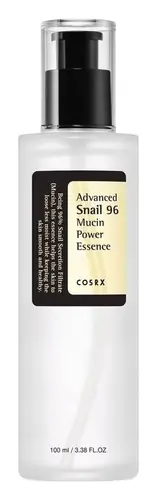
Lawless Conseal The Deal Lightweight Concealer Versus Westman Atelier Vital Skincare Brightening Concealer With Hyaluronic Acid

What's inside
What's inside
 Key Ingredients
Benefits
Concerns
Ingredients Side-by-side
Isododecane
EmollientWater
Skin ConditioningC9-12 Alkane
SolventGlycerin
Humectant


Dicaprylyl Ether
Emollient
Polyglyceryl-6 Polyricinoleate
Emulsifying

Propanediol
Solvent
Boron Nitride
Absorbent
Zinc Stearate
Cosmetic ColorantDisteardimonium Hectorite
Stabilising1,2-Hexanediol
Skin Conditioning
Polyglyceryl-2 Isostearate
Emulsifying
Caffeine
Skin Conditioning

Magnesium Sulfate
Silica
Abrasive

Hydrogenated Lecithin
Emulsifying
Coco-Caprylate/Caprate
Emollient
Caprylhydroxamic Acid
ChelatingPotassium Sorbate
Preservative
Bisabolol
Antioxidant

Cetyl Alcohol
Emollient
Tropaeolum Majus Flower/Leaf/Stem Extract
Skin ConditioningHelianthus Annuus Seed Oil
Emollient
Lecithin
Emollient
Propylene Carbonate
SolventLycium Barbarum Seed Oil
Skin Conditioning
Tocopherol
Antioxidant


Stearic Acid
Cleansing
Caprylyl Glycol
Emollient
Ascorbyl Palmitate
Antioxidant
Citric Acid
Buffering
Zingiber Officinale Root Extract
Masking
CI 77891
Cosmetic ColorantCI 77492
Cosmetic ColorantCI 77491
Cosmetic ColorantCI 77499
Cosmetic ColorantIsododecane, Water, C9-12 Alkane, Glycerin, Dicaprylyl Ether, Polyglyceryl-6 Polyricinoleate, Propanediol, Boron Nitride, Zinc Stearate, Disteardimonium Hectorite, 1,2-Hexanediol, Polyglyceryl-2 Isostearate, Caffeine, Magnesium Sulfate, Silica, Hydrogenated Lecithin, Coco-Caprylate/Caprate, Caprylhydroxamic Acid, Potassium Sorbate, Bisabolol, Cetyl Alcohol, Tropaeolum Majus Flower/Leaf/Stem Extract, Helianthus Annuus Seed Oil, Lecithin, Propylene Carbonate, Lycium Barbarum Seed Oil, Tocopherol, Stearic Acid, Caprylyl Glycol, Ascorbyl Palmitate, Citric Acid, Zingiber Officinale Root Extract, CI 77891, CI 77492, CI 77491, CI 77499
Water
Skin ConditioningC9-12 Alkane
SolventOctyldodecyl Neopentanoate
EmollientGlycerin
Humectant
Diisostearoyl Polyglyceryl-3 Dimer Dilinoleate
Emollient
Sodium Potassium Aluminum Silicate
Disteardimonium Hectorite
StabilisingCaprylic/Capric Triglyceride
Masking
Tribehenin
Emollient
Helianthus Annuus Seed Oil
Emollient
Glycyrrhiza Glabra Root Extract
Bleaching
Gentiana Lutea Root Extract
Skin ConditioningCoffea Arabica Seed Extract
Masking
Palmitoyl Pentapeptide-4
Skin Conditioning

Hydrolyzed Sodium Hyaluronate
Skin Conditioning
Coco-Caprylate/Caprate
Emollient
Disodium Stearoyl Glutamate
CleansingSodium Chloride
MaskingCaprylyl Glycol
Emollient
Propylene Carbonate
SolventPotassium Sorbate
Preservative
Silica
Abrasive
Propanediol
Solvent
Aluminum Hydroxide
EmollientCitric Acid
Buffering
CI 77891
Cosmetic ColorantWater, C9-12 Alkane, Octyldodecyl Neopentanoate, Glycerin, Diisostearoyl Polyglyceryl-3 Dimer Dilinoleate, Sodium Potassium Aluminum Silicate, Disteardimonium Hectorite, Caprylic/Capric Triglyceride, Tribehenin, Helianthus Annuus Seed Oil, Glycyrrhiza Glabra Root Extract, Gentiana Lutea Root Extract, Coffea Arabica Seed Extract, Palmitoyl Pentapeptide-4, Hydrolyzed Sodium Hyaluronate, Coco-Caprylate/Caprate, Disodium Stearoyl Glutamate, Sodium Chloride, Caprylyl Glycol, Propylene Carbonate, Potassium Sorbate, Silica, Propanediol, Aluminum Hydroxide, Citric Acid, CI 77891
Reviews
Ingredients Explained
These ingredients are found in both products.
Ingredients higher up in an ingredient list are typically present in a larger amount.
C9-12 Alkane is synethically created using alkanes, or paraffins. It is added to products as a solvent. This means its main purpose is to help dissolve ingredients and create even texture.
Caprylyl Glycol is a humectant, skin conditioner, emollient, and preservative booster derived from either caprylic acid or synthetically created.
Typical use levels vary from 0.3-1% as a preservative booster and go up to 2% to condition skin.
Because it is not a free-fatty acid, this ingredient is fungal acne safe (there's nothing for Malassezia to feed on).
Learn more about Caprylyl GlycolCi 77891 is a white pigment from Titanium dioxide. It is naturally found in minerals such as rutile and ilmenite.
It's main function is to add a white color to cosmetics. It can also be mixed with other colors to create different shades.
Ci 77891 is commonly found in sunscreens due to its ability to block UV rays.
Learn more about CI 77891Citric Acid is an alpha hydroxy acid (AHA) naturally found in citrus fruits like oranges, lemons, and limes.
Like other AHAs, citric acid can exfoliate skin by breaking down the bonds that hold dead skin cells together. This helps reveal smoother and brighter skin underneath.
However, this exfoliating effect only happens at high concentrations (20%) which can be hard to find in cosmetic products.
Due to this, citric acid is usually included in small amounts as a pH adjuster. This helps keep products slightly more acidic and compatible with skin's natural pH.
In skincare formulas, citric acid can:
While it can provide some skin benefits, research shows lactic acid and glycolic acid are generally more effective and less irritating exfoliants.
Most citric acid used in skincare today is made by fermenting sugars (usually from molasses). This synthetic version is identical to the natural citrus form but easier to stabilize and use in formulations.
Rosacea skin has a lower threshold for acids generally, with 62.5% of rosacea subjects in one study reacting to lactic acid in a sting test. This is why we mark citric acid as a potential rosacea trigger.
However, this ingredient shows up as a pH adjuster or chelator at roughly 0.1-1% in many products. These low levels are unlikely to be an issue for rosacea skin and becomes a potential trigger at exfoliating concentrations (20%). Because everybody's skin is unique, we recommend a patch test if you are unsure.
Learn more about Citric AcidCoco-Caprylate/Caprate is a lightweight ester created from coconut oil fatty acids, caprylic acid, and capric acid.
It is an emollient that helps soften skin and reduce transepidermal water loss (TEWL). What sets it apart from heavier emollients is its ultralight, non-greasy feel.
Once applied, this ingredient dries down quickly and leaves a dry, silky finish behind. This also helps improve spreadability and texture.
This ingredient has an excellent safety-record and is non-irritating.
Typical concentrations for cosmetics range from 0.5-62%.
Research on Malassezia growth found no growth on fatty acid esters with chain lengths shorter than 12 carbons (it prefers C11-24).
Since Coco-Caprylate/Caprate is built on C8 and C10 fatty acids, it is out of the range that Malassezia metabolizes, and therefore safe for fungal acne.
Learn more about Coco-Caprylate/CaprateDisteardimonium Hectorite comes from the clay mineral named hectorite. It is used to add thickness to a product.
It can also help stabilize a product by helping to disperse other ingredients.
Hectorite is a rare, white clay mineral.
Learn more about Disteardimonium HectoriteGlycerin (or glycerol) is a compound naturally found in your skin. It's a powerhouse humectant that pulls water into the stratum corneum.
Topically, glycerin does several things at once:
Your skin makes glycerin on its own (mostly from sebaceous oil breakdown) and shuttles it to your outermost layer of skin, or your epidermis, via aquaporin-3.
Aquaporin-3 is a transporter that is essential for normal skin hydration, elasticity, and repair. Interestingly, mice lacking in AQP3 have dry and less elastic skin that can be fully corrected with glycerin.
This ingredient is non-irritating, plays well with almost every ingredient, and works across all skin types. Typical use is anywhere between 3-10% but can go up to 79% in some leave-on products.
Just know very high concentrations (>40%) can feel tacky in low humidity.
Glycerin is the name for this ingredient in American English. British English uses Glycerol/Glycerine.
Learn more about GlycerinHelianthus Annuus Seed Oil is a plant oil derived from the seeds of a sunflower.
It is rich in fatty acids, primarily linoleic acid and oleic acid. This gives it emollient and skin conditioning properties.
The reason this ingredient is so effective is because it forms a thin film on the skin that reduces transepidermal water loss (TEWL) while supplying linoleic acid to the stratum corneum to improve barrier strength.
The high linoleic acid content is particularly noteworthy for acne-prone skin.
Research suggests that acne-prone skin tends to be deficient in linoleic acid in sebum. Topical application may help replenish this to support a healthier follicular environment and less comedone-promoting sebum.
One randomized study found sunflower seed oil preserved skin barrier integrity in adult volunteers with and without atopic dermatitis (outperforming olive oil).
This ingredient is well-studied, gentle, and an effective emollient suitable for most skin types.
On fungal acne: This ingredient may not be Fungal acne (Malassezia folliculitis) safe. This is because it contains fatty acids with carbon chain lengths in the C11-C24 range.
Learn more about Helianthus Annuus Seed OilPotassium Sorbate is a preservative used to prevent yeast and mold in products. It is commonly found in both cosmetic and food products.
This ingredient comes from potassium salt derived from sorbic acid. Sorbic acid is a natural antibiotic and effective against fungus.
Both potassium sorbate and sorbic acid can be found in baked goods, cheeses, dried meats, dried fruit, ice cream, pickles, wine, yogurt, and more.
You'll often find this ingredient used with other preservatives.
Learn more about Potassium SorbatePropanediol is an all-star ingredient. It softens, hydrates, and smooths the skin.
It’s often used to:
Propanediol is not likely to cause sensitivity and considered safe to use. It is derived from corn or petroleum with a clear color and no scent.
Learn more about PropanediolThis ingredient is a solvent. It helps dissolve active ingredients and alter the texture of products.
Propylene Carbonate is commonly used in makeup and with clay, such as montmorillonite or bentonite.
Studies show this ingredient to be safe for cosmetics. When it is undiluted, it can cause skin irritation. (It is always diluted in skincare and makeup). This ingredient is water-soluble.
Propylene Carbonate is created from propylene glycol and carbonic acid.
Learn more about Propylene CarbonateSilica, also known as silicon dioxide, is a naturally occurring mineral. It is used as a fine, spherical, and porous powder in cosmetics.
Though it has exfoliant properties, the function of silica varies depending on the product.
The unique structure of silica enhances the spreadability and adds smoothness, making it a great texture enhancer.
It is also used as an active carrier, emulsifier, and mattifier due to its ability to absorb excess oil.
In some products, tiny microneedles called spicules are made from silica or hydrolyzed sponge. When you rub them in, they lightly polish away dead skin layers and enhance the penetration of active ingredients.
Learn more about SilicaWater. It's the most common cosmetic ingredient of all. You'll usually see it at the top of ingredient lists, meaning that it makes up the largest part of the product.
So why is it so popular? Water most often acts as a solvent - this means that it helps dissolve other ingredients into the formulation.
You'll also recognize water as that liquid we all need to stay alive. If you see this, drink a glass of water. Remember to stay hydrated!
Learn more about Water