Lancôme Teint Idôle Ultra Wear Skin Transforming Powder Bronzer Versus Physician's Formula Bronze Booster Glow Activated Pressed Bronzer


What's inside
What's inside
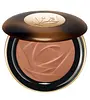 Key Ingredients
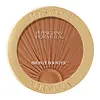
Benefits
Concerns
Ingredients Side-by-side
Talc
Abrasive
CI 77491
Cosmetic ColorantCI 77499
Cosmetic ColorantZinc Stearate
Cosmetic ColorantZea Mays Starch
Absorbent
CI 77492
Cosmetic ColorantCaprylic/Capric Triglyceride
Masking


Dimethicone/Vinyl Dimethicone Crosspolymer
Skin Conditioning
Dimethicone
Emollient
Silica
Abrasive
Punica Granatum Pericarp Extract
Skin ConditioningMoringa Oleifera Seed Oil
Emollient





Alaria Esculenta Extract
Skin Protecting
Triethoxycaprylylsilane
Ascorbyl Tetraisopalmitate
Antioxidant


Caprylyl Glycol
Emollient
Ethylhexylglycerin
Skin ConditioningTocopherol
Antioxidant



Potassium Sorbate
Preservative
Mica
Cosmetic ColorantCI 15850
Cosmetic ColorantCI 77891
Cosmetic ColorantCI 19140
Cosmetic ColorantParfum
Masking


Linalool
Perfuming
Limonene
Perfuming
Talc, CI 77491, CI 77499, Zinc Stearate, Zea Mays Starch, CI 77492, Caprylic/Capric Triglyceride, Dimethicone/Vinyl Dimethicone Crosspolymer, Dimethicone, Silica, Punica Granatum Pericarp Extract, Moringa Oleifera Seed Oil, Alaria Esculenta Extract, Triethoxycaprylylsilane, Ascorbyl Tetraisopalmitate, Caprylyl Glycol, Ethylhexylglycerin, Tocopherol, Potassium Sorbate, Mica, CI 15850, CI 77891, CI 19140, Parfum, Linalool, Limonene
Mica
Cosmetic ColorantZinc Stearate
Cosmetic ColorantSilica
Abrasive
Dimethicone
Emollient
Zea Mays Starch
Absorbent
Magnesium Myristate
Octyldodecyl Stearoyl Stearate
Emollient
Parfum
Masking
Phenoxyethanol
Preservative
Triethoxycaprylylsilane
Trimethylsiloxysilicate
Emollient
Caprylyl Glycol
Emollient
Ethylhexylglycerin
Skin ConditioningHexylene Glycol
EmulsifyingAstrocaryum Murumuru Seed Butter
Emollient
O-Cymen-5-Ol
Antimicrobial
Water
Skin Conditioning3-O-Ethyl Ascorbic Acid
Skin Conditioning
Niacinamide
Smoothing

Panthenol
Skin Conditioning
Tin Oxide
Abrasive
Tocopherol
Antioxidant
Tocopheryl Acetate
Antioxidant
Simmondsia Chinensis Seed Oil
Emollient
Propanediol
Solvent
Glycerin
Humectant
Phospholipids
Skin Conditioning
Sodium Hyaluronate
Humectant
Sodium Lauroyl Sarcosinate
CleansingXanthan Gum
EmulsifyingSodium Laurate
CleansingLinalyl Acetate
Masking
Coumarin
Perfuming
Geranyl Acetate
Perfuming
Tetramethyl Acetyloctahydronaphthalenes
Masking
Limonene
Perfuming
Vanillin
Masking
Benzyl Benzoate
Antimicrobial
CI 77163
Cosmetic Colorant
CI 77491
Cosmetic ColorantCI 77492
Cosmetic ColorantCI 77499
Cosmetic ColorantCI 77891
Cosmetic ColorantMica, Zinc Stearate, Silica, Dimethicone, Zea Mays Starch, Magnesium Myristate, Octyldodecyl Stearoyl Stearate, Parfum, Phenoxyethanol, Triethoxycaprylylsilane, Trimethylsiloxysilicate, Caprylyl Glycol, Ethylhexylglycerin, Hexylene Glycol, Astrocaryum Murumuru Seed Butter, O-Cymen-5-Ol, Water, 3-O-Ethyl Ascorbic Acid, Niacinamide, Panthenol, Tin Oxide, Tocopherol, Tocopheryl Acetate, Simmondsia Chinensis Seed Oil, Propanediol, Glycerin, Phospholipids, Sodium Hyaluronate, Sodium Lauroyl Sarcosinate, Xanthan Gum, Sodium Laurate, Linalyl Acetate, Coumarin, Geranyl Acetate, Tetramethyl Acetyloctahydronaphthalenes, Limonene, Vanillin, Benzyl Benzoate, CI 77163, CI 77491, CI 77492, CI 77499, CI 77891
Ingredients Explained
These ingredients are found in both products.
Ingredients higher up in an ingredient list are typically present in a larger amount.
Caprylyl Glycol is a humectant, skin conditioner, emollient, and preservative booster derived from either caprylic acid or synthetically created.
Typical use levels vary from 0.3-1% as a preservative booster and go up to 2% to condition skin.
Because it is not a free-fatty acid, this ingredient is fungal acne safe (there's nothing for Malassezia to feed on).
Learn more about Caprylyl GlycolCi 77491 is also hydrated iron III oxide. It's sole purpose is to give a red/pink hue to products.
Iron III oxides are classified as inorganic chemicals for coloring.
Synthetically created Ci 77491 is considered safer than those naturally found. This is because the synthetically created version may contain less impurities. Iron oxides are generally non-toxic and non-allergenic.
Learn more about CI 77491CI 77492 is also hydrated iron III oxide. It's sole purpose is to give a yellow hue to products.
Iron III oxides are classified as inorganic chemicals for coloring.
Synthetically created CI 77492 is considered safer than those naturally found. This is because the synthetically created version may contain less impurities. Iron oxides are generally non-toxic and non-allergenic.
Learn more about CI 77492Ci 77499 is also hydrated iron III oxide. It is created from mixing red and black iron oxides. This helps give shades of darkness to a product.
Iron III oxides are classified as inorganic chemicals for coloring.
Ci 77891 is a white pigment from Titanium dioxide. It is naturally found in minerals such as rutile and ilmenite.
It's main function is to add a white color to cosmetics. It can also be mixed with other colors to create different shades.
Ci 77891 is commonly found in sunscreens due to its ability to block UV rays.
Learn more about CI 77891Dimethicone is a type of synthetic silicone created from natural materials such as quartz. It is also known as polydimethylsiloxane.
What it does:
Dimethicone comes in different viscosities:
Depending on the viscosity, dimethicone has different properties.
Ingredients lists don't always show which type is used, so we recommend reaching out to the brand if you have questions about the viscosity.
This ingredient is unlikely to cause irritation because it does not get absorbed into skin. However, people with silicone allergies should be careful about using this ingredient.
Note: Dimethicone may contribute to pilling. This is because it is not oil or water soluble, so pilling may occur when layered with products. When mixed with heavy oils in a formula, the outcome is also quite greasy.
Learn more about DimethiconeEthylhexylglycerin is created from glycerin. It is a multitasker ingredient that:
The CIR Expert Panel found minimal skin absorption or sensitization of any kind in a safety assessment. Though this ingredient is considered well-tolerated, a small number of cases of allergic dermatitis have been published since 2002. Just be sure to patch test if you are unsure.
Industry-reported use ranges from 8% in rinse-off products and 2% in leave-on formulations.
Learn more about EthylhexylglycerinLimonene is the compound that gives citrus peel its smell.
In skincare, it shows up as a standalone fragrance ingredient or as a natural compound of citrus and other essential oils.
You'll typically see this ingredient used in very small amounts; anything above 0.001% in a leave-on product or 0.01% in a rinse-off has to be named on the label in the EU. The citrus oils that carry it sit around 0.5-1% in a finished formula.
Fresh limonene is a weak allergen; the real issue is that it slowly reacts with air and then breaks down from oxidation to create hydroperoxides (which are strong sensitizers). This is why suppliers are required to keep the peroxide value below 20 mmol.
Positive reactions in people being investigated for eczema vary:
It's worth skipping if you have a known fragrance allergy or a compromised barrier, but the risk is low for most people.
Older or long-opened products are also more likely to bother you than fresh ones due to oxidation.
Learn more about LimoneneMica is a naturally occurring mineral used to add shimmer and color in cosmetics. It can also help improve the texture of a product or give it an opaque, white/silver color.
Serecite is the name for very fine but ragged grains of mica.
This ingredient is often coated with metal oxides like titanium dioxide. Trace amounts of heavy metals may be found in mica, but these metals are not harmful in our personal products.
Mica has been used since prehistoric times throughout the world. Ancient Egyptian, Indian, Greek, Roman, Aztec, and Chinese civilizations have used mica.
Learn more about MicaParfum is a catch-all term for an ingredient or more that is used to give a scent to products.
Also called "fragrance", this ingredient can be a blend of hundreds of chemicals or plant oils. This means every product with "fragrance" or "parfum" in the ingredients list is a different mixture.
For instance, Habanolide is a proprietary trade name for a specific aroma chemical. When used as a fragrance ingredient in cosmetics, most aroma chemicals fall under the broad labeling category of “FRAGRANCE” or “PARFUM” according to EU and US regulations.
The term 'parfum' or 'fragrance' is not regulated in many countries. In many cases, it is up to the brand to define this term.
For instance, many brands choose to label themselves as "fragrance-free" because they are not using synthetic fragrances. However, their products may still contain ingredients such as essential oils that are considered a fragrance by INCI standards.
One example is Calendula flower extract. Calendula is an essential oil that still imparts a scent or 'fragrance'.
Depending on the blend, the ingredients in the mixture can cause allergies and sensitivities on the skin. Some ingredients that are known EU allergens include linalool and citronellol.
Parfum can also be used to mask or cover an unpleasant scent.
The bottom line is: not all fragrances/parfum/ingredients are created equally. If you are worried about fragrances, we recommend taking a closer look at an ingredient. And of course, we always recommend speaking with a professional.
Learn more about ParfumSilica, also known as silicon dioxide, is a naturally occurring mineral. It is used as a fine, spherical, and porous powder in cosmetics.
Though it has exfoliant properties, the function of silica varies depending on the product.
The unique structure of silica enhances the spreadability and adds smoothness, making it a great texture enhancer.
It is also used as an active carrier, emulsifier, and mattifier due to its ability to absorb excess oil.
In some products, tiny microneedles called spicules are made from silica or hydrolyzed sponge. When you rub them in, they lightly polish away dead skin layers and enhance the penetration of active ingredients.
Learn more about SilicaTocopherol is a fat-soluble antioxidant known as Vitamin E.
You'll find this ingredient in the vast majority of skincare (for good reason). It works to neutralize free radicals, or unstable molecules generated by UV exposure, pollution, and other environmental stressors, before they can cause oxidative damage to your skin cells.
Topically applied tocopherol has been shown to protect against UV damage by ramping up the skin's own natural defense enzymes.
It also acts as a skin conditioning agent; some studies show that regular topical use can improve the skin's water-binding capacity over 2-4 weeks.
This ingredient is especially loved for being a team player. When combined with Vitamin C, the photoprotective effect of both ingredients roughly doubles and the combo also helps reduce UV-induced DNA damage.
This ingredient has some brightening potential but it's more of a prevention ingredient than spot-fader. Cell studies show it can slow down melanin production but it's worth noting that it's not the most powerful brightener out there.
In formulations, it also serves as a stabilizer that helps protect other oxidation-prone ingredients from degrading.
Concentrations usually range from 0.1-1% in most leave-on products.
Learn more about TocopherolTriethoxycaprylylsilane is a silicon-based surface modifier that makes sunscreens feel silky and makeup stay put.
Its main job is to coat mineral particles like titanium dioxide, zinc oxide, and color pigments in a thin, oily layer so they spread smoothly, don't clump, and stick to skin better.
This ingredient is typically used at low levels (up to 2.5% in eyeshadow and 1% in lipstick).
Learn more about TriethoxycaprylylsilaneZea Mays Starch is starch made from corn. You might know this as cornstarch . It is used to thicken a product. It can replace talc as an absorbent.
The pH of cornstarch is 5.92.
Cornstarch is a common food ingredient used to thicken soups or to make corn syrup.
Learn more about Zea Mays StarchZinc Stearate is the metal salt of stearic acid. It is a white solid used to bind, thicken, and lubricate products.
This ingredient is common in powder makeup, where it helps keep the powder together.
Zinc Stearate is hydrophobic and repels water.
This ingredient can be sourced from non-animal or animal sources. It is best to reach out to the brand to see where they source this ingredient from.
Learn more about Zinc Stearate

