Lancôme Advanced Génifique Youth Activating Concentrate Versus Lancôme Clarifique Refining & Brightening Dual Essence
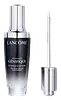
This anti-aging serum is formulated around Bifida Ferment Lysate and Ascorbyl Glucoside to soften the look of wrinkles and strengthen the skin barrier.
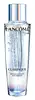
This smoothing essence is formulated around Glycolic Acid and Ascorbyl Glucoside to refine skin texture and brighten dull-looking skin.

What's inside
What's inside
 Key Ingredients
Benefits
Concerns
Ingredients Side-by-side
Water
Skin ConditioningBifida Ferment Lysate
Skin Conditioning



Glycerin
Humectant
Alcohol Denat.
Antimicrobial




Dimethicone
Emollient
Hydroxyethylpiperazine Ethane Sulfonic Acid
BufferingAscorbyl Glucoside
Antioxidant



Sodium Hyaluronate
Humectant
Sodium Hydroxide
BufferingSodium Benzoate
Masking
Phenoxyethanol
Preservative
Adenosine
Skin Conditioning
Yeast Extract
Skin ConditioningPEG-20 Methyl Glucose Sesquistearate
Emulsifying
PEG-60 Hydrogenated Castor Oil
Emulsifying
Salicyloyl Phytosphingosine
Skin ConditioningAmmonium Polyacryloyldimethyl Taurate
Emulsion StabilisingLimonene
Perfuming

Xanthan Gum
EmulsifyingCaprylyl Glycol
Emollient
Disodium EDTA
Octyldodecanol
Emollient
Citronellol
Perfuming
Parfum
Masking
Water, Bifida Ferment Lysate, Glycerin, Alcohol Denat., Dimethicone, Hydroxyethylpiperazine Ethane Sulfonic Acid, Ascorbyl Glucoside, Sodium Hyaluronate, Sodium Hydroxide, Sodium Benzoate, Phenoxyethanol, Adenosine, Yeast Extract, PEG-20 Methyl Glucose Sesquistearate, PEG-60 Hydrogenated Castor Oil, Salicyloyl Phytosphingosine, Ammonium Polyacryloyldimethyl Taurate, Limonene, Xanthan Gum, Caprylyl Glycol, Disodium EDTA, Octyldodecanol, Citronellol, Parfum
Water
Skin ConditioningAlcohol
Antimicrobial
Glycolic Acid
Buffering






Butylene Glycol
Humectant
Isononyl Isononanoate
EmollientDipropylene Glycol
HumectantSodium Hydroxide
BufferingAnanas Sativus Fruit Extract
Skin ConditioningAscorbyl Glucoside
Antioxidant
Tocopherol
Antioxidant
Faex Extract
Skin ConditioningFagus Sylvatica Bud Extract
TonicArginine
Masking
PEG-32
HumectantTrisodium Ethylenediamine Disuccinate
ChelatingHelianthus Annuus Seed Oil
Emollient
Salicylic Acid
Masking
Pentylene Glycol
Skin Conditioning
Benzoic Acid
Masking
Propanediol
Solvent
Caprylyl Glycol
Emollient
Papain
Skin Conditioning
Sorbic Acid
Preservative
Rosa Damascena Flower Water
Masking
Rosa Damascena Flower Oil
Masking
Rosmarinus Officinalis Extract
AntimicrobialRose Extract
Skin ConditioningVitis Vinifera Seed Oil
Emollient
Citric Acid
Buffering
Water, Alcohol, Glycolic Acid, Butylene Glycol, Isononyl Isononanoate, Dipropylene Glycol, Sodium Hydroxide, Ananas Sativus Fruit Extract, Ascorbyl Glucoside, Tocopherol, Faex Extract, Fagus Sylvatica Bud Extract, Arginine, PEG-32, Trisodium Ethylenediamine Disuccinate, Helianthus Annuus Seed Oil, Salicylic Acid, Pentylene Glycol, Benzoic Acid, Propanediol, Caprylyl Glycol, Papain, Sorbic Acid, Rosa Damascena Flower Water, Rosa Damascena Flower Oil, Rosmarinus Officinalis Extract, Rose Extract, Vitis Vinifera Seed Oil, Citric Acid
Reviews
Ingredients Explained
These ingredients are found in both products.
Ingredients higher up in an ingredient list are typically present in a larger amount.
Ascorbyl Glucoside (AA-2G) is one of the most stable vitamin C derivatives out there.
It's made by attaching a glucose molecule to ascorbic acid; this glucose "cap" shields the vitamin C from air, light, heat, and metal ions that normally cause pure ascorbic acid to oxidize.
Once on your skin, the enzyme alpha-glucosidase snips off the glucose and gradually releases active ascorbic acid right where it's needed. Basically, it behaves like a slow-release pro-vitamin C with less of a stinging that high-strength ascorbic acid can cause.
The research supports the classic vitamin C benefits as well. In lab and human studies, AA-2G slowed down the skin's production of melanin (the pigment behind dark spots) and helped shield skin cells against sun damage better than ascorbyl phosphate.
These studies also showed AA-2G released vitamin C over a longer period.
A frequently cited manufacturer trial found that a 2% AA-2G face cream significantly improved wrinkle depth and skin roughness after 45 days.
And in 2009, a clinical trial showed it meaningfully lightened dark patches on the gums compared to a placebo.
There's also collagen-synthesis support (since vitamin C is a required cofactor for that) and an antioxidant effect too.
Typical usage is usually between 0.5-5% and most studies/products land around 2%.
AA-2G performs best when formulated at a mildly acidic pH (~5-7) which is much gentler than the pH that pure vitamin C demands (~2.5-3.5).
Just one thing worth knowing: the in-skin conversation rate is only about 55-60% by weight. So a 5% AA-2G product delivers roughly 2.75-3% of actual active vitamin C. On top of that, skin absorption is relatively low because the ingredient is water-soluble.
Learn more about Ascorbyl GlucosideCaprylyl Glycol is a humectant, skin conditioner, emollient, and preservative booster derived from either caprylic acid or synthetically created.
Typical use levels vary from 0.3-1% as a preservative booster and go up to 2% to condition skin.
Because it is not a free-fatty acid, this ingredient is fungal acne safe (there's nothing for Malassezia to feed on).
Learn more about Caprylyl GlycolSodium Hydroxide is also known as lye or caustic soda. It is used to adjust the pH of products; many ingredients require a specific pH to be effective.
In small amounts, sodium hydroxide is considered safe to use. However, large amounts may cause chemical burns due to its high alkaline.
Your skin has a natural pH and acid mantle. This acid mantle helps prevent harmful bacteria from breaking through. The acid mantle also helps keep your skin hydrated.
"Alkaline" refers to a high pH level. A low pH level would be considered acidic.
Learn more about Sodium HydroxideWater. It's the most common cosmetic ingredient of all. You'll usually see it at the top of ingredient lists, meaning that it makes up the largest part of the product.
So why is it so popular? Water most often acts as a solvent - this means that it helps dissolve other ingredients into the formulation.
You'll also recognize water as that liquid we all need to stay alive. If you see this, drink a glass of water. Remember to stay hydrated!
Learn more about Water

