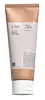
This barrier-repair moisturizer is formulated around Caprylic/Capric Triglyceride and Niacinamide to strengthen the skin barrier and calm redness.
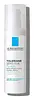
This calming moisturizer is formulated around Centella Asiatica Leaf Water and Colloidal Sulfur to calm redness and strengthen the skin barrier.


What's inside
What's inside
 Key Ingredients
Benefits
Concerns
No concerns
Ingredients Side-by-side







Centella Asiatica Leaf Water
Skin Conditioning


Butylene Glycol
Humectant
Glycerin
Humectant
Water
Skin ConditioningPropanediol
Solvent
1,2-Hexanediol
Skin Conditioning
Methyl Trimethicone
Skin Conditioning
Cetyl Ethylhexanoate
EmollientHydroxyethyl Acrylate/Sodium Acryloyldimethyl Taurate Copolymer
Emulsion StabilisingAmmonium Acryloyldimethyltaurate/Vp Copolymer
Sorbitol
Humectant
Microcrystalline Cellulose
AbsorbentSodium Acrylate/Sodium Acryloyldimethyl Taurate Copolymer
Emulsion StabilisingPolyisobutene
Pentylene Glycol
Skin Conditioning
Ethylhexylglycerin
Skin ConditioningXanthan Gum
EmulsifyingSorbitan Isostearate
Emulsifying

Decyl Glucoside
Cleansing
Polyglyceryl-10 Laurate
Skin Conditioning
Cellulose Gum
Emulsion StabilisingCitrus Unshiu Peel Extract
MaskingDisodium EDTA
ChelatingArtemisia Annua Extract
Masking
Brassica Oleracea Italica Extract
AstringentHyaluronic Acid
Humectant

Hydrolyzed Hyaluronic Acid
Humectant
Pyrus Malus Fruit Extract
Skin Conditioning
Sodium Hyaluronate
Humectant
Caprylyl/Capryl Glucoside
CleansingSorbitan Oleate
Emulsifying

Castanea Crenata Shell Extract
Skin ConditioningColloidal Sulfur
Antimicrobial


Diospyros Kaki Leaf Extract
Skin Protecting
Citrus Aurantium Bergamia Fruit Oil
Masking


Rosmarinus Officinalis Leaf Oil
Masking
Fomes Officinalis Extract
Skin ProtectingCananga Odorata Flower Oil
Masking
Lotus Corniculatus Flower Extract
MaskingBackhousia Citriodora Leaf Extract
AstringentMelaleuca Alternifolia Leaf Extract
Perfuming
Centella Asiatica Extract
Cleansing
Hesperidin
EmollientPortulaca Oleracea Extract
Skin Conditioning
Succinic Acid
BufferingMadecassoside
Antioxidant
Asiatic Acid
Skin Conditioning
Asiaticoside
Antioxidant
Madecassic Acid
Skin Conditioning
Centella Asiatica Leaf Water, Butylene Glycol, Glycerin, Water, Propanediol, 1,2-Hexanediol, Methyl Trimethicone, Cetyl Ethylhexanoate, Hydroxyethyl Acrylate/Sodium Acryloyldimethyl Taurate Copolymer, Ammonium Acryloyldimethyltaurate/Vp Copolymer, Sorbitol, Microcrystalline Cellulose, Sodium Acrylate/Sodium Acryloyldimethyl Taurate Copolymer, Polyisobutene, Pentylene Glycol, Ethylhexylglycerin, Xanthan Gum, Sorbitan Isostearate, Decyl Glucoside, Polyglyceryl-10 Laurate, Cellulose Gum, Citrus Unshiu Peel Extract, Disodium EDTA, Artemisia Annua Extract, Brassica Oleracea Italica Extract, Hyaluronic Acid, Hydrolyzed Hyaluronic Acid, Pyrus Malus Fruit Extract, Sodium Hyaluronate, Caprylyl/Capryl Glucoside, Sorbitan Oleate, Castanea Crenata Shell Extract, Colloidal Sulfur, Diospyros Kaki Leaf Extract, Citrus Aurantium Bergamia Fruit Oil, Rosmarinus Officinalis Leaf Oil, Fomes Officinalis Extract, Cananga Odorata Flower Oil, Lotus Corniculatus Flower Extract, Backhousia Citriodora Leaf Extract, Melaleuca Alternifolia Leaf Extract, Centella Asiatica Extract, Hesperidin, Portulaca Oleracea Extract, Succinic Acid, Madecassoside, Asiatic Acid, Asiaticoside, Madecassic Acid
Reviews
Ingredients Explained
These ingredients are found in both products.
Ingredients higher up in an ingredient list are typically present in a larger amount.
Glycerin (or glycerol) is a compound naturally found in your skin. It's a powerhouse humectant that pulls water into the stratum corneum.
Topically, glycerin does several things at once:
Your skin makes glycerin on its own (mostly from sebaceous oil breakdown) and shuttles it to your outermost layer of skin, or your epidermis, via aquaporin-3.
Aquaporin-3 is a transporter that is essential for normal skin hydration, elasticity, and repair. Interestingly, mice lacking in AQP3 have dry and less elastic skin that can be fully corrected with glycerin.
This ingredient is non-irritating, plays well with almost every ingredient, and works across all skin types. Typical use is anywhere between 3-10% but can go up to 79% in some leave-on products.
Just know very high concentrations (>40%) can feel tacky in low humidity.
Glycerin is the name for this ingredient in American English. British English uses Glycerol/Glycerine.
Learn more about GlycerinPentylene Glycol (1,2-pentanediol) is a multitasking little diol with three main roles in a formula:
Research on alkanediols (the family pentylene glycol belongs to) show they work by disrupting microbial cell membranes. This disruption helps the primary preservative system in a product work more effectively at lower doses.
On the safety side, the Cosmetic Ingredient Review Expert Panel has concluded this ingredient to be safe as used in current cosmetic practices + concentrations.
Typical use levels in a formula run about 1-5%.
Learn more about Pentylene GlycolPropanediol is an all-star ingredient. It softens, hydrates, and smooths the skin.
It’s often used to:
Propanediol is not likely to cause sensitivity and considered safe to use. It is derived from corn or petroleum with a clear color and no scent.
Learn more about PropanediolWater. It's the most common cosmetic ingredient of all. You'll usually see it at the top of ingredient lists, meaning that it makes up the largest part of the product.
So why is it so popular? Water most often acts as a solvent - this means that it helps dissolve other ingredients into the formulation.
You'll also recognize water as that liquid we all need to stay alive. If you see this, drink a glass of water. Remember to stay hydrated!
Learn more about WaterXanthan gum is used as a stabilizer and thickener within cosmetic products. It helps give products a sticky, thick feeling - preventing them from being too runny.
On the technical side of things, xanthan gum is a polysaccharide - a combination consisting of multiple sugar molecules bonded together.
Xanthan gum is a pretty common and great ingredient. It is a natural, non-toxic, non-irritating ingredient that is also commonly used in food products.
Learn more about Xanthan Gum

