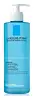
This mild foaming cleanser is made to cleanse while respecting your skin barrier.


What's inside
What's inside
 Key Ingredients
Benefits
Concerns
Ingredients Side-by-side
Water
Skin ConditioningGlycerin
Humectant


Coco-Betaine
Cleansing
Propanediol
Solvent
PEG-120 Methyl Glucose Dioleate
Emulsifying

Sodium Hydroxide
BufferingSodium Chloride
MaskingCitric Acid
Buffering

Disodium EDTA
Hydroxyacetophenone
Antioxidant
Capryloyl Glycine
CleansingCaprylyl Glycol
Emollient
Disodium Cocoyl Glutamate
Cleansing
Ceramide NP
Skin Conditioning



Niacinamide
Smoothing





Trisodium Ethylenediamine Disuccinate
Pentylene Glycol
Skin Conditioning
Acrylates Copolymer
Tocopherol
Antioxidant
Water, Glycerin, Coco-Betaine, Propanediol, PEG-120 Methyl Glucose Dioleate, Sodium Hydroxide, Sodium Chloride, Citric Acid, Disodium EDTA, Hydroxyacetophenone, Capryloyl Glycine, Caprylyl Glycol, Disodium Cocoyl Glutamate, Ceramide NP, Niacinamide, Trisodium Ethylenediamine Disuccinate, Pentylene Glycol, Acrylates Copolymer, Tocopherol
Water
Skin ConditioningGlycerin
Humectant
Sodium Cocoyl Isethionate
Cleansing
Erythritol
Humectant
Methyl Perfluoroisobutyl Ether
SolventCoconut Acid
Cleansing
Methyl Perfluorobutyl Ether
Solvent1,2-Hexanediol
Skin Conditioning
Coco-Betaine
Cleansing
Butylene Glycol
Humectant
Sapindus Trifoliatus Fruit Extract
Skin ConditioningSodium Isethionate
CleansingPropanediol
Solvent
Potassium Benzoate
Preservative
Sodium Chloride
MaskingSuccinoglycan
Skin ConditioningPapain
Skin Conditioning
Acrylates/C10-30 Alkyl Acrylate Crosspolymer
Emulsion StabilisingCaprylyl Glycol
Emollient
Glucose
Humectant
Glyceryl Caprate
EmollientEthylhexylglycerin
Skin ConditioningSodium Hyaluronate
Humectant
Disodium EDTA
Simmondsia Chinensis Seed Oil
Emollient
Limnanthes Alba Seed Oil
Skin Conditioning
Polyglutamic Acid
Skin Conditioning
Hydrolyzed Hyaluronic Acid
Humectant
Citrus Aurantium Amara Flower Oil
Masking
Sodium Hyaluronate Crosspolymer
Humectant
Potassium Hyaluronate
Skin ConditioningHydroxypropyltrimonium Hyaluronate
Hydrolyzed Sodium Hyaluronate
Skin Conditioning
Hyaluronic Acid
Humectant
Sparassis Crispa Extract
Emulsion StabilisingLespedeza Capitata Leaf/Stem Extract
Skin ConditioningCamellia Japonica Flower Extract
EmollientPolycaprolactone
StabilisingBromelain
Skin Conditioning
Sea Water
HumectantArtemisia Capillaris Extract
Propolis Extract
Skin Conditioning
Sodium Acetylated Hyaluronate
Humectant
Phenethyl Alcohol
MaskingLaminaria Digitata Extract
Skin Protecting
Olea Europaea Fruit Extract
BleachingChlorella Vulgaris Extract
Skin ConditioningSaccharide Isomerate
Humectant
Water, Glycerin, Sodium Cocoyl Isethionate, Erythritol, Methyl Perfluoroisobutyl Ether, Coconut Acid, Methyl Perfluorobutyl Ether, 1,2-Hexanediol, Coco-Betaine, Butylene Glycol, Sapindus Trifoliatus Fruit Extract, Sodium Isethionate, Propanediol, Potassium Benzoate, Sodium Chloride, Succinoglycan, Papain, Acrylates/C10-30 Alkyl Acrylate Crosspolymer, Caprylyl Glycol, Glucose, Glyceryl Caprate, Ethylhexylglycerin, Sodium Hyaluronate, Disodium EDTA, Simmondsia Chinensis Seed Oil, Limnanthes Alba Seed Oil, Polyglutamic Acid, Hydrolyzed Hyaluronic Acid, Citrus Aurantium Amara Flower Oil, Sodium Hyaluronate Crosspolymer, Potassium Hyaluronate, Hydroxypropyltrimonium Hyaluronate, Hydrolyzed Sodium Hyaluronate, Hyaluronic Acid, Sparassis Crispa Extract, Lespedeza Capitata Leaf/Stem Extract, Camellia Japonica Flower Extract, Polycaprolactone, Bromelain, Sea Water, Artemisia Capillaris Extract, Propolis Extract, Sodium Acetylated Hyaluronate, Phenethyl Alcohol, Laminaria Digitata Extract, Olea Europaea Fruit Extract, Chlorella Vulgaris Extract, Saccharide Isomerate
Reviews
Ingredients Explained
These ingredients are found in both products.
Ingredients higher up in an ingredient list are typically present in a larger amount.
Caprylyl Glycol is a humectant, skin conditioner, emollient, and preservative booster derived from either caprylic acid or synthetically created.
Typical use levels vary from 0.3-1% as a preservative booster and go up to 2% to condition skin.
Because it is not a free-fatty acid, this ingredient is fungal acne safe (there's nothing for Malassezia to feed on).
Learn more about Caprylyl GlycolCoco-Betaine is the natural version of Cocamidopropyl Betaine. It is often derived from coconuts.
Coco-Betaine is a surfactant, meaning it helps remove dirt and oil from the skin.
Disodium EDTA is a chelating agent. It grabs onto and deactivates metal ions that sneak into your products from water, packaging, or air.
This ingredient mainly works behind the scenes and helps with:
On top of that, this ingredient can counteract the effects of hard water by binding to the minerals in it.
One thing worth knowing is that Disodium EDTA has been shown to be a mild penetration enhancer. It can help other ingredients absorb into skin more effectively which can be a double-edged sword (great for actives, but can also make the active too strong if you have sensitive skin).
Clinical patch testing showed no significant skin irritation at typical use concentrations and minimal dermal absorption.
You'll most likely see this ingredient near the end of an ingredient list. It's typically found in concentrations less than 1%.
Learn more about Disodium EDTAGlycerin (or glycerol) is a compound naturally found in your skin. It's a powerhouse humectant that pulls water into the stratum corneum.
Topically, glycerin does several things at once:
Your skin makes glycerin on its own (mostly from sebaceous oil breakdown) and shuttles it to your outermost layer of skin, or your epidermis, via aquaporin-3.
Aquaporin-3 is a transporter that is essential for normal skin hydration, elasticity, and repair. Interestingly, mice lacking in AQP3 have dry and less elastic skin that can be fully corrected with glycerin.
This ingredient is non-irritating, plays well with almost every ingredient, and works across all skin types. Typical use is anywhere between 3-10% but can go up to 79% in some leave-on products.
Just know very high concentrations (>40%) can feel tacky in low humidity.
Glycerin is the name for this ingredient in American English. British English uses Glycerol/Glycerine.
Learn more about GlycerinPropanediol is an all-star ingredient. It softens, hydrates, and smooths the skin.
It’s often used to:
Propanediol is not likely to cause sensitivity and considered safe to use. It is derived from corn or petroleum with a clear color and no scent.
Learn more about PropanediolChances are, you eat sodium chloride every day. Sodium Chloride is also known as table salt. This ingredient has many purposes in skincare: thickener, emulsifier, and exfoliator.
You'll most likely find this ingredient in cleansers where it is used to create a gel-like texture. As an emulsifier, it also prevents ingredients from separating.
You might see people debate whether Sodium Chloride is comedogenic, but there actually haven't been any comedogenic tests done on it. Either way, the overall formulation of a product matters a lot more than any single ingredient.
You might see this ingredient used in scrubs as a primary exfoliating ingredient.
Learn more about Sodium ChlorideWater. It's the most common cosmetic ingredient of all. You'll usually see it at the top of ingredient lists, meaning that it makes up the largest part of the product.
So why is it so popular? Water most often acts as a solvent - this means that it helps dissolve other ingredients into the formulation.
You'll also recognize water as that liquid we all need to stay alive. If you see this, drink a glass of water. Remember to stay hydrated!
Learn more about Water

