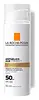
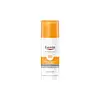
La Roche-Posay SPF 50 Anthelios Age Correct Versus Eucerin Photoaging Control Face Sun Fluid SPF 50+


What's inside
What's inside
 Key Ingredients
Benefits
Concerns
Ingredients Side-by-side
Water
Skin ConditioningC12-15 Alkyl Benzoate
AntimicrobialGlycerin
Humectant


Octocrylene
UV Absorber



Niacinamide
Smoothing









Butyl Methoxydibenzoylmethane
UV Absorber
Dimethicone
Emollient
Ethylhexyl Triazone
UV Absorber
Silica
Abrasive
Aluminum Starch Octenylsuccinate
Absorbent
Vinyl Dimethicone/Methicone Silsesquioxane Crosspolymer
Terephthalylidene Dicamphor Sulfonic Acid
UV Absorber
Potassium Cetyl Phosphate
EmulsifyingDrometrizole Trisiloxane
UV Absorber
PEG-100 Stearate

Stearyl Alcohol
Emollient
Glyceryl Stearate
Emollient
Ammonium Polyacryloyldimethyl Taurate
Emulsion StabilisingBenzyl Alcohol
Perfuming



Benzyl Benzoate
Antimicrobial
Capryloyl Salicylic Acid
Exfoliating
Caprylyl Glycol
Emollient
Hydrolyzed Hyaluronic Acid
Humectant
Phenoxyethanol
Preservative
Phenylethyl Resorcinol
Antioxidant
Poloxamer 338
EmulsifyingTocopherol
Antioxidant
Triethanolamine
BufferingTrisodium Ethylenediamine Disuccinate
Xanthan Gum
EmulsifyingParfum
Masking

Water, C12-15 Alkyl Benzoate, Glycerin, Octocrylene, Niacinamide, Butyl Methoxydibenzoylmethane, Dimethicone, Ethylhexyl Triazone, Silica, Aluminum Starch Octenylsuccinate, Vinyl Dimethicone/Methicone Silsesquioxane Crosspolymer, Terephthalylidene Dicamphor Sulfonic Acid, Potassium Cetyl Phosphate, Drometrizole Trisiloxane, PEG-100 Stearate, Stearyl Alcohol, Glyceryl Stearate, Ammonium Polyacryloyldimethyl Taurate, Benzyl Alcohol, Benzyl Benzoate, Capryloyl Salicylic Acid, Caprylyl Glycol, Hydrolyzed Hyaluronic Acid, Phenoxyethanol, Phenylethyl Resorcinol, Poloxamer 338, Tocopherol, Triethanolamine, Trisodium Ethylenediamine Disuccinate, Xanthan Gum, Parfum
Water
Skin ConditioningC12-15 Alkyl Benzoate
AntimicrobialAlcohol Denat.
Antimicrobial
Butyl Methoxydibenzoylmethane
UV Absorber
Bis-Ethylhexyloxyphenol Methoxyphenyl Triazine
Skin Conditioning
Butylene Glycol Dicaprylate/Dicaprate
EmollientEthylhexyl Triazone
UV Absorber
Dibutyl Adipate
EmollientDistarch Phosphate
AbsorbentTapioca Starch
Diethylamino Hydroxybenzoyl Hexyl Benzoate
UV Filter
Glyceryl Stearate Citrate
Emollient
Phenylbenzimidazole Sulfonic Acid
UV Absorber
Behenyl Alcohol
Emollient
Cetearyl Alcohol
Emollient


Sodium Hyaluronate
Humectant
Glycyrrhetinic Acid
Skin Conditioning
Glycyrrhiza Inflata Root Extract
Skin Conditioning
Copernicia Cerifera Cera
Emollient
Carrageenan
Xanthan Gum
EmulsifyingHydroxypropyl Methylcellulose
Emulsion StabilisingSilica
Abrasive
Trisodium Ethylenediamine Disuccinate
Sodium Hydroxide
BufferingHydroxyacetophenone
Antioxidant
Ethylhexylglycerin
Skin ConditioningBenzyl Alcohol
Perfuming
Water, C12-15 Alkyl Benzoate, Alcohol Denat., Butyl Methoxydibenzoylmethane, Bis-Ethylhexyloxyphenol Methoxyphenyl Triazine, Butylene Glycol Dicaprylate/Dicaprate, Ethylhexyl Triazone, Dibutyl Adipate, Distarch Phosphate, Tapioca Starch, Diethylamino Hydroxybenzoyl Hexyl Benzoate, Glyceryl Stearate Citrate, Phenylbenzimidazole Sulfonic Acid, Behenyl Alcohol, Cetearyl Alcohol, Sodium Hyaluronate, Glycyrrhetinic Acid, Glycyrrhiza Inflata Root Extract, Copernicia Cerifera Cera, Carrageenan, Xanthan Gum, Hydroxypropyl Methylcellulose, Silica, Trisodium Ethylenediamine Disuccinate, Sodium Hydroxide, Hydroxyacetophenone, Ethylhexylglycerin, Benzyl Alcohol
Reviews
Ingredients Explained
These ingredients are found in both products.
Ingredients higher up in an ingredient list are typically present in a larger amount.
Benzyl Alcohol is most commonly used as a preservative. It also has a subtle, sweet smell. Small amounts of Benzyl Alcohol is not irritating and safe to use in skincare products. Most Benzyl Alcohol is derived from fruits such as apricots.
Benzyl Alcohol has both antibacterial and antioxidant properties. These properties help lengthen the shelf life of products. Benzyl Alcohol is a solvent and helps dissolve other ingredients. It can also improve the texture and spreadability.
Alcohol comes in many different forms. Different types of alcohol will have different effects on skin. This ingredient is an astringent alcohol.
Using high concentrations of these alcohols are drying on the skin. They may strip away your skin's natural oils and even damage your skin barrier. Astringent alcohols may also irritate skin.
Other types of astringent alcohols include:
According to the National Rosacea Society based in the US, you should be mindful of products with these alcohols in the top half of ingredients.
Any type of sanitizing product will have high amounts of alcohol to help kill bacteria and viruses.
Learn more about Benzyl AlcoholAlso known as Avobenzone, this ingredient is a chemical sunscreen filter that provides protection in the UV-A range.
Avobenzone is globally approved and is the most commonly used UV-A filter in the world.
Studies have found that avobenzone becomes ineffective when exposed to UV light (it is not photostable; meaning that it breaks down in sunlight). Because of this, formulations that include avobenzone will usually contain stabilizers such as octocrylene.
However, some modern formulations (looking at you, EU!) are able to stabilize avobenzone by coating the molecules.
Avobenzone does not protect against the UV-B range, so it's important to check that the sunscreen you're using contains other UV filters that do!
The highest concentration of avobenzone permitted is 3% in the US, and 5% in the EU.
Learn more about Butyl MethoxydibenzoylmethaneC12-15 Alkyl Benzoate is made up of Benzoic Acid and long chain alcohols. It has a low molecular weight.
C12-15 Alkyl Benzoate is an emollient and texture enhancer. Due to its solubility, it is often used in sunscreens to help evenly distribute active ingredients.
As an emollient, C12-15 Alkyl Benzoate helps soften and hydrate your skin. Emollients create a film on your skin that traps moisture within.
This ingredient has been reported to cause eye irritation.
Learn more about C12-15 Alkyl BenzoateEthylhexyl Triazone is a modern chemical sunscreen that protects from UV-B radiation.
It is the most effective of existing UV-B filters, as it provides the highest level of photo-stable absorption. It protects from the entire UV-B range (280 to 320nm), with it's highest level of protection at 314nm.
Ethylhexyl Triazone is oil soluble, oderless and colorless, which mean it is able to be incorporated into a variety of different formulations.
It is not currently available within the United States due to slow changing FDA regulations. Outside of the US, it is used in formulations at concentrations up to 5%.
Learn more about Ethylhexyl TriazoneSilica, also known as silicon dioxide, is a naturally occurring mineral. It is used as a fine, spherical, and porous powder in cosmetics.
Though it has exfoliant properties, the function of silica varies depending on the product.
The unique structure of silica enhances the spreadability and adds smoothness, making it a great texture enhancer.
It is also used as an active carrier, emulsifier, and mattifier due to its ability to absorb excess oil.
In some products, tiny microneedles called spicules are made from silica or hydrolyzed sponge. When you rub them in, they lightly polish away dead skin layers and enhance the penetration of active ingredients.
Learn more about SilicaTrisodium Ethylenediamine Disuccinate is used to help stabilize a product.
It is a chelating agent, meaning it helps prevent metal ions from binding to other ingredients. This prevents unwanted reactions in products. Metal ions can come into a product via the water ingredient. They are found in trace amounts and are not known to be harmful.
Water. It's the most common cosmetic ingredient of all. You'll usually see it at the top of ingredient lists, meaning that it makes up the largest part of the product.
So why is it so popular? Water most often acts as a solvent - this means that it helps dissolve other ingredients into the formulation.
You'll also recognize water as that liquid we all need to stay alive. If you see this, drink a glass of water. Remember to stay hydrated!
Learn more about WaterXanthan gum is used as a stabilizer and thickener within cosmetic products. It helps give products a sticky, thick feeling - preventing them from being too runny.
On the technical side of things, xanthan gum is a polysaccharide - a combination consisting of multiple sugar molecules bonded together.
Xanthan gum is a pretty common and great ingredient. It is a natural, non-toxic, non-irritating ingredient that is also commonly used in food products.
Learn more about Xanthan Gum
