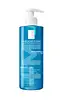
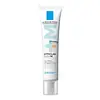
La Roche-Posay +M Effaclar Purifying Foaming Gel Versus La Roche-Posay Effaclar Duo+M Unifiant Tinted Care

What's inside
What's inside
 Key Ingredients
Benefits
Concerns
Ingredients Side-by-side
Water
Skin ConditioningSodium Laureth Sulfate
Cleansing

PEG-8
HumectantCoco-Betaine
Cleansing
Hexylene Glycol
EmulsifyingSodium Chloride
MaskingPunica Granatum Pericarp Extract
Skin ConditioningZinc PCA
Humectant






PEG-120 Methyl Glucose Dioleate
Emulsifying
Sodium Citrate
BufferingSodium Hydroxide
BufferingCaprylyl Glycol
Emollient
Citric Acid
Buffering


Trisodium Ethylenediamine Disuccinate
Maltodextrin
Absorbent
Pentylene Glycol
Skin Conditioning
Tocopherol
Antioxidant



Sodium Benzoate
Masking
Phenoxyethanol
Preservative
Parfum
Masking


Water, Sodium Laureth Sulfate, PEG-8, Coco-Betaine, Hexylene Glycol, Sodium Chloride, Punica Granatum Pericarp Extract, Zinc PCA, PEG-120 Methyl Glucose Dioleate, Sodium Citrate, Sodium Hydroxide, Caprylyl Glycol, Citric Acid, Trisodium Ethylenediamine Disuccinate, Maltodextrin, Pentylene Glycol, Tocopherol, Sodium Benzoate, Phenoxyethanol, Parfum
Water
Skin ConditioningGlycerin
Humectant
Isocetyl Stearate
Emollient

Isopropyl Isostearate
Emollient
Niacinamide
Smoothing


Isopropyl Lauroyl Sarcosinate
Skin ConditioningAmmonium Polyacryloyldimethyl Taurate
Emulsion StabilisingOryza Sativa Starch
AbsorbentGlyceryl Stearate Se
Emulsifying
Sodium Hydroxide
BufferingTrisodium Ethylenediamine Disuccinate
Salicylic Acid
Masking
Silica Silylate
Emollient
Poloxamer 338
EmulsifyingMaltodextrin
Absorbent
Polysorbate 80
Emulsifying
Mannose
HumectantPentylene Glycol
Skin Conditioning
Zinc PCA
Humectant
Punica Granatum Pericarp Extract
Skin ConditioningIsohexadecane
Emollient2-Oleamido-1,3-Octadecanediol
Skin ConditioningCapryloyl Salicylic Acid
Exfoliating
Caprylyl Glycol
Emollient
Piroctone Olamine
Preservative
Myristyl Myristate
Emollient
Acrylamide/Sodium Acryloyldimethyltaurate Copolymer
Emulsion StabilisingParfum
Masking
Sorbitan Oleate
Emulsifying
Potassium Cetyl Phosphate
EmulsifyingVitreoscilla Ferment
Skin Conditioning
Citric Acid
Buffering
CI 77891
Cosmetic ColorantCI 77491
Cosmetic ColorantCI 77492
Cosmetic ColorantCI 77499
Cosmetic ColorantMica
Cosmetic ColorantWater, Glycerin, Isocetyl Stearate, Isopropyl Isostearate, Niacinamide, Isopropyl Lauroyl Sarcosinate, Ammonium Polyacryloyldimethyl Taurate, Oryza Sativa Starch, Glyceryl Stearate Se, Sodium Hydroxide, Trisodium Ethylenediamine Disuccinate, Salicylic Acid, Silica Silylate, Poloxamer 338, Maltodextrin, Polysorbate 80, Mannose, Pentylene Glycol, Zinc PCA, Punica Granatum Pericarp Extract, Isohexadecane, 2-Oleamido-1,3-Octadecanediol, Capryloyl Salicylic Acid, Caprylyl Glycol, Piroctone Olamine, Myristyl Myristate, Acrylamide/Sodium Acryloyldimethyltaurate Copolymer, Parfum, Sorbitan Oleate, Potassium Cetyl Phosphate, Vitreoscilla Ferment, Citric Acid, CI 77891, CI 77491, CI 77492, CI 77499, Mica
Reviews
Alternatives
Ingredients Explained
These ingredients are found in both products.
Ingredients higher up in an ingredient list are typically present in a larger amount.
Caprylyl Glycol is a humectant, skin conditioner, emollient, and preservative booster derived from either caprylic acid or synthetically created.
Typical use levels vary from 0.3-1% as a preservative booster and go up to 2% to condition skin.
Because it is not a free-fatty acid, this ingredient is fungal acne safe (there's nothing for Malassezia to feed on).
Learn more about Caprylyl GlycolCitric Acid is an alpha hydroxy acid (AHA) naturally found in citrus fruits like oranges, lemons, and limes.
Like other AHAs, citric acid can exfoliate skin by breaking down the bonds that hold dead skin cells together. This helps reveal smoother and brighter skin underneath.
However, this exfoliating effect only happens at high concentrations (20%) which can be hard to find in cosmetic products.
Due to this, citric acid is usually included in small amounts as a pH adjuster. This helps keep products slightly more acidic and compatible with skin's natural pH.
In skincare formulas, citric acid can:
While it can provide some skin benefits, research shows lactic acid and glycolic acid are generally more effective and less irritating exfoliants.
Most citric acid used in skincare today is made by fermenting sugars (usually from molasses). This synthetic version is identical to the natural citrus form but easier to stabilize and use in formulations.
Read more about some other popular AHA's here:
Learn more about Citric AcidMaltodextrin is a polysaccharide. It is derived from starch such as rice, corn, wheat, or potato starch.
In food, Maltodextrin is used to improve the texture and thicken a product. Due to its structure, it can help create a gel texture. As an emulsion stabilizer, it helps keep the ingredients in a product together.
As a polysaccharide, Maltodextrin has moisturizing properties. Polysaccharides are a type of carbohydrate. The top layer of skin uses polysaccharides to retain water, keeping the skin hydrated.
Maltodextrin is water soluble and has a sweet taste.
Learn more about MaltodextrinParfum is a catch-all term for an ingredient or more that is used to give a scent to products.
Also called "fragrance", this ingredient can be a blend of hundreds of chemicals or plant oils. This means every product with "fragrance" or "parfum" in the ingredients list is a different mixture.
For instance, Habanolide is a proprietary trade name for a specific aroma chemical. When used as a fragrance ingredient in cosmetics, most aroma chemicals fall under the broad labeling category of “FRAGRANCE” or “PARFUM” according to EU and US regulations.
The term 'parfum' or 'fragrance' is not regulated in many countries. In many cases, it is up to the brand to define this term.
For instance, many brands choose to label themselves as "fragrance-free" because they are not using synthetic fragrances. However, their products may still contain ingredients such as essential oils that are considered a fragrance by INCI standards.
One example is Calendula flower extract. Calendula is an essential oil that still imparts a scent or 'fragrance'.
Depending on the blend, the ingredients in the mixture can cause allergies and sensitivities on the skin. Some ingredients that are known EU allergens include linalool and citronellol.
Parfum can also be used to mask or cover an unpleasant scent.
The bottom line is: not all fragrances/parfum/ingredients are created equally. If you are worried about fragrances, we recommend taking a closer look at an ingredient. And of course, we always recommend speaking with a professional.
Learn more about ParfumPentylene glycol is typically used within a product to thicken it. It also adds a smooth, soft, and moisturizing feel to the product. It is naturally found in plants such as sugar beets.
The hydrophilic trait of Pentylene Glycol makes it a humectant. As a humectant, Pentylene Glycol helps draw moisture from the air to your skin. This can help keep your skin hydrated.
This property also makes Pentylene Glycol a great texture enhancer. It can also help thicken or stabilize a product.
Pentylene Glycol also acts as a mild preservative and helps to keep a product microbe-free.
Some people may experience mild eye and skin irritation from Pentylene Glycol. We always recommend speaking with a professional about using this ingredient in your routine.
Pentylene Glycol has a low molecular weight and is part of the 1,2-glycol family.
Learn more about Pentylene GlycolWe don't have a description for Punica Granatum Pericarp Extract yet.
Sodium Hydroxide is also known as lye or caustic soda. It is used to adjust the pH of products; many ingredients require a specific pH to be effective.
In small amounts, sodium hydroxide is considered safe to use. However, large amounts may cause chemical burns due to its high alkaline.
Your skin has a natural pH and acid mantle. This acid mantle helps prevent harmful bacteria from breaking through. The acid mantle also helps keep your skin hydrated.
"Alkaline" refers to a high pH level. A low pH level would be considered acidic.
Learn more about Sodium HydroxideTrisodium Ethylenediamine Disuccinate is used to help stabilize a product.
It is a chelating agent, meaning it helps prevent metal ions from binding to other ingredients. This prevents unwanted reactions in products. Metal ions can come into a product via the water ingredient. They are found in trace amounts and are not known to be harmful.
Water. It's the most common cosmetic ingredient of all. You'll usually see it at the top of ingredient lists, meaning that it makes up the largest part of the product.
So why is it so popular? Water most often acts as a solvent - this means that it helps dissolve other ingredients into the formulation.
You'll also recognize water as that liquid we all need to stay alive. If you see this, drink a glass of water. Remember to stay hydrated!
Learn more about WaterZinc PCA (or "zinc salt") differs slightly from zinc itself. PCA stands for pyrrolidone carboxylic acid. However, Zinc PCA comes from zinc.
It can help reduce redness, regulate sebum, and promote the general healing process of the skin.
Zinc PCA tends to be especially useful for those with oily, acne-prone skin. It's certainly an ingredient worth trying out!
Learn more about Zinc PCA
