

What's inside
What's inside
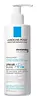 Key Ingredients
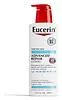
Benefits
Concerns
Ingredients Side-by-side
Water
Skin ConditioningButyrospermum Parkii Butter
Skin Conditioning




Glycerin
Humectant
Dimethicone
Emollient
Niacinamide
Smoothing









Cetearyl Alcohol
Emollient

Brassica Campestris Seed Oil
Skin Conditioning
Glyceryl Stearate
Emollient
Ammonium Polyacryloyldimethyl Taurate
Emulsion StabilisingPEG-100 Stearate
Propanediol
Solvent
Ophiopogon Japonicus Root Extract
Skin ConditioningPEG-20 Methyl Glucose Sesquistearate
Emulsifying
Sorbitan Tristearate
EmulsifyingDimethiconol
Emollient
Sodium Chloride
MaskingMannose
HumectantCoco-Betaine
Cleansing
Disodium EDTA
Capryloyl Glycine
CleansingCaprylyl Glycol
Emollient
Vitreoscilla Ferment
Skin Conditioning
Citric Acid
Buffering

Maltodextrin
Absorbent
Xanthan Gum
EmulsifyingTocopherol
Antioxidant

Pentaerythrityl Tetra-Di-T-Butyl Hydroxyhydrocinnamate
Antioxidant
Water, Butyrospermum Parkii Butter, Glycerin, Dimethicone, Niacinamide, Cetearyl Alcohol, Brassica Campestris Seed Oil, Glyceryl Stearate, Ammonium Polyacryloyldimethyl Taurate, PEG-100 Stearate, Propanediol, Ophiopogon Japonicus Root Extract, PEG-20 Methyl Glucose Sesquistearate, Sorbitan Tristearate, Dimethiconol, Sodium Chloride, Mannose, Coco-Betaine, Disodium EDTA, Capryloyl Glycine, Caprylyl Glycol, Vitreoscilla Ferment, Citric Acid, Maltodextrin, Xanthan Gum, Tocopherol, Pentaerythrityl Tetra-Di-T-Butyl Hydroxyhydrocinnamate
Glycerin
Humectant
Urea
Buffering
Cetearyl Alcohol
Emollient
Glyceryl Glucoside
Humectant
Cyclomethicone
Emollient
Sodium Lactate
Buffering
Butyrospermum Parkii Butter
Skin Conditioning
Caprylic/Capric Triglyceride
Masking
Methylpropanediol
SolventOctyldodecanol
Emollient
Dicaprylyl Ether
Emollient
Tapioca Starch
Glyceryl Stearate Se
Emulsifying
Hydrogenated Coco-Glycerides
Emollient
Arginine Hcl
Skin ConditioningSodium PCA
Humectant
Dimethiconol
Emollient
Lactic Acid
Buffering
Carnitine
Cleansing
Ceramide NP
Skin Conditioning
Mannitol
Humectant
Serine
Masking
Sucrose
Humectant
Citrulline
Skin ConditioningGlycogen
HumectantAlanine
Masking
Threonine
Glutamic Acid
Humectant
Sodium Chloride
MaskingSodium Cetearyl Sulfate
Cleansing
1,2-Hexanediol
Skin Conditioning
Glycerin, Urea, Cetearyl Alcohol, Glyceryl Glucoside, Cyclomethicone, Sodium Lactate, Butyrospermum Parkii Butter, Caprylic/Capric Triglyceride, Methylpropanediol, Octyldodecanol, Dicaprylyl Ether, Tapioca Starch, Glyceryl Stearate Se, Hydrogenated Coco-Glycerides, Arginine Hcl, Sodium PCA, Dimethiconol, Lactic Acid, Carnitine, Ceramide NP, Mannitol, Serine, Sucrose, Citrulline, Glycogen, Alanine, Threonine, Glutamic Acid, Sodium Chloride, Sodium Cetearyl Sulfate, 1,2-Hexanediol
Reviews
Ingredients Explained
These ingredients are found in both products.
Ingredients higher up in an ingredient list are typically present in a larger amount.
This ingredient is also known as shea butter. It is a plant-derived extract from the nuts of the Africa shea tree and one of the most well-studied emollients.
Because it has a high concentration of fatty acids (primarily oleic, stearic, and linoleic) it is able to form a protective barrier on the skin's surface. This helps seal in moisture and prevents transepidermal water loss (TEWL).
In vitro research found an increase in skin hydration by 58% and a decrease in TEWL by 37.8% after 24 hours of applying this ingredient (pretty impressive for a single ingredient!).
Besides hydration, shea butter also contains triterpenes that have anti-inflammatory potential. In particule, lupeol cinnamate has shown the highest anti-inflammatory activity in vivo.
Shea butter also contains vitamins A and E which may contribute to antioxidant activity.
While Shea Butter has an SPF rating of about 3-4, it is not a sunscreen replacement.
This ingredient may not be fungal acne safe because its fatty acids fall within the C11-C24 range that the Malassezia yeast can metabolize.
Learn more about Butyrospermum Parkii ButterCetearyl alcohol is a waxy mixture of two fatty alcohols: cetyl alcohol and stearyl alcohol. It is an emollient and emulsifier.
Despite having "alcohol" in its name, it has nothing to do with drying solvent alcohols; the FDA also allows "alcohol-free" products to contain fatty alcohols like this ingredient.
It plays several roles in a formula:
Typical use levels for this ingredient sit around 1-10% and the Cosmetic Ingredient Review Expert Panel has affirmed safety at concentrations up to 25% in leave-on products.
Multiple assessments have found it to be non-irritating and non-sensitizing to most people.
However, there have been some cases of allergic contact dermatitis in patients with chronically compromised skin barriers.
Cetearyl alcohol has a comedogenic rating of 2 and irritancy rating of 1. Both of these numbers come from the 1989 study that used rabbit ears; a "2" means mildly comedogenic and a "1" means low irritancy.
Here's the catch: rabbit skin is more sensitive than human skin and throws a lot of false positives. A 1996 reappraisal found that ingredients rated 1-2 in the rabbit ear tests are generally safe for humans.
Remember comedogenic ratings are unable to assess the entire formula of a product or how it will react on your skin. Just be sure to patch test if you are unsure about certain ingredients.
This ingredient is not fungal acne safe. Cetearyl alcohol is a fatty alcohol with chain lengths that fall within the range that Malassezia can metabolize.
Learn more about Cetearyl AlcoholDimethiconol is a silicone that resembles the popular dimethicone. Like other silicones, it is an emollient. Emollients create a thin film on skin to prevent moisture from escaping.
This ingredient helps to create a silky texture and improve spreadability. Due to its high molecular weight and thickness, it is often combined with cyclopentasiloxane.
Glycerin (or glycerol) is a compound naturally found in your skin. It's a powerhouse humectant that pulls water into the stratum corneum.
Topically, glycerin does several things at once:
Your skin makes glycerin on its own (mostly from sebaceous oil breakdown) and shuttles it to your outermost layer of skin, or your epidermis, via aquaporin-3.
Aquaporin-3 is a transporter that is essential for normal skin hydration, elasticity, and repair. Interestingly, mice lacking in AQP3 have dry and less elastic skin that can be fully corrected with glycerin.
This ingredient is non-irritating, plays well with almost every ingredient, and works across all skin types. Typical use is anywhere between 3-10% but can go up to 79% in some leave-on products.
Just know very high concentrations (>40%) can feel tacky in low humidity.
Glycerin is the name for this ingredient in American English. British English uses Glycerol/Glycerine.
Learn more about GlycerinChances are, you eat sodium chloride every day. Sodium Chloride is also known as table salt. This ingredient has many purposes in skincare: thickener, emulsifier, and exfoliator.
You'll most likely find this ingredient in cleansers where it is used to create a gel-like texture. As an emulsifier, it also prevents ingredients from separating.
You might see people debate whether Sodium Chloride is comedogenic, but there actually haven't been any comedogenic tests done on it. Either way, the overall formulation of a product matters a lot more than any single ingredient.
You might see this ingredient used in scrubs as a primary exfoliating ingredient.
Learn more about Sodium Chloride
