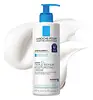
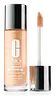
La Roche-Posay Lipikar AP+M Triple Repair Body Moisturizer for Extra Dry Skin Versus Clinique Beyond Perfecting Foundation + Concealer
This barrier-repair moisturizer is formulated around Butyrospermum Parkii Butter and Niacinamide to strengthen the skin barrier and hydrate skin.


What's inside
What's inside
 Key Ingredients
Benefits
Concerns
Ingredients Side-by-side
Water
Skin ConditioningButyrospermum Parkii Butter
Skin Conditioning






Glycerin
Humectant
Dimethicone
Emollient
Niacinamide
Smoothing









Cetearyl Alcohol
Emollient

Brassica Campestris Seed Oil
Skin Conditioning
Glyceryl Stearate
Emollient
Ammonium Polyacryloyldimethyl Taurate
Emulsion StabilisingPEG-100 Stearate
Surfactant
Propanediol
Solvent
Ophiopogon Japonicus Root Extract
Skin ConditioningCeramide NP
Skin Conditioning
Sorbitan Tristearate
EmulsifyingDimethiconol
Emollient
PEG-20 Methyl Glucose Sesquistearate
Emulsifying
Sodium Chloride
MaskingMannose
HumectantCoco-Betaine
Cleansing
Disodium EDTA
ChelatingCapryloyl Glycine
CleansingCaprylyl Glycol
Emollient
Vitreoscilla Ferment
Skin Conditioning
Citric Acid
Buffering
Maltodextrin
Absorbent
Xanthan Gum
EmulsifyingTocopherol
Antioxidant

Pentaerythrityl Tetra-Di-T-Butyl Hydroxyhydrocinnamate
Antioxidant
Water, Butyrospermum Parkii Butter, Glycerin, Dimethicone, Niacinamide, Cetearyl Alcohol, Brassica Campestris Seed Oil, Glyceryl Stearate, Ammonium Polyacryloyldimethyl Taurate, PEG-100 Stearate, Propanediol, Ophiopogon Japonicus Root Extract, Ceramide NP, Sorbitan Tristearate, Dimethiconol, PEG-20 Methyl Glucose Sesquistearate, Sodium Chloride, Mannose, Coco-Betaine, Disodium EDTA, Capryloyl Glycine, Caprylyl Glycol, Vitreoscilla Ferment, Citric Acid, Maltodextrin, Xanthan Gum, Tocopherol, Pentaerythrityl Tetra-Di-T-Butyl Hydroxyhydrocinnamate
Water
Skin ConditioningIsostearyl Neopentanoate
Emollient
Dimethicone
Emollient
Isohexadecane
EmollientTrimethylsiloxysilicate
Emollient
Butylene Glycol
Humectant
Glycerin
Humectant
Lauryl PEG-9 Polydimethylsiloxyethyl Dimethicone
Skin Conditioning
Disteardimonium Hectorite
StabilisingTrehalose
Humectant
PEG-10 Dimethicone
Skin Conditioning
Hdi/Trimethylol Hexyllactone Crosspolymer
Dimethicone/PEG-10/15 Crosspolymer
Triethoxycaprylylsilane
Sodium Hyaluronate
Humectant
Hydrolyzed Soy Protein
Humectant
Tocopheryl Acetate
Antioxidant
Polymethyl Methacrylate
Propylene Carbonate
SolventLecithin
Emollient
Laureth-7
EmulsifyingHydrogenated Lecithin
Emulsifying
Dimethicone Silylate
Xanthan Gum
EmulsifyingDipropylene Glycol
HumectantSodium Chloride
MaskingMagnesium Aluminum Silicate
Absorbent
Silica
Abrasive
Coconut Acid
Cleansing
Disodium EDTA
ChelatingPhenoxyethanol
Preservative
Mica
Cosmetic ColorantCI 77491
Cosmetic ColorantCI 77492
Cosmetic ColorantCI 77499
Cosmetic ColorantCI 77891
Cosmetic ColorantZinc Oxide
Cosmetic Colorant

CI 77163
Cosmetic Colorant
Water, Isostearyl Neopentanoate, Dimethicone, Isohexadecane, Trimethylsiloxysilicate, Butylene Glycol, Glycerin, Lauryl PEG-9 Polydimethylsiloxyethyl Dimethicone, Disteardimonium Hectorite, Trehalose, PEG-10 Dimethicone, Hdi/Trimethylol Hexyllactone Crosspolymer, Dimethicone/PEG-10/15 Crosspolymer, Triethoxycaprylylsilane, Sodium Hyaluronate, Hydrolyzed Soy Protein, Tocopheryl Acetate, Polymethyl Methacrylate, Propylene Carbonate, Lecithin, Laureth-7, Hydrogenated Lecithin, Dimethicone Silylate, Xanthan Gum, Dipropylene Glycol, Sodium Chloride, Magnesium Aluminum Silicate, Silica, Coconut Acid, Disodium EDTA, Phenoxyethanol, Mica, CI 77491, CI 77492, CI 77499, CI 77891, Zinc Oxide, CI 77163
Reviews
Ingredients Explained
These ingredients are found in both products.
Ingredients higher up in an ingredient list are typically present in a larger amount.
Dimethicone is a type of synthetic silicone created from natural materials such as quartz. It is also known as polydimethylsiloxane.
What it does:
Dimethicone comes in different viscosities:
Depending on the viscosity, dimethicone has different properties.
Ingredients lists don't always show which type is used, so we recommend reaching out to the brand if you have questions about the viscosity.
This ingredient is unlikely to cause irritation because it does not get absorbed into skin. However, people with silicone allergies should be careful about using this ingredient.
Note: Dimethicone may contribute to pilling. This is because it is not oil or water soluble, so pilling may occur when layered with products. When mixed with heavy oils in a formula, the outcome is also quite greasy.
Learn more about DimethiconeDisodium EDTA is a chelating agent. It grabs onto and deactivates metal ions that sneak into your products from water, packaging, or air.
This ingredient mainly works behind the scenes and helps with:
On top of that, this ingredient can counteract the effects of hard water by binding to the minerals in it.
One thing worth knowing is that Disodium EDTA has been shown to be a mild penetration enhancer. It can help other ingredients absorb into skin more effectively which can be a double-edged sword (great for actives, but can also make the active too strong if you have sensitive skin).
Clinical patch testing showed no significant skin irritation at typical use concentrations and minimal dermal absorption.
You'll most likely see this ingredient near the end of an ingredient list. It's typically found in concentrations less than 1%.
Learn more about Disodium EDTAGlycerin (or glycerol) is a compound naturally found in your skin. It's a powerhouse humectant that pulls water into the stratum corneum.
Topically, glycerin does several things at once:
Your skin makes glycerin on its own (mostly from sebaceous oil breakdown) and shuttles it to your outermost layer of skin, or your epidermis, via aquaporin-3.
Aquaporin-3 is a transporter that is essential for normal skin hydration, elasticity, and repair. Interestingly, mice lacking in AQP3 have dry and less elastic skin that can be fully corrected with glycerin.
This ingredient is non-irritating, plays well with almost every ingredient, and works across all skin types. Typical use is anywhere between 3-10% but can go up to 79% in some leave-on products.
Just know very high concentrations (>40%) can feel tacky in low humidity.
Glycerin is the name for this ingredient in American English. British English uses Glycerol/Glycerine.
Learn more about GlycerinChances are, you eat sodium chloride every day. Sodium Chloride is also known as table salt. This ingredient has many purposes in skincare: thickener, emulsifier, and exfoliator.
You'll most likely find this ingredient in cleansers where it is used to create a gel-like texture. As an emulsifier, it also prevents ingredients from separating.
You might see people debate whether Sodium Chloride is comedogenic, but there actually haven't been any comedogenic tests done on it. Either way, the overall formulation of a product matters a lot more than any single ingredient.
You might see this ingredient used in scrubs as a primary exfoliating ingredient.
Learn more about Sodium ChlorideWater. It's the most common cosmetic ingredient of all. You'll usually see it at the top of ingredient lists, meaning that it makes up the largest part of the product.
So why is it so popular? Water most often acts as a solvent - this means that it helps dissolve other ingredients into the formulation.
You'll also recognize water as that liquid we all need to stay alive. If you see this, drink a glass of water. Remember to stay hydrated!
Learn more about WaterXanthan gum is used as a stabilizer and thickener within cosmetic products. It helps give products a sticky, thick feeling - preventing them from being too runny.
On the technical side of things, xanthan gum is a polysaccharide - a combination consisting of multiple sugar molecules bonded together.
Xanthan gum is a pretty common and great ingredient. It is a natural, non-toxic, non-irritating ingredient that is also commonly used in food products.
Learn more about Xanthan Gum

