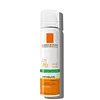
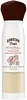
La Roche-Posay Anthelios Anti-Shine Invisible Fresh Mist Spray SPF 50 Versus Hawaiian Tropic Mineral Powder Brush SPF 30
This chemical sunscreen covers the full UV range and blocks ~98% of UVB at SPF 50.
This mineral sunscreen covers the full UV range and blocks ~97% of UVB at SPF 30.


What's inside
What's inside
 Key Ingredients
Benefits
Concerns
Ingredients Side-by-side
Butane
Water
Skin ConditioningIsopropyl Myristate
Emollient





Glycerin
Humectant


Diisopropyl Sebacate
EmollientEthylhexyl Salicylate
UV Absorber

Bis-Ethylhexyloxyphenol Methoxyphenyl Triazine
UV Absorber
Butyl Methoxydibenzoylmethane
UV Absorber
C12-15 Alkyl Benzoate
AntimicrobialDrometrizole Trisiloxane
UV Absorber
Dicaprylyl Carbonate
EmollientStyrene/Acrylates Copolymer
Caprylyl Glycol
Emollient
Carnosine
Skin Conditioning
Diisopropyl Adipate
EmollientDimethicone
Emollient
Disteardimonium Hectorite
StabilisingEthylhexyl Triazone
UV Absorber
Hydroxyacetophenone
Antioxidant
Isododecane
EmollientIsostearyl Alcohol
Emollient
Lauryl PEG/PPG-18/18 Methicone
Skin Conditioning
Methyl Methacrylate Crosspolymer

Nylon-12
P-Anisic Acid
MaskingParfum
Masking

PEG-20
HumectantPEG-30 Dipolyhydroxystearate
Emulsifying
PEG-8 Laurate
Emulsifying
Poly C10-30 Alkyl Acrylate
Emulsion StabilisingPolymethylsilsesquioxane
Propanediol
Solvent
Propylene Carbonate
SolventSilica Silylate
Emollient
Sodium Chloride
MaskingSodium Dodecylbenzenesulfonate
CleansingTocopherol
Antioxidant



Trisodium Ethylenediamine Disuccinate
ChelatingButane, Water, Isopropyl Myristate, Glycerin, Diisopropyl Sebacate, Ethylhexyl Salicylate, Bis-Ethylhexyloxyphenol Methoxyphenyl Triazine, Butyl Methoxydibenzoylmethane, C12-15 Alkyl Benzoate, Drometrizole Trisiloxane, Dicaprylyl Carbonate, Styrene/Acrylates Copolymer, Caprylyl Glycol, Carnosine, Diisopropyl Adipate, Dimethicone, Disteardimonium Hectorite, Ethylhexyl Triazone, Hydroxyacetophenone, Isododecane, Isostearyl Alcohol, Lauryl PEG/PPG-18/18 Methicone, Methyl Methacrylate Crosspolymer, Nylon-12, P-Anisic Acid, Parfum, PEG-20, PEG-30 Dipolyhydroxystearate, PEG-8 Laurate, Poly C10-30 Alkyl Acrylate, Polymethylsilsesquioxane, Propanediol, Propylene Carbonate, Silica Silylate, Sodium Chloride, Sodium Dodecylbenzenesulfonate, Tocopherol, Trisodium Ethylenediamine Disuccinate
Calcium Aluminum Borosilicate
Silica
Abrasive

Zinc Oxide
Cosmetic Colorant
Ethylhexylglycerin
Skin ConditioningSodium Dehydroacetate
Preservative
Parfum
Masking
Maris Sal
Skin ConditioningCeramide NP
Skin Conditioning

Ascorbyl Palmitate
Antioxidant
Caprylic/Capric Triglyceride
Masking
Triethoxycaprylylsilane
Passiflora Incarnata Fruit Extract
Skin ConditioningPlumeria Acutifolia Flower Extract
Skin ConditioningPsidium Guajava Fruit Extract
AstringentMangifera Indica Fruit Extract
Skin ConditioningCarica Papaya Fruit Extract
Skin ConditioningCI 77492
Cosmetic ColorantCI 77499
Cosmetic ColorantCI 77491
Cosmetic ColorantCalcium Aluminum Borosilicate, Silica, Zinc Oxide, Ethylhexylglycerin, Sodium Dehydroacetate, Parfum, Maris Sal, Ceramide NP, Ascorbyl Palmitate, Caprylic/Capric Triglyceride, Triethoxycaprylylsilane, Passiflora Incarnata Fruit Extract, Plumeria Acutifolia Flower Extract, Psidium Guajava Fruit Extract, Mangifera Indica Fruit Extract, Carica Papaya Fruit Extract, CI 77492, CI 77499, CI 77491
Reviews
Ingredients Explained
These ingredients are found in both products.
Ingredients higher up in an ingredient list are typically present in a larger amount.
Parfum is a catch-all term for an ingredient or more that is used to give a scent to products.
Also called "fragrance", this ingredient can be a blend of hundreds of chemicals or plant oils. This means every product with "fragrance" or "parfum" in the ingredients list is a different mixture.
For instance, Habanolide is a proprietary trade name for a specific aroma chemical. When used as a fragrance ingredient in cosmetics, most aroma chemicals fall under the broad labeling category of “FRAGRANCE” or “PARFUM” according to EU and US regulations.
The term 'parfum' or 'fragrance' is not regulated in many countries. In many cases, it is up to the brand to define this term.
For instance, many brands choose to label themselves as "fragrance-free" because they are not using synthetic fragrances. However, their products may still contain ingredients such as essential oils that are considered a fragrance by INCI standards.
One example is Calendula flower extract. Calendula is an essential oil that still imparts a scent or 'fragrance'.
Depending on the blend, the ingredients in the mixture can cause allergies and sensitivities on the skin. Some ingredients that are known EU allergens include linalool and citronellol.
Parfum can also be used to mask or cover an unpleasant scent.
The bottom line is: not all fragrances/parfum/ingredients are created equally. If you are worried about fragrances, we recommend taking a closer look at an ingredient. And of course, we always recommend speaking with a professional.
Learn more about Parfum

