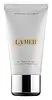
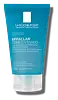
La Mer The Cleansing Foam Versus La Roche-Posay Gel de Limpeza Effaclar Concentrado (Concentrated Cleansing Gel)
This salicylic acid gel cleanser is formulated around Salicylic Acid to clear breakouts and unclog pores.


What's inside
What's inside
 Key Ingredients
Benefits
Concerns
Ingredients Side-by-side
Myristic Acid
Cleansing




Glycerin
Humectant

Behenic Acid
Cleansing
Palmitic Acid
Emollient
Sodium Methyl Cocoyl Taurate
Cleansing
Potassium Hydroxide
BufferingLauric Acid
Cleansing
Stearic Acid
Cleansing
Algae Extract
Emollient
Sesamum Indicum Seed Oil
Emollient
Medicago Sativa Seed Powder
Skin ConditioningHelianthus Annuus Seedcake
Abrasive
Prunus Amygdalus Dulcis Seed Meal
Abrasive
Eucalyptus Globulus Leaf Oil
Perfuming



Sodium Gluconate
ChelatingCopper Gluconate
Skin Conditioning
Calcium Gluconate
HumectantMagnesium Gluconate
Skin ConditioningZinc Gluconate
Skin Conditioning



Tocopheryl Succinate
Antioxidant
Niacin
SmoothingSesamum Indicum Seed Powder
Skin ConditioningQuartz Powder
Abrasive
Nephrite Powder
Abrasive
Pearl Powder
Caffeine
Skin Conditioning

Maris Sal
Skin ConditioningHumic Acids
Skin ConditioningSodium Hyaluronate
Humectant

Sucrose
Humectant
Tourmaline
Macrocystis Pyrifera Protein
Skin ConditioningPolyquaternium-51
Skin Conditioning
Aloe Barbadensis Leaf Water
MaskingTrehalose
Humectant
Cellulose
Absorbent
Butylene Glycol
Humectant
Sodium Coco Pg-Dimonium Chloride Phosphate
CleansingSodium Bicarbonate
Abrasive
Sodium PCA
Humectant
PEG-3 Distearate
Emulsifying
Urea
Buffering

Parfum
Masking
Disodium EDTA
ChelatingLinalool
Perfuming
Limonene
Perfuming
Phenoxyethanol
Preservative
Methylchloroisothiazolinone
Preservative
Methylisothiazolinone
Preservative
CI 19140
Cosmetic ColorantCI 15985
Cosmetic ColorantCI 42090
Cosmetic ColorantCI 61570
Cosmetic ColorantMyristic Acid, Glycerin, Behenic Acid, Palmitic Acid, Sodium Methyl Cocoyl Taurate, Potassium Hydroxide, Lauric Acid, Stearic Acid, Algae Extract, Sesamum Indicum Seed Oil, Medicago Sativa Seed Powder, Helianthus Annuus Seedcake, Prunus Amygdalus Dulcis Seed Meal, Eucalyptus Globulus Leaf Oil, Sodium Gluconate, Copper Gluconate, Calcium Gluconate, Magnesium Gluconate, Zinc Gluconate, Tocopheryl Succinate, Niacin, Sesamum Indicum Seed Powder, Quartz Powder, Nephrite Powder, Pearl Powder, Caffeine, Maris Sal, Humic Acids, Sodium Hyaluronate, Sucrose, Tourmaline, Macrocystis Pyrifera Protein, Polyquaternium-51, Aloe Barbadensis Leaf Water, Trehalose, Cellulose, Butylene Glycol, Sodium Coco Pg-Dimonium Chloride Phosphate, Sodium Bicarbonate, Sodium PCA, PEG-3 Distearate, Urea, Parfum, Disodium EDTA, Linalool, Limonene, Phenoxyethanol, Methylchloroisothiazolinone, Methylisothiazolinone, CI 19140, CI 15985, CI 42090, CI 61570
Water
Skin ConditioningSodium Laureth Sulfate
Cleansing

Decyl Glucoside
Cleansing
Glycerin
Humectant
Sodium Chloride
MaskingCoco-Betaine
Cleansing
Salicylic Acid
Masking

PEG-150 Pentaerythrityl Tetrastearate
Emulsifying
PEG-6 Caprylic/Capric Glycerides
EmulsifyingZinc Gluconate
Skin Conditioning
Sodium Hydroxide
BufferingCapryloyl Salicylic Acid
Exfoliating
Tetrasodium EDTA
ChelatingCitric Acid
Buffering
Menthol
Masking
Polyquaternium-47
Skin ConditioningHexylene Glycol
EmulsifyingWater, Sodium Laureth Sulfate, Decyl Glucoside, Glycerin, Sodium Chloride, Coco-Betaine, Salicylic Acid, PEG-150 Pentaerythrityl Tetrastearate, PEG-6 Caprylic/Capric Glycerides, Zinc Gluconate, Sodium Hydroxide, Capryloyl Salicylic Acid, Tetrasodium EDTA, Citric Acid, Menthol, Polyquaternium-47, Hexylene Glycol
Reviews
Ingredients Explained
These ingredients are found in both products.
Ingredients higher up in an ingredient list are typically present in a larger amount.
Glycerin (or glycerol) is a compound naturally found in your skin. It's a powerhouse humectant that pulls water into the stratum corneum.
Topically, glycerin does several things at once:
Your skin makes glycerin on its own (mostly from sebaceous oil breakdown) and shuttles it to your outermost layer of skin, or your epidermis, via aquaporin-3.
Aquaporin-3 is a transporter that is essential for normal skin hydration, elasticity, and repair. Interestingly, mice lacking in AQP3 have dry and less elastic skin that can be fully corrected with glycerin.
This ingredient is non-irritating, plays well with almost every ingredient, and works across all skin types. Typical use is anywhere between 3-10% but can go up to 79% in some leave-on products.
Just know very high concentrations (>40%) can feel tacky in low humidity.
Glycerin is the name for this ingredient in American English. British English uses Glycerol/Glycerine.
Learn more about GlycerinZinc gluconate has antibacterial and wound healing properties. It is particularly effective against fighting inflammatory acne.
This ingredient is the zinc salt of the PHA gluconic acid. PHAs are gentle cousins to AHAs.


