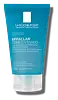
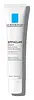
La Roche-Posay Gel de Limpeza Effaclar Concentrado (Concentrated Cleansing Gel) Versus La Roche-Posay Effaclar Duo (+) Dual Action Acne Treatment
This salicylic acid gel cleanser is formulated around Salicylic Acid to clear breakouts and unclog pores.
This acne treatment is formulated around Benzoyl Peroxide and Capryloyl Salicylic Acid to clear breakouts and balance excess oil.

What's inside
What's inside
 Key Ingredients
Benefits
Concerns
Ingredients Side-by-side
Water
Skin ConditioningSodium Laureth Sulfate
Cleansing



Decyl Glucoside
Cleansing
Glycerin
Humectant


Sodium Chloride
MaskingCoco-Betaine
Cleansing
Salicylic Acid
Masking







PEG-150 Pentaerythrityl Tetrastearate
Emulsifying
PEG-6 Caprylic/Capric Glycerides
EmulsifyingZinc Gluconate
Skin Conditioning
Sodium Hydroxide
BufferingCapryloyl Salicylic Acid
Exfoliating

Tetrasodium EDTA
ChelatingCitric Acid
Buffering
Menthol
Masking
Polyquaternium-47
Skin ConditioningHexylene Glycol
EmulsifyingWater, Sodium Laureth Sulfate, Decyl Glucoside, Glycerin, Sodium Chloride, Coco-Betaine, Salicylic Acid, PEG-150 Pentaerythrityl Tetrastearate, PEG-6 Caprylic/Capric Glycerides, Zinc Gluconate, Sodium Hydroxide, Capryloyl Salicylic Acid, Tetrasodium EDTA, Citric Acid, Menthol, Polyquaternium-47, Hexylene Glycol
Benzoyl Peroxide 5.5%
Water
Skin ConditioningIsostearyl Alcohol
Emollient
Glycerin
Humectant
Pentylene Glycol
Skin Conditioning
Silica
Abrasive
Carbomer
Emulsion StabilisingCapryloyl Salicylic Acid
Exfoliating
Potassium Hydroxide
BufferingTocopheryl Acetate
Antioxidant

Acrylates/C10-30 Alkyl Acrylate Crosspolymer
Emulsion StabilisingDisodium EDTA
ChelatingEpilobium Angustifolium Flower/Leaf/Stem Extract
Skin Conditioning
Reviews
Ingredients Explained
These ingredients are found in both products.
Ingredients higher up in an ingredient list are typically present in a larger amount.
Capryloyl Salicylic Acid comes from salicylic acid, the famous acne-fighting BHA.
It usually goes by a more common name of LHA, or lipohydroxy acid.
Like salicylic acid, this ingredient is a chemical exfoliant that can help break down the oil in your pores and reduce inflammation.
Though studies for LHA do show it to be less effective than salicylic acid. To be fair, salicylic acid is the reigning monarch of acne treatments.
However, a study from 2009 found LHA to be comparable to BPO, making it a good alternative for people with sensitive skin. Another study of 14 patients found a significant decrease in comedones after using LHA.
Another pro of LHA? It is less irritating than salicylic acid due to its large molecule size.
Large molecules cannot penetrate skin as well, so they are gentler on the skin. LHA is much less penetrative than salicylic acid.
An in-vitro study (not done on a living organism) found only 6% of LHA penetrated past the statum corneum compared to 58% of salicylic acid. An in-vivo (done on a living organism) analysis revealed ~17% of LHA was still present in the top layer of skin after 4 days, versus ~9% of salicylic acid.
Interestingly, a study from 2008 found LHA comparable to another famous acid, glycolic acid.
This study found about 10% of LHA is as effective as 20-50% of glycolic acid in treating hyperpigmentation and fine-lines.
Hydroxy acids have been found to stimulate skin protein, lipids, and thermal thickening. This may have anti-aging benefits.
Learn more about Capryloyl Salicylic AcidGlycerin (or glycerol) is a compound naturally found in your skin. It's a powerhouse humectant that pulls water into the stratum corneum.
Topically, glycerin does several things at once:
Your skin makes glycerin on its own (mostly from sebaceous oil breakdown) and shuttles it to your outermost layer of skin, or your epidermis, via aquaporin-3.
Aquaporin-3 is a transporter that is essential for normal skin hydration, elasticity, and repair. Interestingly, mice lacking in AQP3 have dry and less elastic skin that can be fully corrected with glycerin.
This ingredient is non-irritating, plays well with almost every ingredient, and works across all skin types. Typical use is anywhere between 3-10% but can go up to 79% in some leave-on products.
Just know very high concentrations (>40%) can feel tacky in low humidity.
Glycerin is the name for this ingredient in American English. British English uses Glycerol/Glycerine.
Learn more about GlycerinWater. It's the most common cosmetic ingredient of all. You'll usually see it at the top of ingredient lists, meaning that it makes up the largest part of the product.
So why is it so popular? Water most often acts as a solvent - this means that it helps dissolve other ingredients into the formulation.
You'll also recognize water as that liquid we all need to stay alive. If you see this, drink a glass of water. Remember to stay hydrated!
Learn more about Water

