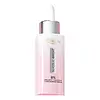
This brightening serum is formulated around Niacinamide and Glycolic Acid to fade the look of dark spots and brighten dull-looking skin.
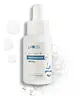
This brightening serum is formulated around Niacinamide and Oryza Sativa Extract to fade the look of dark spots and strengthen the skin barrier.


What's inside
What's inside
 Key Ingredients
Benefits
Concerns
Ingredients Side-by-side
Water
Skin ConditioningCaprylyl Methicone
Skin Conditioning
Niacinamide
Smoothing











Alcohol Denat.
Antimicrobial




Butylene Glycol
Humectant
Glycerin
Humectant
Hydroxyethylpiperazine Ethane Sulfonic Acid
BufferingCaffeine
Skin Conditioning
Potassium Hydroxide
BufferingLinalool
Perfuming

Glycolic Acid
Buffering

2-Mercaptonicotinoyl Glycine
Skin Conditioning
Sodium Thiosulfate
Sodium Hyaluronate
Humectant
Phenoxyethanol
Preservative
Ammonium Acryloyldimethyltaurate/Vp Copolymer
Chlorphenesin
Antimicrobial
Tocopheryl Acetate
Antioxidant

Poloxamer 338
EmulsifyingLimonene
Perfuming
Tocopherol
Antioxidant
Hydroxyacetophenone
Antioxidant
Capryloyl Salicylic Acid
Exfoliating
Citronellol
Perfuming
Trisodium Ethylenediamine Disuccinate
ChelatingBiosaccharide Gum-1
Humectant
Xanthan Gum
EmulsifyingMenthoxypropanediol
Masking
Benzyl Alcohol
Perfuming
Benzyl Salicylate
Perfuming
PEG-12 Dimethicone/PPG-20 Crosspolymer
CI 17200
Cosmetic ColorantCI 42090
Cosmetic ColorantParfum
Masking
Water, Caprylyl Methicone, Niacinamide, Alcohol Denat., Butylene Glycol, Glycerin, Hydroxyethylpiperazine Ethane Sulfonic Acid, Caffeine, Potassium Hydroxide, Linalool, Glycolic Acid, 2-Mercaptonicotinoyl Glycine, Sodium Thiosulfate, Sodium Hyaluronate, Phenoxyethanol, Ammonium Acryloyldimethyltaurate/Vp Copolymer, Chlorphenesin, Tocopheryl Acetate, Poloxamer 338, Limonene, Tocopherol, Hydroxyacetophenone, Capryloyl Salicylic Acid, Citronellol, Trisodium Ethylenediamine Disuccinate, Biosaccharide Gum-1, Xanthan Gum, Menthoxypropanediol, Benzyl Alcohol, Benzyl Salicylate, PEG-12 Dimethicone/PPG-20 Crosspolymer, CI 17200, CI 42090, Parfum
Water
Skin ConditioningNiacinamide 10%
Smoothing
Oryza Sativa Extract
Absorbent
Isodecyl Neopentanoate
EmollientSqualane 5%
Emollient
Sorbitol
Humectant
Pentylene Glycol
Skin Conditioning
Hydrogenated Polyisobutene
EmollientRice Ferment Filtrate
Skin Conditioning
Butylene Glycol
Humectant
Rosa Damascena Flower Water
Masking
Caffeine 1%
Skin Conditioning
Glycyrrhiza Glabra Root Extract
Bleaching
Glycerin
Humectant
Acrylates Copolymer
Vp/Polycarbamyl Polyglycol Ester
Hydrolyzed Sesame Protein Pg-Propyl Methylsilanediol
Skin ConditioningBenzyl Alcohol
Perfuming
Hydroxyacetophenone
Antioxidant
Caprylyl Glycol
Emollient
Ethylhexyl Olivate
Skin Conditioning
Sodium Acrylates Copolymer
Polyglyceryl-4 Olivate
EmollientCyclodextrin
AbsorbentSodium Hyaluronate
Humectant
Tocopheryl Acetate
Antioxidant
Sodium Gluconate
ChelatingWater, Niacinamide 10%, Oryza Sativa Extract, Isodecyl Neopentanoate, Squalane 5%, Sorbitol, Pentylene Glycol, Hydrogenated Polyisobutene, Rice Ferment Filtrate, Butylene Glycol, Rosa Damascena Flower Water, Caffeine 1%, Glycyrrhiza Glabra Root Extract, Glycerin, Acrylates Copolymer, Vp/Polycarbamyl Polyglycol Ester, Hydrolyzed Sesame Protein Pg-Propyl Methylsilanediol, Benzyl Alcohol, Hydroxyacetophenone, Caprylyl Glycol, Ethylhexyl Olivate, Sodium Acrylates Copolymer, Polyglyceryl-4 Olivate, Cyclodextrin, Sodium Hyaluronate, Tocopheryl Acetate, Sodium Gluconate
Reviews
Ingredients Explained
These ingredients are found in both products.
Ingredients higher up in an ingredient list are typically present in a larger amount.
Benzyl Alcohol is an aromatic alcohol with several roles: it's a preservative, solvent, and mild fragrance component with a floral scent.
This ingredient has been deemed safe for use in cosmetic formulations at concentrations up to 5%, and up to 10% in hair dyes. You'll typically see 0.5-2% in most rinse-off or leave-on products.
As a preservative, it works by disrupting the membrane of microbial proteins. This helps keep bacteria and fungi from growing in your products.
The sensitization picture is actually quite assuring as well:of nearly 71,000 patients patch tested with benzyl alcohol, only 0.21% showed a positive reaction with most of them being weakly positive.
This led researchers to conclude that benzyl alcohol cannot be regarded as a significant contact allergen.
It is worth noting this ingredient is classified as one of the EU's regulated fragrance allergens and restricted to 1% in finished products.
Labels must also declare it in concentrations above 0.001% in leave-on products and 0.01% in rinse-off products.
At concentrations around 5%, localized redness and itching can appear as a direct irritant response and not as a true allergic reaction.
Learn more about Benzyl AlcoholButylene Glycol (or BG) is used within cosmetic products for a few different reasons:
Overall, Butylene Glycol is a safe and well-rounded ingredient that works well with other ingredients.
Though this ingredient works well with most skin types, some people with sensitive skin may experience a reaction such as allergic rashes, closed comedones, or itchiness.
Learn more about Butylene GlycolCaffeine is a naturally occurring plant compound found in coffee beans, tea leaves, cocoa pods, and guarana.
As an antioxidant, caffeine protects your skin from free radical damage caused by UV exposure and envionrmnetal stressors.
Early research also shows that caffeine can help calm redness, soothe irritated skin, and support hair growth by stimulating microcirculation in the scalp.
You might have seen eye creams marketing caffeine as a depuffing ingredient. This is because it is a vasoconstrictor meaning it can temporarily constrict blood vessels, though clinical evidence for this specific use is still limited.
Most skincare products contain this ingredient at concentrations between 1-6%. It is able to penetrate skin easily regardless of skin type or thickness.
Just so you know, a very small number of case reports describe caffeine-induced allergy. This ingredient is generally well-tolerated, non-irritating, and non-sensitizing for the majority of people.
Learn more about CaffeineGlycerin (or glycerol) is a compound naturally found in your skin. It's a powerhouse humectant that pulls water into the stratum corneum.
Topically, glycerin does several things at once:
Your skin makes glycerin on its own (mostly from sebaceous oil breakdown) and shuttles it to your outermost layer of skin, or your epidermis, via aquaporin-3.
Aquaporin-3 is a transporter that is essential for normal skin hydration, elasticity, and repair. Interestingly, mice lacking in AQP3 have dry and less elastic skin that can be fully corrected with glycerin.
This ingredient is non-irritating, plays well with almost every ingredient, and works across all skin types. Typical use is anywhere between 3-10% but can go up to 79% in some leave-on products.
Just know very high concentrations (>40%) can feel tacky in low humidity.
Glycerin is the name for this ingredient in American English. British English uses Glycerol/Glycerine.
Learn more about GlycerinHydroxyacetophenone is a small phenolic molecule that earns its place in a formulas as an antioxidant and preservative booster.
As a phenol, it is able to neutralize free radicals to protect both the product and the skin from oxidative stress.
Though it can't kill microbes on its own, it works as a good supporting agent when combined with other preservatives like Phenoxyethanol or 1,2-Hexanediol.
This ingredient naturally occurs as piceol in Norwegian spruce needles (~0.4-1.1% dry weight and in cloudberries). Though the cosmetic-grade material is synthesized for purity and consistency.
You'll usually see it used at low levels and suppliers recommend up to 1% added to a water phase.
Safety testing was done at concentrations like 0.05% in SPF products and 0.5% in a Human Repeated Insult Patch Test. The safety evidence is assuring; this ingredient is safe for cosmetics in current use and also holds safety status as a food flavoring as well.
An honest caveat: the "soothing" and "anti-inflammatory" claims come mostly from supplier marketing rather than published clinical trials. The Cosmetic Ingredient Review's own literature search found no useful efficacy studies on this ingredient.
So the antioxidant and preservative-boosting roles are the well supported ones while the calming benefit is plausible but thinly evidenced.
Overall, this is a well-tolerated, low-irritation multitasker that quietly helps a formula stay fresh and stable.
Learn more about HydroxyacetophenoneNiacinamide is a multitasking form of vitamin B3 that strengthens the skin barrier, reduces pores and dark spots, regulates oil, and improves signs of aging.
And the best part? It's gentle and well-tolerated by most skin types, including sensitive and reactive skin.
You might have heard of "niacin flush", or the reddening of skin that causes itchiness. Niacinamide has not been found to cause this.
In very rare cases, some individuals may not be able to tolerate niacinamide at all or experience an allergic reaction to it.
If you are experiencing flaking, irritation, and dryness with this ingredient, be sure to double check all your products as this ingredient can be found in all categories of skincare.
When incorporating niacinamide into your routine, look out for concentration amounts. Typically, 5% niacinamide provides benefits such as fading dark spots. However, if you have sensitive skin, it is better to begin with a smaller concentration.
When you apply niacinamide to your skin, your body converts it into nicotinamide adenine dinucleotide (NAD). NAD is an essential coenzyme that is already found in your cells as "fuel" and powers countless biological processes.
In your skin, NAD helps repair cell damage, produce new healthy cells, support collagen production, strengthen the skin barrier, and fight environmental stressors (like UV and pollution).
Our natural NAD levels start to decline with age, leading to slower skin repair, visible aging, and a weaker skin barrier. By providing your skin niacinamide, you're recharging your skin's NAD levels. This leads to stronger, healthier, and younger looking skin.
Another name for vitamin B3 is nicotinamide. This vitamin is water-soluble and our bodies don't store it. We obtain Vitamin B3 from either food or skincare. Meat, fish, wheat, yeast, and leafy greens contain vitamin B3.
The type of niacinamide used in skincare is synthetically created.
Learn more about NiacinamideSodium Hyaluronate is the salt form of hyaluronic acid. It is a long sugar chain that is naturally found in your skin, joints, and connective tissue that maintains hydration and elasticity.
In skincare, it works as a humectant. It pulls water from the environment and deeper layers of skin and binds it to the surface.
Interestingly, the size of the molecule affects its behavior:
Some clinical evidence links low molecular weight versions to improved wrinkle depth, elasticity, anti-inflammatory effects, and barrier repair.
Many serums use a blend of both weights so you can get surface hydration plus longer-lasting and deeper effects.
You'll typically see concentrations between 0.1-2% for this ingredient.
Learn more about Sodium HyaluronateTocopheryl Acetate is a stable, shelf-friendly form of vitamin E.
Formulators love it because plain vitamin E oxidizes quickly once it hits air. This acetate version stays stable and resists going off, helping to extend a product's shelf life.
It's actually inactive on its own and works like a slow-release "storage" form; the enzymes in your skin called esterases gradually convert it into active vitamin E over time.
One in vivo study showed 5% of the acetate in the living layer of the epidermis converted to vitamin E after 5 days of application. This study also found the skin gained protection against UV damage even though the conversion was slow and small.
Once converted, vitamin E acts as a skin's main fat-soluble antioxidant that fights free radicals to protect skin from damage.
Topical vitamin E generally boosts the skin's photoprotection, and it reduced UV-damage in animal models.
This ingredient has some brightening potential but it's more of a prevention ingredient than spot-fader. Cell studies show it can slow down melanin production but it's worth noting that it's not the most powerful brightener out there.
Overall, it has a pretty solid safety profile and has been found to be non-irritating and non-comedogenic. Allergic reactions may happen but stay rare due to how widely the ingredient gets used.
The concentration will vary depending on the formula; industry data shows 0.1% in baby lotions, 3% in lipsticks, and 5% in foot powders. You can also find this ingredient at 100% in a pure vitamin E oil.
Most leave-on skincare keeps it at the lower end, often between 0.5-1%.
Learn more about Tocopheryl AcetateWater. It's the most common cosmetic ingredient of all. You'll usually see it at the top of ingredient lists, meaning that it makes up the largest part of the product.
So why is it so popular? Water most often acts as a solvent - this means that it helps dissolve other ingredients into the formulation.
You'll also recognize water as that liquid we all need to stay alive. If you see this, drink a glass of water. Remember to stay hydrated!
Learn more about Water

