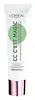
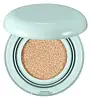
L'Oreal CC C'est Magic Anti-Redness Skin Enhancer Versus innisfree No-Sebum Powder Cushion SPF 29 PA++


What's inside
What's inside
 Key Ingredients
Benefits
Concerns
Ingredients Side-by-side
Water
Skin ConditioningIsododecane
EmollientCyclopentasiloxane
Emollient
Glycerin
Humectant


Cyclohexasiloxane
Emollient
PEG-10 Dimethicone
Skin Conditioning
Methyl Methacrylate Crosspolymer

Butylene Glycol
Humectant
Dimethicone
Emollient
Isoeicosane
EmollientDisteardimonium Hectorite
StabilisingPhenoxyethanol
Preservative
Acrylates/Ammonium Methacrylate Copolymer
Cetyl PEG/PPG-10/1 Dimethicone
Emulsifying
Boron Nitride
Absorbent
Sodium Chloride
MaskingPolyglyceryl-4 Isostearate
Emulsifying

Hexyl Laurate
Emollient
Isostearyl Neopentanoate
Emollient

Caprylyl Glycol
Emollient
Methylparaben
Preservative

Parfum
Masking


Triethyl Citrate
Masking
Alumina
Abrasive
Aluminum Hydroxide
EmollientTocopherol
Antioxidant





Panthenol
Skin Conditioning
Perfluorooctyl Triethoxysilane
Ethylhexyl Hydroxystearate
Emollient
Polymethyl Methacrylate
Limonene
Perfuming
Magnesium Stearate
Cosmetic ColorantFicus Carica Fruit/Leaf Extract
Skin ConditioningXanthan Gum
EmulsifyingPotassium Sorbate
Preservative
Pentaerythrityl Tetra-Di-T-Butyl Hydroxyhydrocinnamate
Antioxidant
CI 77891
Cosmetic ColorantCI 77491
Cosmetic ColorantCI 77492
Cosmetic ColorantCI 77499
Cosmetic ColorantCI 77163
Cosmetic Colorant
CI 19140
Cosmetic ColorantCI 42090
Cosmetic ColorantWater, Isododecane, Cyclopentasiloxane, Glycerin, Cyclohexasiloxane, PEG-10 Dimethicone, Methyl Methacrylate Crosspolymer, Butylene Glycol, Dimethicone, Isoeicosane, Disteardimonium Hectorite, Phenoxyethanol, Acrylates/Ammonium Methacrylate Copolymer, Cetyl PEG/PPG-10/1 Dimethicone, Boron Nitride, Sodium Chloride, Polyglyceryl-4 Isostearate, Hexyl Laurate, Isostearyl Neopentanoate, Caprylyl Glycol, Methylparaben, Parfum, Triethyl Citrate, Alumina, Aluminum Hydroxide, Tocopherol, Panthenol, Perfluorooctyl Triethoxysilane, Ethylhexyl Hydroxystearate, Polymethyl Methacrylate, Limonene, Magnesium Stearate, Ficus Carica Fruit/Leaf Extract, Xanthan Gum, Potassium Sorbate, Pentaerythrityl Tetra-Di-T-Butyl Hydroxyhydrocinnamate, CI 77891, CI 77491, CI 77492, CI 77499, CI 77163, CI 19140, CI 42090
Water
Skin ConditioningCI 77891
Cosmetic ColorantCyclopentasiloxane
Emollient
Butylene Glycol
Humectant
Methyl Trimethicone
Skin Conditioning
Pentaerythrityl Tetraethylhexanoate
Emollient
PEG-10 Dimethicone
Skin Conditioning
Cyclohexasiloxane
Emollient
Silica
Abrasive
Boron Nitride
Absorbent
Mica
Cosmetic ColorantLauryl Polyglyceryl-3 Polydimethylsiloxyethyl Dimethicone
Skin Conditioning
Dimethicone
Emollient
Trimethylsiloxysilicate
Emollient
Diisostearyl Malate
EmollientVinyl Dimethicone/Methicone Silsesquioxane Crosspolymer
CI 77492
Cosmetic ColorantPolymethyl Methacrylate
Disteardimonium Hectorite
StabilisingAcrylates/Ethylhexyl Acrylate/Dimethicone Methacrylate Copolymer
Skin Conditioning
Polysilicone-11
Sodium Chloride
MaskingPanthenol
Skin Conditioning
Alumina
Abrasive
Aluminum Hydroxide
EmollientDimethicone/Vinyl Dimethicone Crosspolymer
Skin Conditioning
Triethoxycaprylylsilane
CI 77491
Cosmetic ColorantCaprylyl Glycol
Emollient
Polysorbate 80
Emulsifying
Ethylhexylglycerin
Skin ConditioningGlyceryl Caprylate
EmollientHydrogenated Lecithin
Emulsifying
Methicone
Emollient
CI 77499
Cosmetic ColorantDisodium EDTA
ChelatingPropanediol
Solvent
Polymethylsilsesquioxane
Aluminum Starch Octenylsuccinate
Absorbent
1,2-Hexanediol
Skin Conditioning
Tocopherol
Antioxidant
Camellia Sinensis Leaf Extract
Antimicrobial
Water, CI 77891, Cyclopentasiloxane, Butylene Glycol, Methyl Trimethicone, Pentaerythrityl Tetraethylhexanoate, PEG-10 Dimethicone, Cyclohexasiloxane, Silica, Boron Nitride, Mica, Lauryl Polyglyceryl-3 Polydimethylsiloxyethyl Dimethicone, Dimethicone, Trimethylsiloxysilicate, Diisostearyl Malate, Vinyl Dimethicone/Methicone Silsesquioxane Crosspolymer, CI 77492, Polymethyl Methacrylate, Disteardimonium Hectorite, Acrylates/Ethylhexyl Acrylate/Dimethicone Methacrylate Copolymer, Polysilicone-11, Sodium Chloride, Panthenol, Alumina, Aluminum Hydroxide, Dimethicone/Vinyl Dimethicone Crosspolymer, Triethoxycaprylylsilane, CI 77491, Caprylyl Glycol, Polysorbate 80, Ethylhexylglycerin, Glyceryl Caprylate, Hydrogenated Lecithin, Methicone, CI 77499, Disodium EDTA, Propanediol, Polymethylsilsesquioxane, Aluminum Starch Octenylsuccinate, 1,2-Hexanediol, Tocopherol, Camellia Sinensis Leaf Extract
Ingredients Explained
These ingredients are found in both products.
Ingredients higher up in an ingredient list are typically present in a larger amount.
Alumina (aka aluminum oxide) is an inorganic mineral powder refined from bauxite that works as a quiet workhorse in a formula.
It shows up often as an abrasive, absorbent, anticaking, bulking, and viscosity-controlling agent.
One of its most common jobs is acting as a pigment carrier and dispersant.
Alumina platelets are often blended with inorganic sunscreens like Titanium Dioxide (or with colorants) and then coated with a silicone such as Triethoxycaprylylsilane so the pigment spreads evenly and smoothly.
In makeup, it can also double as a light-diffusing powder or oil absorber to keep formulas from looking greasy.
The Cosmetic Ingredient Review Expert Panel has concluded alumina to be safe in present practices of use and concentration.
They note it's a stable, oxidized compound and scientific research has failed to establish links to health issues.
Concentrations vary depending on the product:
Learn more about AluminaAluminum Hydroxide is a form of aluminum. It can be naturally found in nature as the mineral gibbsite. In cosmetics, Aluminum Hydroxide is used as a colorant, pH adjuster, and absorbent.
As a colorant, Aluminum Hydroxide may add opacity, or reduce the transparency. Aluminum hydroxide is contains both basic and acidic properties.
According to manufacturers, this ingredient is an emollient and humectant. This means it helps hydrate the skin.
In medicine, this ingredient is used to help relieve heartburn and help heal ulcers.
There is currently no credible scientific evidence linking aluminum hydroxide in cosmetics to increased cancer risk.
Major health organizations allow the use of aluminum hydroxide in personal care products and have not flagged it as a carcinogenic risk at typical usage levels.
Learn more about Aluminum HydroxideBoron Nitride is compound consisting of boron and nitrogen. It is used to absorb oil and modify adherence/ slip in products.
This means it is often used in makeup products to help them last longer.
Butylene Glycol (or BG) is used within cosmetic products for a few different reasons:
Overall, Butylene Glycol is a safe and well-rounded ingredient that works well with other ingredients.
Though this ingredient works well with most skin types, some people with sensitive skin may experience a reaction such as allergic rashes, closed comedones, or itchiness.
Learn more about Butylene GlycolCaprylyl Glycol is a humectant, skin conditioner, emollient, and preservative booster derived from either caprylic acid or synthetically created.
Typical use levels vary from 0.3-1% as a preservative booster and go up to 2% to condition skin.
Because it is not a free-fatty acid, this ingredient is fungal acne safe (there's nothing for Malassezia to feed on).
Learn more about Caprylyl GlycolCi 77491 is also hydrated iron III oxide. It's sole purpose is to give a red/pink hue to products.
Iron III oxides are classified as inorganic chemicals for coloring.
Synthetically created Ci 77491 is considered safer than those naturally found. This is because the synthetically created version may contain less impurities. Iron oxides are generally non-toxic and non-allergenic.
Learn more about CI 77491CI 77492 is also hydrated iron III oxide. It's sole purpose is to give a yellow hue to products.
Iron III oxides are classified as inorganic chemicals for coloring.
Synthetically created CI 77492 is considered safer than those naturally found. This is because the synthetically created version may contain less impurities. Iron oxides are generally non-toxic and non-allergenic.
Learn more about CI 77492Ci 77499 is also hydrated iron III oxide. It is created from mixing red and black iron oxides. This helps give shades of darkness to a product.
Iron III oxides are classified as inorganic chemicals for coloring.
Ci 77891 is a white pigment from Titanium dioxide. It is naturally found in minerals such as rutile and ilmenite.
It's main function is to add a white color to cosmetics. It can also be mixed with other colors to create different shades.
Ci 77891 is commonly found in sunscreens due to its ability to block UV rays.
Learn more about CI 77891Cyclohexasiloxane is a type of silicone more commonly known as D6. It is an emollient and solvent.
Cyclohexasiloxane is used to evenly distribute ingredients throughout the product. When applied to the skin, Cyclohexasiloxane evaporates and leaves behind a silky feel.
As an emollient, it can help the skin feel soft and hydrated. It is also used to reduce frizz in hair products.
Learn more about CyclohexasiloxaneCyclopentasiloxane (D5) is a lightweight silicone that mostly acts as an emollient and solvent in cosmetics. Its the reason your products feel silky, fast-spreading, and non-greasy.
Since D5 is volatile, it does its thing and then evaporates off the skin quickly.
The safety profile of this ingredient is reassuring; the US CIR Expert Panel concluded D5 is safe as used in cosmetics and Health Canada concluded that D5 is not harmful to human health or the environment as currently used in cosmetics
There's a study that people mention about D5 in a rat study showing tumors. This study is related to long-term inhalation of high D5 levels.
Regulatory bodies have judged this study to be not applicable in topical skincare since skin absorption of D5 is very low and we're not really inhaling huge amounts of D5.
The only restriction for this ingredient is environmental. The European Chemicals Agency (ECHA) restricted D5 in wash-off cosmetics at or above 0.1% due to their persistence in water.
Learn more about CyclopentasiloxaneDimethicone is a type of synthetic silicone created from natural materials such as quartz. It is also known as polydimethylsiloxane.
What it does:
Dimethicone comes in different viscosities:
Depending on the viscosity, dimethicone has different properties.
Ingredients lists don't always show which type is used, so we recommend reaching out to the brand if you have questions about the viscosity.
This ingredient is unlikely to cause irritation because it does not get absorbed into skin. However, people with silicone allergies should be careful about using this ingredient.
Note: Dimethicone may contribute to pilling. This is because it is not oil or water soluble, so pilling may occur when layered with products. When mixed with heavy oils in a formula, the outcome is also quite greasy.
Learn more about DimethiconeDisteardimonium Hectorite comes from the clay mineral named hectorite. It is used to add thickness to a product.
It can also help stabilize a product by helping to disperse other ingredients.
Hectorite is a rare, white clay mineral.
Learn more about Disteardimonium HectoritePanthenol is a common ingredient that helps hydrate and soothe the skin. It is found naturally in our skin and hair.
There are two forms of panthenol: D and L.
D-panthenol is also known as dexpanthenol. Most cosmetics use dexpanthenol or a mixture of D and L-panthenol.
Panthenol is famous due to its ability to go deeper into the skin's layers. Using this ingredient has numerous pros (and no cons):
Like hyaluronic acid, panthenol is a humectant. Humectants are able to bind and hold large amounts of water to keep skin hydrated.
This ingredient works well for wound healing. It works by increasing tissue in the wound and helps close open wounds.
Once oxidized, panthenol converts to pantothenic acid. Panthothenic acid is found in all living cells.
This ingredient is also referred to as pro-vitamin B5.
Learn more about PanthenolPeg-10 Dimethicone is silicone with conditioner and emulsifier properties. It mostly acts as an emollient in skincare and and humectant in haircare.
According to the manufacturer, acidic formulations decrease the stability of this ingredient. It works best in neutral or near neutral formulations.
This ingredient is also known as PMMA. It is a polymer microsphere, composed of tiny, perfectly spherical particles formed from repeating units.
In cosmetics, PMMA is mainly used to give a soft or blurring effect. The transparent particles are able to scatter light and help reduce the appearance of fine-lines and imperfections.
PMMA is also able to enhance the texture of products by add a smooth feel.
Learn more about Polymethyl MethacrylateChances are, you eat sodium chloride every day. Sodium Chloride is also known as table salt. This ingredient has many purposes in skincare: thickener, emulsifier, and exfoliator.
You'll most likely find this ingredient in cleansers where it is used to create a gel-like texture. As an emulsifier, it also prevents ingredients from separating.
You might see people debate whether Sodium Chloride is comedogenic, but there actually haven't been any comedogenic tests done on it. Either way, the overall formulation of a product matters a lot more than any single ingredient.
You might see this ingredient used in scrubs as a primary exfoliating ingredient.
Learn more about Sodium ChlorideTocopherol is a fat-soluble antioxidant known as Vitamin E.
You'll find this ingredient in the vast majority of skincare (for good reason). It works to neutralize free radicals, or unstable molecules generated by UV exposure, pollution, and other environmental stressors, before they can cause oxidative damage to your skin cells.
Topically applied tocopherol has been shown to protect against UV damage by ramping up the skin's own natural defense enzymes.
It also acts as a skin conditioning agent; some studies show that regular topical use can improve the skin's water-binding capacity over 2-4 weeks.
This ingredient is especially loved for being a team player. When combined with Vitamin C, the photoprotective effect of both ingredients roughly doubles and the combo also helps reduce UV-induced DNA damage.
This ingredient has some brightening potential but it's more of a prevention ingredient than spot-fader. Cell studies show it can slow down melanin production but it's worth noting that it's not the most powerful brightener out there.
In formulations, it also serves as a stabilizer that helps protect other oxidation-prone ingredients from degrading.
Concentrations usually range from 0.1-1% in most leave-on products.
Learn more about TocopherolWater. It's the most common cosmetic ingredient of all. You'll usually see it at the top of ingredient lists, meaning that it makes up the largest part of the product.
So why is it so popular? Water most often acts as a solvent - this means that it helps dissolve other ingredients into the formulation.
You'll also recognize water as that liquid we all need to stay alive. If you see this, drink a glass of water. Remember to stay hydrated!
Learn more about Water

