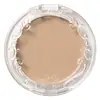
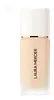
KVD Vegan Beauty Good Apple Skin-Perfecting Balm Versus Laura Mercier Real Flawless Weightless Perfecting Waterproof Foundation


What's inside
What's inside
 Key Ingredients
Benefits
Concerns
Ingredients Side-by-side
Triethylhexanoin
MaskingOctyldodecanol
Emollient
Silica
Abrasive


Dimethicone
Emollient

Dibutyl Lauroyl Glutamide
Skin ConditioningOctyldodecyl Neopentanoate
EmollientDisteardimonium Hectorite
StabilisingIsostearyl Alcohol
Emollient

Oleyl Alcohol
Emollient




Polymethyl Methacrylate
Pyrus Malus Fruit Extract
Skin Conditioning
Disodium Stearoyl Glutamate
CleansingMica
Cosmetic ColorantHydrolyzed Sodium Hyaluronate
Skin Conditioning
Polysilicone-11
Water
Skin ConditioningButylene Glycol
Humectant
Caprylyl Glycol
Emollient
Phenoxyethanol
Preservative
Aluminum Hydroxide
EmollientCarthamus Tinctorius Seed Oil
Masking
Hexylene Glycol
EmulsifyingTocopheryl Acetate
Antioxidant


Tocopherol
Antioxidant


Ascorbic Acid
Antioxidant

Decyl Glucoside
Cleansing
Glycerin
Humectant
Sodium PCA
Humectant
Sodium Lactate
Buffering
Arginine
Masking
Aspartic Acid
Masking
PCA
Humectant
Saccharomyces/Magnesium Ferment
Glycine
Buffering
Alanine
Masking
Serine
Masking
Valine
MaskingSaccharomyces/Copper Ferment
Skin Conditioning
Potassium Sorbate
Preservative
Saccharomyces/Silicon Ferment
Skin Conditioning
Isoleucine
Skin ConditioningProline
Skin Conditioning
Threonine
Saccharomyces/Zinc Ferment
Skin Conditioning
Hyaluronic Acid
Humectant
Saccharomyces/Iron Ferment
Skin Conditioning
Silanetriol
Citric Acid
Buffering
Sorbic Acid
Preservative
Histidine
Humectant
Phenylalanine
Masking
Titanium Dioxide
Cosmetic Colorant

Iron Oxides
Triethylhexanoin, Octyldodecanol, Silica, Dimethicone, Dibutyl Lauroyl Glutamide, Octyldodecyl Neopentanoate, Disteardimonium Hectorite, Isostearyl Alcohol, Oleyl Alcohol, Polymethyl Methacrylate, Pyrus Malus Fruit Extract, Disodium Stearoyl Glutamate, Mica, Hydrolyzed Sodium Hyaluronate, Polysilicone-11, Water, Butylene Glycol, Caprylyl Glycol, Phenoxyethanol, Aluminum Hydroxide, Carthamus Tinctorius Seed Oil, Hexylene Glycol, Tocopheryl Acetate, Tocopherol, Ascorbic Acid, Decyl Glucoside, Glycerin, Sodium PCA, Sodium Lactate, Arginine, Aspartic Acid, PCA, Saccharomyces/Magnesium Ferment, Glycine, Alanine, Serine, Valine, Saccharomyces/Copper Ferment, Potassium Sorbate, Saccharomyces/Silicon Ferment, Isoleucine, Proline, Threonine, Saccharomyces/Zinc Ferment, Hyaluronic Acid, Saccharomyces/Iron Ferment, Silanetriol, Citric Acid, Sorbic Acid, Histidine, Phenylalanine, Titanium Dioxide, Iron Oxides
Isododecane
EmollientIsodecyl Neopentanoate
EmollientHydrogenated Polyisobutene
EmollientHydrogenated Polycyclopentadiene
Hydrogenated Didecene
Skin ConditioningSilica
Abrasive
Polyglyceryl-3 Diisostearate
Emulsifying
Hydrogenated Styrene/Isoprene Copolymer
Dicalcium Phosphate
Abrasive
Disteardimonium Hectorite
StabilisingCellulose
Absorbent
Lauryl PCA
HumectantTheobroma Cacao Seed Extract
Antioxidant
Hydrogenated Lecithin
Emulsifying
Camellia Oleifera Seed Oil
Skin Conditioning
Water
Skin ConditioningPentaerythrityl Tetra-Di-T-Butyl Hydroxyhydrocinnamate
Antioxidant
Tocopheryl Acetate
Antioxidant
Butylene Glycol
Humectant
Iron Oxides
CI 77891
Cosmetic ColorantIsododecane, Isodecyl Neopentanoate, Hydrogenated Polyisobutene, Hydrogenated Polycyclopentadiene, Hydrogenated Didecene, Silica, Polyglyceryl-3 Diisostearate, Hydrogenated Styrene/Isoprene Copolymer, Dicalcium Phosphate, Disteardimonium Hectorite, Cellulose, Lauryl PCA, Theobroma Cacao Seed Extract, Hydrogenated Lecithin, Camellia Oleifera Seed Oil, Water, Pentaerythrityl Tetra-Di-T-Butyl Hydroxyhydrocinnamate, Tocopheryl Acetate, Butylene Glycol, Iron Oxides, CI 77891
Reviews
Ingredients Explained
These ingredients are found in both products.
Ingredients higher up in an ingredient list are typically present in a larger amount.
Butylene Glycol (or BG) is used within cosmetic products for a few different reasons:
Overall, Butylene Glycol is a safe and well-rounded ingredient that works well with other ingredients.
Though this ingredient works well with most skin types, some people with sensitive skin may experience a reaction such as allergic rashes, closed comedones, or itchiness.
Learn more about Butylene GlycolDisteardimonium Hectorite comes from the clay mineral named hectorite. It is used to add thickness to a product.
It can also help stabilize a product by helping to disperse other ingredients.
Hectorite is a rare, white clay mineral.
Learn more about Disteardimonium HectoriteSilica, also known as silicon dioxide, is a naturally occurring mineral. It is used as a fine, spherical, and porous powder in cosmetics.
Though it has exfoliant properties, the function of silica varies depending on the product.
The unique structure of silica enhances the spreadability and adds smoothness, making it a great texture enhancer.
It is also used as an active carrier, emulsifier, and mattifier due to its ability to absorb excess oil.
In some products, tiny microneedles called spicules are made from silica or hydrolyzed sponge. When you rub them in, they lightly polish away dead skin layers and enhance the penetration of active ingredients.
Learn more about SilicaTocopheryl Acetate is a stable, shelf-friendly form of vitamin E.
Formulators love it because plain vitamin E oxidizes quickly once it hits air. This acetate version stays stable and resists going off, helping to extend a product's shelf life.
It's actually inactive on its own and works like a slow-release "storage" form; the enzymes in your skin called esterases gradually convert it into active vitamin E over time.
One in vivo study showed 5% of the acetate in the living layer of the epidermis converted to vitamin E after 5 days of application. This study also found the skin gained protection against UV damage even though the conversion was slow and small.
Once converted, vitamin E acts as a skin's main fat-soluble antioxidant that fights free radicals to protect skin from damage.
Topical vitamin E generally boosts the skin's photoprotection, and it reduced UV-damage in animal models.
This ingredient has some brightening potential but it's more of a prevention ingredient than spot-fader. Cell studies show it can slow down melanin production but it's worth noting that it's not the most powerful brightener out there.
Overall, it has a pretty solid safety profile and has been found to be non-irritating and non-comedogenic. Allergic reactions may happen but stay rare due to how widely the ingredient gets used.
The concentration will vary depending on the formula; industry data shows 0.1% in baby lotions, 3% in lipsticks, and 5% in foot powders. You can also find this ingredient at 100% in a pure vitamin E oil.
Most leave-on skincare keeps it at the lower end, often between 0.5-1%.
Learn more about Tocopheryl AcetateWater. It's the most common cosmetic ingredient of all. You'll usually see it at the top of ingredient lists, meaning that it makes up the largest part of the product.
So why is it so popular? Water most often acts as a solvent - this means that it helps dissolve other ingredients into the formulation.
You'll also recognize water as that liquid we all need to stay alive. If you see this, drink a glass of water. Remember to stay hydrated!
Learn more about WaterThis ingredient is a combination of red, black, and yellow iron oxide pigments. This combination of colors is usually found in foundation, because it results in a "skin" color.
The EU typically uses CI numbers for colorants when applicable, such as CI 77489. In the US, iron oxides are regulated as color additives and "iron oxides" is the most commonly used name in US cosmetic practice.
A 2021 paper looked at skincare formulations containing iron oxides and found that they reduced transmission of blue light when measured optically. In simple terms, the pigment particles helped block or scatter part of the visible light spectrum in lab testing and the authors suggest this could translate into better protection against blue-light-related skin effects.
There is also clinical and experimental research showing that tinted products containing iron oxides can reduce visible light-induced pigmentation:
Please note, whether a product reduces visible or blue light depends on things like:
In the EU's CosIng database, iron oxides are only listed as a colorant. CosIng groups ingredients by their main cosmetic role, such as colorant, preservative, or UV filter.
Though studies say iron oxides can "attenuate blue light", they're describing an optical property and not an officially recognized cosmetic function.
So CosIng isn’t contradicting the research. It’s just classifying iron oxides by what they officially are: pigments that add color.
Learn more about Iron Oxides

