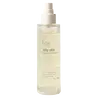
This barrier-repair moisturizer is formulated around Niacinamide and Centella Asiatica Extract to strengthen the skin barrier and hydrate skin.
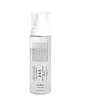
This barrier-repair toner is formulated around Panthenol and Madecassoside to strengthen the skin barrier and calm redness.

What's inside
What's inside
 Key Ingredients
Benefits
Concerns
Ingredients Side-by-side
Water
Skin ConditioningButylene Glycol
Humectant

Niacinamide
Smoothing










Glycereth-26
Humectant
Betaine
Humectant
1,2-Hexanediol
Skin Conditioning
Propanediol
Solvent
Sodium Lactate
Buffering
Gellan Gum
Glycerin
Humectant
Ethylhexylglycerin
Skin ConditioningAllantoin
Skin Conditioning
Disodium EDTA
ChelatingSaccharomyces/Panax Ginseng Flower Ferment Extract
Antioxidant


Lycopodium Clavatum Extract
Skin ConditioningEquisetum Arvense Extract
AstringentHydrogenated Lecithin
Emulsifying
Cynanchum Atratum Extract
Skin ConditioningFicus Carica Fruit Extract
Humectant
Citrus Unshiu Peel Extract
MaskingCentella Asiatica Extract
Cleansing
Sodium Hyaluronate
Humectant
Hippophae Rhamnoides Extract
MaskingCeramide NP
Skin Conditioning
Hydrolyzed Hyaluronic Acid
Humectant
Hydroxypropyl Cyclodextrin
MaskingSodium Acetylated Hyaluronate
Humectant
Glutathione
Water, Butylene Glycol, Niacinamide, Glycereth-26, Betaine, 1,2-Hexanediol, Propanediol, Sodium Lactate, Gellan Gum, Glycerin, Ethylhexylglycerin, Allantoin, Disodium EDTA, Saccharomyces/Panax Ginseng Flower Ferment Extract, Lycopodium Clavatum Extract, Equisetum Arvense Extract, Hydrogenated Lecithin, Cynanchum Atratum Extract, Ficus Carica Fruit Extract, Citrus Unshiu Peel Extract, Centella Asiatica Extract, Sodium Hyaluronate, Hippophae Rhamnoides Extract, Ceramide NP, Hydrolyzed Hyaluronic Acid, Hydroxypropyl Cyclodextrin, Sodium Acetylated Hyaluronate, Glutathione
Oryza Sativa Bran Water
Masking
1,2-Hexanediol
Skin Conditioning
Triethylhexanoin
MaskingGlycerin
Humectant
Hydrogenated Poly(C6-14 Olefin)
EmollientTocopherol
Antioxidant
Water
Skin ConditioningButylene Glycol
Humectant
Methylpropanediol
SolventPentylene Glycol
Skin Conditioning
Streptococcus Thermophilus Ferment
Humectant
Pyrus Malus Juice
Skin ConditioningPanthenol
Skin Conditioning
Hydrolyzed Hyaluronic Acid
Humectant
Polyquaternium-51
Skin Conditioning
Betaine
Humectant
Trilaureth-4 Phosphate
EmulsifyingCynanchum Atratum Extract
Skin ConditioningAlthaea Rosea Flower Extract
Skin ConditioningOryza Sativa Extract
Absorbent
Sea Salt
Abrasive
Aspergillus Ferment
Skin ConditioningSodium Phytate
ChelatingCitric Acid
Buffering
Madecassoside
Antioxidant
Hydroxypropyltrimonium Hyaluronate
Centella Asiatica Leaf Extract
Skin Conditioning
Houttuynia Cordata Extract
Skin Conditioning
Aloe Barbadensis Leaf Water
MaskingBifida Ferment Extract
Humectant
Hyaluronic Acid
Humectant
Silanetriol
Avena Sativa Kernel Extract
Abrasive
Lactobacillus Ferment
Skin Conditioning
Hydrolyzed Rice Protein
Skin ConditioningRice Amino Acids
Skin Conditioning
Oryza Sativa Bran Water, 1,2-Hexanediol, Triethylhexanoin, Glycerin, Hydrogenated Poly(C6-14 Olefin), Tocopherol, Water, Butylene Glycol, Methylpropanediol, Pentylene Glycol, Streptococcus Thermophilus Ferment, Pyrus Malus Juice, Panthenol, Hydrolyzed Hyaluronic Acid, Polyquaternium-51, Betaine, Trilaureth-4 Phosphate, Cynanchum Atratum Extract, Althaea Rosea Flower Extract, Oryza Sativa Extract, Sea Salt, Aspergillus Ferment, Sodium Phytate, Citric Acid, Madecassoside, Hydroxypropyltrimonium Hyaluronate, Centella Asiatica Leaf Extract, Houttuynia Cordata Extract, Aloe Barbadensis Leaf Water, Bifida Ferment Extract, Hyaluronic Acid, Silanetriol, Avena Sativa Kernel Extract, Lactobacillus Ferment, Hydrolyzed Rice Protein, Rice Amino Acids
Reviews
Ingredients Explained
These ingredients are found in both products.
Ingredients higher up in an ingredient list are typically present in a larger amount.
1,2-Hexanediol is a synthetic liquid and another multi-functional powerhouse.
It is a:
- Humectant, drawing moisture into the skin
- Emollient, helping to soften skin
- Solvent, dispersing and stabilizing formulas
- Preservative booster, enhancing the antimicrobial activity of other preservatives
Betaine is a humectant. Like hyaluronic acid, it helps attract and retain moisture in the skin. It’s known for being gentle and for helping the skin maintain balanced hydration.
Betaine is mainly used to improve hydration and support calmer skin. It helps skin cells regulate water balance because it functions as an osmolyte.
Some studies suggest betaine may support making skin tone more even.
Fun fact: Betaine naturally exists in the skin and the body. In cosmetic products, it can be either plant-derived (most commonly from sugar beets) or synthetically produced for consistency and stability.
Betaine is also known as trimethylglycine.
Learn more about BetaineButylene Glycol (or BG) is used within cosmetic products for a few different reasons:
Overall, Butylene Glycol is a safe and well-rounded ingredient that works well with other ingredients.
Though this ingredient works well with most skin types, some people with sensitive skin may experience a reaction such as allergic rashes, closed comedones, or itchiness.
Learn more about Butylene GlycolWe don't have a description for Cynanchum Atratum Extract yet.
Glycerin (or glycerol) is a compound naturally found in your skin. It's a powerhouse humectant that pulls water into the stratum corneum.
Topically, glycerin does several things at once:
Your skin makes glycerin on its own (mostly from sebaceous oil breakdown) and shuttles it to your outermost layer of skin, or your epidermis, via aquaporin-3.
Aquaporin-3 is a transporter that is essential for normal skin hydration, elasticity, and repair. Interestingly, mice lacking in AQP3 have dry and less elastic skin that can be fully corrected with glycerin.
This ingredient is non-irritating, plays well with almost every ingredient, and works across all skin types. Typical use is anywhere between 3-10% but can go up to 79% in some leave-on products.
Just know very high concentrations (>40%) can feel tacky in low humidity.
Glycerin is the name for this ingredient in American English. British English uses Glycerol/Glycerine.
Learn more about GlycerinHydrolyzed Hyaluronic Acid is hyaluronic acid (HA) that is broken down into lower molecular weight fragments.
It's a humectant that pulls and holds water in the skin to help with hydration, plumpness, and reduce transepidermal water loss.
Because hydrolyzed hyaluronic acid is smaller in size, it can slip past your outermost layer of skin more easily than full-sized HA.
Most formulations will combine all sizes to get the best of both worlds.
Typical usage levels range from 0.01-1%. Any percentage higher than 2% might become goopy and tacky.
Learn more about Hydrolyzed Hyaluronic AcidWater. It's the most common cosmetic ingredient of all. You'll usually see it at the top of ingredient lists, meaning that it makes up the largest part of the product.
So why is it so popular? Water most often acts as a solvent - this means that it helps dissolve other ingredients into the formulation.
You'll also recognize water as that liquid we all need to stay alive. If you see this, drink a glass of water. Remember to stay hydrated!
Learn more about Water

