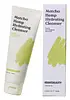
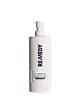
Krave Beauty Matcha Hemp Hydrating Cleanser Versus Remedy Rich Cream-To-Foam Cleanser With Ceramides For Face & Body
This mild gel cleanser is mild enough to cleanse without leaving skin feeling tight or stripped.
This mild foaming cleanser is made to cleanse without leaving your skin tight or dry.


What's inside
What's inside
 Key Ingredients
Benefits
Concerns
Ingredients Side-by-side
Camellia Sinensis Leaf Water
Masking
Water
Skin ConditioningGlycerin
Humectant


Dipropylene Glycol
HumectantCoco-Betaine
Cleansing
Coco-Glucoside
Cleansing
1,2-Hexanediol
Skin Conditioning
Butylene Glycol
Humectant
Caprylic/Capric Triglyceride
Masking
Methyl Gluceth-10
EmulsifyingXanthan Gum
EmulsifyingCellulose Gum
Emulsion StabilisingBenzyl Glycol
SolventCamellia Sinensis Leaf Powder
Sodium Polyacrylate
Absorbent
Cannabis Sativa Seed Oil
Emollient


Citric Acid
Buffering

Ethylhexylglycerin
Skin ConditioningDisodium EDTA
ChelatingSodium Chloride
MaskingPanthenol
Skin Conditioning

Sodium PCA
Humectant
Camellia Sinensis Leaf Extract
Antimicrobial



Avena Sativa Kernel Extract
Abrasive
Camellia Sinensis Leaf Water, Water, Glycerin, Dipropylene Glycol, Coco-Betaine, Coco-Glucoside, 1,2-Hexanediol, Butylene Glycol, Caprylic/Capric Triglyceride, Methyl Gluceth-10, Xanthan Gum, Cellulose Gum, Benzyl Glycol, Camellia Sinensis Leaf Powder, Sodium Polyacrylate, Cannabis Sativa Seed Oil, Citric Acid, Ethylhexylglycerin, Disodium EDTA, Sodium Chloride, Panthenol, Sodium PCA, Camellia Sinensis Leaf Extract, Avena Sativa Kernel Extract
Water
Skin ConditioningCocamidopropyl Hydroxysultaine
Cleansing
Glycerin
Humectant
Sodium Methyl Cocoyl Taurate
Cleansing
Sodium Hydroxypropyl Starch Phosphate
Abrasive
Magnesium Aluminum Silicate
Absorbent
Sodium Cocoyl Isethionate
Cleansing
Pyrus Malus Fruit Extract
Skin Conditioning
Glyceryl Stearate Se
Emulsifying


Ceramide NP
Skin Conditioning
Sodium Hyaluronate
Humectant
Panthenol
Skin Conditioning
Bisabolol
Antioxidant
Zingiber Officinale Root Extract
Masking
Curcuma Longa Root Extract
Antioxidant
Leuconostoc/Radish Root Ferment Filtrate
Antimicrobial
Glycol Distearate
Emollient
Cellulose Gum
Emulsion StabilisingHydroxypropyl Guar
Emulsion StabilisingTrisodium Ethylenediamine Disuccinate
ChelatingSodium Lauroyl Lactylate
EmulsifyingSodium PCA
Humectant
Urea
Buffering

Trehalose
Humectant
Polyquaternium-51
Skin Conditioning
Sodium Isethionate
CleansingCoconut Acid
Cleansing
Titanium Dioxide
Cosmetic Colorant

Sodium Chloride
MaskingSodium Hydroxide
BufferingHydroxyacetophenone
Antioxidant
Chlorphenesin
Antimicrobial
Phenoxyethanol
Preservative
Ethylhexylglycerin
Skin ConditioningWater, Cocamidopropyl Hydroxysultaine, Glycerin, Sodium Methyl Cocoyl Taurate, Sodium Hydroxypropyl Starch Phosphate, Magnesium Aluminum Silicate, Sodium Cocoyl Isethionate, Pyrus Malus Fruit Extract, Glyceryl Stearate Se, Ceramide NP, Sodium Hyaluronate, Panthenol, Bisabolol, Zingiber Officinale Root Extract, Curcuma Longa Root Extract, Leuconostoc/Radish Root Ferment Filtrate, Glycol Distearate, Cellulose Gum, Hydroxypropyl Guar, Trisodium Ethylenediamine Disuccinate, Sodium Lauroyl Lactylate, Sodium PCA, Urea, Trehalose, Polyquaternium-51, Sodium Isethionate, Coconut Acid, Titanium Dioxide, Sodium Chloride, Sodium Hydroxide, Hydroxyacetophenone, Chlorphenesin, Phenoxyethanol, Ethylhexylglycerin
Reviews
Ingredients Explained
These ingredients are found in both products.
Ingredients higher up in an ingredient list are typically present in a larger amount.
Cellulose Gum is a water-soluble polymer that comes from cellulose. It is used to change the texture of a product and to help stabilize emulsions.
As an emulsifier, cellulose gum specifically thicken the texture of water-based products.
This ingredient is considered hypoallergenic and non-toxic. Cellulose Gum can be found in cosmetics, food, and other household goods such as paper products.
Learn more about Cellulose GumEthylhexylglycerin is created from glycerin. It is a multitasker ingredient that:
The CIR Expert Panel found minimal skin absorption or sensitization of any kind in a safety assessment. Though this ingredient is considered well-tolerated, a small number of cases of allergic dermatitis have been published since 2002. Just be sure to patch test if you are unsure.
Industry-reported use ranges from 8% in rinse-off products and 2% in leave-on formulations.
Learn more about EthylhexylglycerinGlycerin (or glycerol) is a compound naturally found in your skin. It's a powerhouse humectant that pulls water into the stratum corneum.
Topically, glycerin does several things at once:
Your skin makes glycerin on its own (mostly from sebaceous oil breakdown) and shuttles it to your outermost layer of skin, or your epidermis, via aquaporin-3.
Aquaporin-3 is a transporter that is essential for normal skin hydration, elasticity, and repair. Interestingly, mice lacking in AQP3 have dry and less elastic skin that can be fully corrected with glycerin.
This ingredient is non-irritating, plays well with almost every ingredient, and works across all skin types. Typical use is anywhere between 3-10% but can go up to 79% in some leave-on products.
Just know very high concentrations (>40%) can feel tacky in low humidity.
Glycerin is the name for this ingredient in American English. British English uses Glycerol/Glycerine.
Learn more about GlycerinPanthenol is a common ingredient that helps hydrate and soothe the skin. It is found naturally in our skin and hair.
There are two forms of panthenol: D and L.
D-panthenol is also known as dexpanthenol. Most cosmetics use dexpanthenol or a mixture of D and L-panthenol.
Panthenol is famous due to its ability to go deeper into the skin's layers. Using this ingredient has numerous pros (and no cons):
Like hyaluronic acid, panthenol is a humectant. Humectants are able to bind and hold large amounts of water to keep skin hydrated.
This ingredient works well for wound healing. It works by increasing tissue in the wound and helps close open wounds.
Once oxidized, panthenol converts to pantothenic acid. Panthothenic acid is found in all living cells.
This ingredient is also referred to as pro-vitamin B5.
Learn more about PanthenolChances are, you eat sodium chloride every day. Sodium Chloride is also known as table salt. This ingredient has many purposes in skincare: thickener, emulsifier, and exfoliator.
You'll most likely find this ingredient in cleansers where it is used to create a gel-like texture. As an emulsifier, it also prevents ingredients from separating.
You might see people debate whether Sodium Chloride is comedogenic, but there actually haven't been any comedogenic tests done on it. Either way, the overall formulation of a product matters a lot more than any single ingredient.
You might see this ingredient used in scrubs as a primary exfoliating ingredient.
Learn more about Sodium ChlorideSodium PCA (the salt of PCA) is one of the most well-established humectants in skincare.
Why is it so special? Your skin already makes it naturally; it's a natural component of your skin's Natural Moisturizing Factor (NMF), or the mix of water-binding compounds inside your skin cells that keeps things soft and hydrated.
As a cosmetic ingredient, it grabs water and holds it in the upper layers of skin to smooth roughness and ease dehydration.
There's some clinical support for the NMF approach with a study showing that a cream built to mimic the skin's NMF significantly boosted hydration.
Safety-wise, this ingredient non-irritating, non-comedogenic, and non-phototoxic in testing, with minimal skin absorption.
It also works really well with other hydrators like glycerin or hyaluronic acid, and typical usage is somewhere between 0.2-4%.
Learn more about Sodium PCAWater. It's the most common cosmetic ingredient of all. You'll usually see it at the top of ingredient lists, meaning that it makes up the largest part of the product.
So why is it so popular? Water most often acts as a solvent - this means that it helps dissolve other ingredients into the formulation.
You'll also recognize water as that liquid we all need to stay alive. If you see this, drink a glass of water. Remember to stay hydrated!
Learn more about Water

