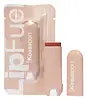
This barrier-repair lip moisturizer is formulated around Ricinus Communis Seed Oil and Caprylic/Capric Triglyceride to strengthen the lip barrier and hydrate lips.
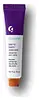
This lip moisturizer is formulated around Petrolatum and Ricinus Communis Seed Oil to hydrate lips.

What's inside
What's inside
 Key Ingredients
Benefits
Concerns
Ingredients Side-by-side
Ricinus Communis Seed Oil
Masking




Caprylic/Capric Triglyceride
Masking

Euphorbia Cerifera Cera
Astringent
Bis-Diglyceryl Polyacyladipate-2
Emollient
Mica
Cosmetic ColorantSilica
Abrasive


Octyldodecanol
Emollient
Lanolin Oil
Emollient

Jojoba Esters
Emollient
Pentaerythrityl Tetraethylhexanoate
Emollient
Helianthus Annuus Seed Cera
Emollient
Beeswax
Emulsion Stabilising
Copernicia Cerifera Wax
Camellia Oleifera Seed Oil
Skin Conditioning
Theobroma Cacao Seed Butter
Emollient
Vitis Vinifera Seed Oil
Emollient
Acacia Decurrens Flower Cera
Emollient
Butyrospermum Parkii Butter
Skin Conditioning
Caprylyl Glycol
Emollient
Carthamus Tinctorius Seed Oil
Masking
Ethylhexyl Palmitate
Emollient
Ethylhexylglycerin
Skin ConditioningGlucomannan
Skin ConditioningHelianthus Annuus Extract
Emollient
Mangifera Indica Seed Butter
Skin Conditioning
Mentha Arvensis Leaf Oil
Masking
Oryza Sativa Bran Extract
Skin Conditioning
Persea Gratissima Oil
Skin Conditioning
Polyglycerin-3
Humectant
Rosa Canina Fruit Oil
Emollient
Rosmarinus Officinalis Leaf Extract
AntimicrobialSimmondsia Chinensis Seed Oil
Emollient
Sodium Hyaluronate
Humectant

Tocopherol
Antioxidant



Tocopheryl Acetate
Antioxidant
Trihydroxystearin
Skin Conditioning
Limonene
Perfuming
CI 77891
Cosmetic ColorantCI 15850
Cosmetic ColorantCI 77491
Cosmetic ColorantCI 77492
Cosmetic ColorantCI 77499
Cosmetic ColorantCI 73360
Cosmetic ColorantRicinus Communis Seed Oil, Caprylic/Capric Triglyceride, Euphorbia Cerifera Cera, Bis-Diglyceryl Polyacyladipate-2, Mica, Silica, Octyldodecanol, Lanolin Oil, Jojoba Esters, Pentaerythrityl Tetraethylhexanoate, Helianthus Annuus Seed Cera, Beeswax, Copernicia Cerifera Wax, Camellia Oleifera Seed Oil, Theobroma Cacao Seed Butter, Vitis Vinifera Seed Oil, Acacia Decurrens Flower Cera, Butyrospermum Parkii Butter, Caprylyl Glycol, Carthamus Tinctorius Seed Oil, Ethylhexyl Palmitate, Ethylhexylglycerin, Glucomannan, Helianthus Annuus Extract, Mangifera Indica Seed Butter, Mentha Arvensis Leaf Oil, Oryza Sativa Bran Extract, Persea Gratissima Oil, Polyglycerin-3, Rosa Canina Fruit Oil, Rosmarinus Officinalis Leaf Extract, Simmondsia Chinensis Seed Oil, Sodium Hyaluronate, Tocopherol, Tocopheryl Acetate, Trihydroxystearin, Limonene, CI 77891, CI 15850, CI 77491, CI 77492, CI 77499, CI 73360
Petrolatum
Emollient
Ricinus Communis Seed Oil
Masking
Beeswax
Emulsion Stabilising
Lanolin
Emollient
Aroma

Theobroma Grandiflorum Seed Butter
Skin Conditioning
Oryza Sativa Bran Extract
Skin Conditioning
Helianthus Annuus Extract
Emollient
Rosmarinus Officinalis Leaf Extract
AntimicrobialTocopheryl Acetate
Antioxidant
Tocopherol
Antioxidant
BHT
Antioxidant
CI 17200
Cosmetic ColorantCI 42090
Cosmetic ColorantCI 77499
Cosmetic Colorant
Reviews
Ingredients Explained
These ingredients are found in both products.
Ingredients higher up in an ingredient list are typically present in a larger amount.
Beeswax is natural wax produced by honey bees to build their honeycomb.
Because it forms a protective layer on your skin, it can help lock in moisture and reduce water loss. It is also widely used as a thickener and emulsifier in lip balms and lotions. Research suggests beeswax containing moisturizers can support skin barrier integrity.
In comedogenic testing, Beeswax scored a 0-2, which is on the low end. Whether or not a product clogs your pores really comes down to the formula as a whole (not any single ingredient on its own) and your skin.
Cera Alba is the white, bleached form of this ingredient.
Just so you know, beeswax is not vegan since it is animal-derived. It cannot be removed with water, but can be taken off with an oil cleanser.
People with a known Propolis allergy also report to have reactions from beeswax.
Beeswax's wax esters are derived primarily from palmitic and oleic acid (C16 and C18:1). Both of these fall within the C11-C24 feeding window.
The Malassezia yeast can potentially cleave these esters and release usable fatty acids, so this ingredient may not be fungal acne safe. However, not everyone will react to this ingredient.
Learn more about BeeswaxCi 77499 is also hydrated iron III oxide. It is created from mixing red and black iron oxides. This helps give shades of darkness to a product.
Iron III oxides are classified as inorganic chemicals for coloring.
Helianthus Annuus Extract comes from the common sunflower.
Sunflowers are rich in vitamin E. Studies show sunflowers contain antimicrobial and antioxidant properties.
The fatty acids found in sunflowers include (from highest amount to least): linoleic acid, myristic acid, palmitic acid, stearic acid, arachidic acid, oleic acid, and linolenic acid.
These fatty acids hydrate your skin. Emollients create a film on the skin to prevent moisture from escaping.
Learn more about Helianthus Annuus ExtractOryza Sativa Bran Extract comes from the outer layer of a rice kernel. It is a byproduct of milling rice, or the operation to produce a whole grain rice product.
This ingredient has moisturizing properties due to its components of polysaccharides and omega-3 fatty acids. It also contains calcium, selenium, phosphorus, iron, and zinc.
Oryza Sativa Bran Extract contains numerous antioxidants such as ferulic acid. Antioxidants help fight free-radical molecules. Free-radical molecules are capable of damaging our cells and other genetic material.
Learn more about Oryza Sativa Bran ExtractThis ingredient is also known as castor oil. It is a skin conditioning ingredient.
The star component of castor oil is ricinoleic acid, an unusual fatty acid that makes up ~80-92% of its composition.
In skincare, it is an emollient that dries down to a solid film with water-binding properties. This helps keep skin hydrated and helps reduce transepidermal water loss (TEWL).
A 2026 dermatology review pulls together its broader uses:
Human clinical testing found this ingredient to be non-irritating and non-sensitizing.
Because castor oil contains fatty acids in the C11-24 range, this ingredient may not be fungal acne safe.
At this time, the literature does not support castor oil in regrowing hair. A 2022 systematic review found no strong evidence that it supports hair growth and only weak evidence that it improves hair shine.
Castor oil itself carries "perfuming" and "masking" function tags according to the official CosIng database. This is because of its mild odor and odor-dampening properties.
Learn more about Ricinus Communis Seed OilThis is a botanical extract from the rosemary plant (the same one you cook with). In skincare, it mostly works as a skin conditioning agent.
Its activity comes from a handful of polyphenols, carnosic acid, carnosol, and rosmarinic acid. Almost 90% of the antioxidant activity of this ingredient can be attributed to canosol and carnosic acid.
These compounds protect your skin two ways:
1) They fight off free radicals, or the unstable molecules from things like sun and pollution that age and damage skin.
2) They help calm inflammation by switching off the chemical signals that tell skin to get red and irritated.
Lab studies also suggest that rosmarinic acid may help protect collagen and slow sugar-related damage to it.
The Cosmetic Ingredient Review has concluded rosemary-derived ingredients to be safe when formulated to be non-sensitizing.
Rosemary can occasionally cause allergic contact dermatitis (due to carnosol), so be sure to patch test if you have reactive or fragrance-sensitive skin.
Learn more about Rosmarinus Officinalis Leaf ExtractTocopherol is a fat-soluble antioxidant known as Vitamin E.
You'll find this ingredient in the vast majority of skincare (for good reason). It works to neutralize free radicals, or unstable molecules generated by UV exposure, pollution, and other environmental stressors, before they can cause oxidative damage to your skin cells.
Topically applied tocopherol has been shown to protect against UV damage by ramping up the skin's own natural defense enzymes.
It also acts as a skin conditioning agent; some studies show that regular topical use can improve the skin's water-binding capacity over 2-4 weeks.
This ingredient is especially loved for being a team player. When combined with Vitamin C, the photoprotective effect of both ingredients roughly doubles and the combo also helps reduce UV-induced DNA damage.
This ingredient has some brightening potential but it's more of a prevention ingredient than spot-fader. Cell studies show it can slow down melanin production but it's worth noting that it's not the most powerful brightener out there.
In formulations, it also serves as a stabilizer that helps protect other oxidation-prone ingredients from degrading.
Concentrations usually range from 0.1-1% in most leave-on products.
Learn more about TocopherolTocopheryl Acetate is a stable, shelf-friendly form of vitamin E.
Formulators love it because plain vitamin E oxidizes quickly once it hits air. This acetate version stays stable and resists going off, helping to extend a product's shelf life.
It's actually inactive on its own and works like a slow-release "storage" form; the enzymes in your skin called esterases gradually convert it into active vitamin E over time.
One in vivo study showed 5% of the acetate in the living layer of the epidermis converted to vitamin E after 5 days of application. This study also found the skin gained protection against UV damage even though the conversion was slow and small.
Once converted, vitamin E acts as a skin's main fat-soluble antioxidant that fights free radicals to protect skin from damage.
Topical vitamin E generally boosts the skin's photoprotection, and it reduced UV-damage in animal models.
This ingredient has some brightening potential but it's more of a prevention ingredient than spot-fader. Cell studies show it can slow down melanin production but it's worth noting that it's not the most powerful brightener out there.
Overall, it has a pretty solid safety profile and has been found to be non-irritating and non-comedogenic. Allergic reactions may happen but stay rare due to how widely the ingredient gets used.
The concentration will vary depending on the formula; industry data shows 0.1% in baby lotions, 3% in lipsticks, and 5% in foot powders. You can also find this ingredient at 100% in a pure vitamin E oil.
Most leave-on skincare keeps it at the lower end, often between 0.5-1%.
Learn more about Tocopheryl Acetate

