This mild gel cleanser is made to cleanse without leaving your skin tight or dry.
This mild gel cleanser is made to cleanse without leaving your skin tight or dry.


What's inside
What's inside
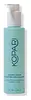 Key Ingredients
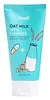
Benefits
Concerns
Ingredients Side-by-side
Water
Skin ConditioningSodium Cocoyl Isethionate
Cleansing
Glycerin
Humectant


Decyl Glucoside
Cleansing
Lauramidopropyl Betaine
CleansingPotassium Cocoyl Glycinate
Surfactant
Acrylates Copolymer
1,2-Hexanediol
Skin Conditioning
Sodium Chloride
MaskingArginine
Masking
Parfum
Masking




Dipropylene Glycol
HumectantHydroxyacetophenone
Antioxidant
Xanthan Gum
EmulsifyingButylene Glycol
Humectant
Caprylyl Glycol
Emollient
Ethylhexylglycerin
Skin ConditioningOlea Europaea Fruit Oil
Masking


Panthenol
Skin Conditioning

Spirulina Platensis Powder
Skin ProtectingDisodium EDTA
ChelatingPentylene Glycol
Skin Conditioning
Laminaria Japonica Extract
Skin Protecting
Gelidium Cartilagineum Extract
Skin ProtectingUndaria Pinnatifida Extract
Skin ConditioningHizikia Fusiforme Extract
Skin Conditioning
Hyaluronic Acid
Humectant

Hydrolyzed Hyaluronic Acid
Humectant
Sodium Hyaluronate
Humectant
Water, Sodium Cocoyl Isethionate, Glycerin, Decyl Glucoside, Lauramidopropyl Betaine, Potassium Cocoyl Glycinate, Acrylates Copolymer, 1,2-Hexanediol, Sodium Chloride, Arginine, Parfum, Dipropylene Glycol, Hydroxyacetophenone, Xanthan Gum, Butylene Glycol, Caprylyl Glycol, Ethylhexylglycerin, Olea Europaea Fruit Oil, Panthenol, Spirulina Platensis Powder, Disodium EDTA, Pentylene Glycol, Laminaria Japonica Extract, Gelidium Cartilagineum Extract, Undaria Pinnatifida Extract, Hizikia Fusiforme Extract, Hyaluronic Acid, Hydrolyzed Hyaluronic Acid, Sodium Hyaluronate
Water
Skin ConditioningGlycerin
Humectant
Lauryl Hydroxysultaine
CleansingSodium Methyl Cocoyl Taurate
Cleansing
Sodium Cocoyl Alaninate
Surfactant
Acrylates/C10-30 Alkyl Acrylate Crosspolymer
Emulsion StabilisingAvena Sativa Kernel Extract
Abrasive
Avena Sativa Kernel Flour
Abrasive
Hydrolyzed Hyaluronic Acid
Humectant
Coffea Arabica Seed Extract
Masking
Panthenol
Skin Conditioning
Quillaja Saponaria Bark Extract
CleansingAdansonia Digitata Seed Oil
Emollient
Cyanocobalamin
Skin ConditioningCaprylyl Glycol
Emollient
Coco-Glucoside
Cleansing
Glyceryl Caprylate
EmollientSodium Cocoyl Isethionate
Cleansing
Citric Acid
Buffering

Butylene Glycol
Humectant
Styrene/Acrylates Copolymer
1,2-Hexanediol
Skin Conditioning
Disodium EDTA
ChelatingParfum
Masking
Water, Glycerin, Lauryl Hydroxysultaine, Sodium Methyl Cocoyl Taurate, Sodium Cocoyl Alaninate, Acrylates/C10-30 Alkyl Acrylate Crosspolymer, Avena Sativa Kernel Extract, Avena Sativa Kernel Flour, Hydrolyzed Hyaluronic Acid, Coffea Arabica Seed Extract, Panthenol, Quillaja Saponaria Bark Extract, Adansonia Digitata Seed Oil, Cyanocobalamin, Caprylyl Glycol, Coco-Glucoside, Glyceryl Caprylate, Sodium Cocoyl Isethionate, Citric Acid, Butylene Glycol, Styrene/Acrylates Copolymer, 1,2-Hexanediol, Disodium EDTA, Parfum
Reviews
Ingredients Explained
These ingredients are found in both products.
Ingredients higher up in an ingredient list are typically present in a larger amount.
1,2-Hexanediol is a synthetic liquid and another multi-functional powerhouse.
It is a:
- Humectant, drawing moisture into the skin
- Emollient, helping to soften skin
- Solvent, dispersing and stabilizing formulas
- Preservative booster, enhancing the antimicrobial activity of other preservatives
Butylene Glycol (or BG) is used within cosmetic products for a few different reasons:
Overall, Butylene Glycol is a safe and well-rounded ingredient that works well with other ingredients.
Though this ingredient works well with most skin types, some people with sensitive skin may experience a reaction such as allergic rashes, closed comedones, or itchiness.
Learn more about Butylene GlycolCaprylyl Glycol is a humectant, skin conditioner, emollient, and preservative booster derived from either caprylic acid or synthetically created.
Typical use levels vary from 0.3-1% as a preservative booster and go up to 2% to condition skin.
Because it is not a free-fatty acid, this ingredient is fungal acne safe (there's nothing for Malassezia to feed on).
Learn more about Caprylyl GlycolDisodium EDTA is a chelating agent. It grabs onto and deactivates metal ions that sneak into your products from water, packaging, or air.
This ingredient mainly works behind the scenes and helps with:
On top of that, this ingredient can counteract the effects of hard water by binding to the minerals in it.
One thing worth knowing is that Disodium EDTA has been shown to be a mild penetration enhancer. It can help other ingredients absorb into skin more effectively which can be a double-edged sword (great for actives, but can also make the active too strong if you have sensitive skin).
Clinical patch testing showed no significant skin irritation at typical use concentrations and minimal dermal absorption.
You'll most likely see this ingredient near the end of an ingredient list. It's typically found in concentrations less than 1%.
Learn more about Disodium EDTAGlycerin (or glycerol) is a compound naturally found in your skin. It's a powerhouse humectant that pulls water into the stratum corneum.
Topically, glycerin does several things at once:
Your skin makes glycerin on its own (mostly from sebaceous oil breakdown) and shuttles it to your outermost layer of skin, or your epidermis, via aquaporin-3.
Aquaporin-3 is a transporter that is essential for normal skin hydration, elasticity, and repair. Interestingly, mice lacking in AQP3 have dry and less elastic skin that can be fully corrected with glycerin.
This ingredient is non-irritating, plays well with almost every ingredient, and works across all skin types. Typical use is anywhere between 3-10% but can go up to 79% in some leave-on products.
Just know very high concentrations (>40%) can feel tacky in low humidity.
Glycerin is the name for this ingredient in American English. British English uses Glycerol/Glycerine.
Learn more about GlycerinHydrolyzed Hyaluronic Acid is hyaluronic acid (HA) that is broken down into lower molecular weight fragments.
It's a humectant that pulls and holds water in the skin to help with hydration, plumpness, and reduce transepidermal water loss.
Because hydrolyzed hyaluronic acid is smaller in size, it can slip past your outermost layer of skin more easily than full-sized HA.
Most formulations will combine all sizes to get the best of both worlds.
Typical usage levels range from 0.01-1%. Any percentage higher than 2% might become goopy and tacky.
Learn more about Hydrolyzed Hyaluronic AcidPanthenol is a common ingredient that helps hydrate and soothe the skin. It is found naturally in our skin and hair.
There are two forms of panthenol: D and L.
D-panthenol is also known as dexpanthenol. Most cosmetics use dexpanthenol or a mixture of D and L-panthenol.
Panthenol is famous due to its ability to go deeper into the skin's layers. Using this ingredient has numerous pros (and no cons):
Like hyaluronic acid, panthenol is a humectant. Humectants are able to bind and hold large amounts of water to keep skin hydrated.
This ingredient works well for wound healing. It works by increasing tissue in the wound and helps close open wounds.
Once oxidized, panthenol converts to pantothenic acid. Panthothenic acid is found in all living cells.
This ingredient is also referred to as pro-vitamin B5.
Learn more about PanthenolParfum is a catch-all term for an ingredient or more that is used to give a scent to products.
Also called "fragrance", this ingredient can be a blend of hundreds of chemicals or plant oils. This means every product with "fragrance" or "parfum" in the ingredients list is a different mixture.
For instance, Habanolide is a proprietary trade name for a specific aroma chemical. When used as a fragrance ingredient in cosmetics, most aroma chemicals fall under the broad labeling category of “FRAGRANCE” or “PARFUM” according to EU and US regulations.
The term 'parfum' or 'fragrance' is not regulated in many countries. In many cases, it is up to the brand to define this term.
For instance, many brands choose to label themselves as "fragrance-free" because they are not using synthetic fragrances. However, their products may still contain ingredients such as essential oils that are considered a fragrance by INCI standards.
One example is Calendula flower extract. Calendula is an essential oil that still imparts a scent or 'fragrance'.
Depending on the blend, the ingredients in the mixture can cause allergies and sensitivities on the skin. Some ingredients that are known EU allergens include linalool and citronellol.
Parfum can also be used to mask or cover an unpleasant scent.
The bottom line is: not all fragrances/parfum/ingredients are created equally. If you are worried about fragrances, we recommend taking a closer look at an ingredient. And of course, we always recommend speaking with a professional.
Learn more about ParfumSodium cocoyl isethionate is a natural ingredient from coconut oil. It is an ultra gentle cleanser that gives a nice foam without drying the skin or impacting the skin barrier.
The amount of foam created depends on the amount of sodium cocoyl isethionate used in the product.
This ingredient also helps improve the spreadability of a product.
This ingredient hasn’t been shown in studies to feed fungal acne yeast.
Learn more about Sodium Cocoyl IsethionateWater. It's the most common cosmetic ingredient of all. You'll usually see it at the top of ingredient lists, meaning that it makes up the largest part of the product.
So why is it so popular? Water most often acts as a solvent - this means that it helps dissolve other ingredients into the formulation.
You'll also recognize water as that liquid we all need to stay alive. If you see this, drink a glass of water. Remember to stay hydrated!
Learn more about Water

