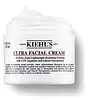
This barrier-repair moisturizer is formulated around Squalane and Pseudoalteromonas Ferment Extract to strengthen the skin barrier and hydrate skin.
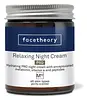
This night moisturizer is formulated around Butyrospermum Parkii Butter to hydrate skin.


What's inside
What's inside
 Key Ingredients
Benefits
Concerns
Ingredients Side-by-side
Water
Skin ConditioningGlycerin
Humectant


Dimethicone
Emollient
Squalane
Emollient
Bis-PEG-18 Methyl Ether Dimethyl Silane
EmollientSucrose Stearate
EmollientStearyl Alcohol
Emollient


PEG-8 Stearate
Emulsifying

Myristyl Myristate
Emollient
Prunus Armeniaca Kernel Oil
Masking
Phenoxyethanol
Preservative
Persea Gratissima Oil
Skin Conditioning
Glyceryl Stearate
Emollient
Cetyl Alcohol
Emollient
Oryza Sativa Bran Oil
Emollient

Olea Europaea Fruit Oil
Masking
Chlorphenesin
Antimicrobial
Stearic Acid
Cleansing
Palmitic Acid
Emollient
Carbomer
Emulsion StabilisingAcrylates/C10-30 Alkyl Acrylate Crosspolymer
Emulsion StabilisingTrisodium Ethylenediamine Disuccinate
Prunus Amygdalus Dulcis Oil
Skin Conditioning
Xanthan Gum
EmulsifyingEthylhexylglycerin
Skin ConditioningSodium Hydroxide
BufferingTocopherol
Antioxidant



Glycine Soja Oil
Emollient
Pseudoalteromonas Ferment Extract
Humectant
Myristic Acid
Cleansing
Hydroxypalmitoyl Sphinganine
Skin Conditioning
Salicylic Acid
Masking






Helianthus Annuus Seed Oil
Emollient
Rosmarinus Officinalis Leaf Extract
AntimicrobialCitric Acid
Buffering
Water, Glycerin, Dimethicone, Squalane, Bis-PEG-18 Methyl Ether Dimethyl Silane, Sucrose Stearate, Stearyl Alcohol, PEG-8 Stearate, Myristyl Myristate, Prunus Armeniaca Kernel Oil, Phenoxyethanol, Persea Gratissima Oil, Glyceryl Stearate, Cetyl Alcohol, Oryza Sativa Bran Oil, Olea Europaea Fruit Oil, Chlorphenesin, Stearic Acid, Palmitic Acid, Carbomer, Acrylates/C10-30 Alkyl Acrylate Crosspolymer, Trisodium Ethylenediamine Disuccinate, Prunus Amygdalus Dulcis Oil, Xanthan Gum, Ethylhexylglycerin, Sodium Hydroxide, Tocopherol, Glycine Soja Oil, Pseudoalteromonas Ferment Extract, Myristic Acid, Hydroxypalmitoyl Sphinganine, Salicylic Acid, Helianthus Annuus Seed Oil, Rosmarinus Officinalis Leaf Extract, Citric Acid
Water
Skin ConditioningGlycerin
Humectant
Cetyl Alcohol
Emollient
Aleurites Moluccanus Seed Oil
Skin Conditioning
Glyceryl Stearate Se
Emulsifying
Butyrospermum Parkii Butter
Skin Conditioning
Stearic Acid
Cleansing
Ricinus Communis Seed Oil
Masking
Adansonia Digitata Seed Oil
Emollient
Caprooyl Tetrapeptide-3
Skin Protecting
Oryza Sativa Bran Oil
Emollient
Sodium Anisate
AntimicrobialSodium Levulinate
Skin ConditioningGlyceryl Caprylate
EmollientTocopherol
Antioxidant
Phospholipids
Skin Conditioning
Cetyl Hydroxyethylcellulose
Emulsion StabilisingMelatonin
Antioxidant
Persea Gratissima Oil
Skin Conditioning
Lactobacillus Ferment
Skin Conditioning
Xanthan Gum
EmulsifyingLavandula Angustifolia Flower/Leaf/Stem Oil
Humectant
Geranyl Linalool 0.045%
Perfuming
Water, Glycerin, Cetyl Alcohol, Aleurites Moluccanus Seed Oil, Glyceryl Stearate Se, Butyrospermum Parkii Butter, Stearic Acid, Ricinus Communis Seed Oil, Adansonia Digitata Seed Oil, Caprooyl Tetrapeptide-3, Oryza Sativa Bran Oil, Sodium Anisate, Sodium Levulinate, Glyceryl Caprylate, Tocopherol, Phospholipids, Cetyl Hydroxyethylcellulose, Melatonin, Persea Gratissima Oil, Lactobacillus Ferment, Xanthan Gum, Lavandula Angustifolia Flower/Leaf/Stem Oil, Geranyl Linalool 0.045%
Reviews
Ingredients Explained
These ingredients are found in both products.
Ingredients higher up in an ingredient list are typically present in a larger amount.
Cetyl Alcohol is a fatty alcohol. Fatty Alcohols are most often used as an emollient or to thicken a product.
Its main roles are:
Though it has "alcohol" in the name, it is not related to denatured alcohol or ethyl alcohol.
The FDA allows products labeled "alcohol-free" to have fatty alcohols.
This ingredient may not be fungal acne safe. It is a primary fatty alcohol with a chain length above 12 carbons. A study from 2019 show Malassezia can feed on fatty alcohols in this range, so it may trigger fungal acne in those prone to it.
Learn more about Cetyl AlcoholGlycerin (or glycerol) is a compound naturally found in your skin. It's a powerhouse humectant that pulls water into the stratum corneum.
Topically, glycerin does several things at once:
Your skin makes glycerin on its own (mostly from sebaceous oil breakdown) and shuttles it to your outermost layer of skin, or your epidermis, via aquaporin-3.
Aquaporin-3 is a transporter that is essential for normal skin hydration, elasticity, and repair. Interestingly, mice lacking in AQP3 have dry and less elastic skin that can be fully corrected with glycerin.
This ingredient is non-irritating, plays well with almost every ingredient, and works across all skin types. Typical use is anywhere between 3-10% but can go up to 79% in some leave-on products.
Just know very high concentrations (>40%) can feel tacky in low humidity.
Glycerin is the name for this ingredient in American English. British English uses Glycerol/Glycerine.
Learn more about GlycerinThis oil comes from the outer layer (bran) of rice grains. It is packed with skin-friendly fatty acids to soften and condition the skin while supporting your moisture barrier.
What makes it stand out from other plant oils is its naturally high concentration of gamma-oryzanol, a potent antioxidant. This antioxidant has shown some UV-absorptive properties in research.
Other antioxidants found in this oil include tocopherols, tocotrienols, and ferulic acid.
According to manufacturers, this oil has a lightweight texture that absorbs nicely.
The CIR (Cosmetic Ingredient Review) has concluded this ingredient to be safe as used in cosmetics and it has not shown to be a skin sensitizer in testing (unless you have a known rice allergy).
Due to the fatty acids (primarily Oleic Acid ~40%, Linoleic Acid ~30%, and some Palmitic Acid), this ingredient may not be fungal acne safe.
Learn more about Oryza Sativa Bran OilThis ingredient is also known as Avocado oil. It's the cold-pressed oil from the flesh of the avocado fruit packed with fatty acids (mostly oleic acid).
The rich fatty acid profile allows it to function as a skin conditioning agent and emollient; it helps soften and smooth skin while reducing water loss.
Preclinical research has found that topical avocado oil increased collagen synthesis and reduced inflammation during wound healing, giving it some skin-repairing credibility.
The unsaponifiable fraction of the oil is also interesting: studies on avocado unsaponifiables showed that it helped skin produce more collagen and other structural compounds that support healing.
The CIR Expert Panel has found this ingredient to be non-irritating in formulations.
It's a great ingredient for dry or compromised skin. Just know it may not be fungal acne safe. This is because the oleic acid content falls within the range that Malassezia can use as a food source.
Learn more about Persea Gratissima OilStearic Acid is a fatty acid that is already found in your skin. It's one of the free fatty acids that works alongside ceramides and cholesterols to maintain your barrier.
In cosmetics, it is a multitasker:
Safety-wise, the CIR Expert Panel has concluded it to be safe in cosmetics when formulated to be non-irritating and non-sensitizing.
Free stearic acid is a C18 fatty acid that the Malassezia yeast can substrate, so this ingredient may not be fungal acne safe.
Learn more about Stearic AcidTocopherol is a fat-soluble antioxidant known as Vitamin E.
You'll find this ingredient in the vast majority of skincare (for good reason). It works to neutralize free radicals, or unstable molecules generated by UV exposure, pollution, and other environmental stressors, before they can cause oxidative damage to your skin cells.
Topically applied tocopherol has been shown to protect against UV damage by ramping up the skin's own natural defense enzymes.
It also acts as a skin conditioning agent; some studies show that regular topical use can improve the skin's water-binding capacity over 2-4 weeks.
This ingredient is especially loved for being a team player. When combined with Vitamin C, the photoprotective effect of both ingredients roughly doubles and the combo also helps reduce UV-induced DNA damage.
This ingredient has some brightening potential but it's more of a prevention ingredient than spot-fader. Cell studies show it can slow down melanin production but it's worth noting that it's not the most powerful brightener out there.
In formulations, it also serves as a stabilizer that helps protect other oxidation-prone ingredients from degrading.
Concentrations usually range from 0.1-1% in most leave-on products.
Learn more about TocopherolWater. It's the most common cosmetic ingredient of all. You'll usually see it at the top of ingredient lists, meaning that it makes up the largest part of the product.
So why is it so popular? Water most often acts as a solvent - this means that it helps dissolve other ingredients into the formulation.
You'll also recognize water as that liquid we all need to stay alive. If you see this, drink a glass of water. Remember to stay hydrated!
Learn more about WaterXanthan gum is used as a stabilizer and thickener within cosmetic products. It helps give products a sticky, thick feeling - preventing them from being too runny.
On the technical side of things, xanthan gum is a polysaccharide - a combination consisting of multiple sugar molecules bonded together.
Xanthan gum is a pretty common and great ingredient. It is a natural, non-toxic, non-irritating ingredient that is also commonly used in food products.
Learn more about Xanthan Gum

