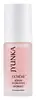
This hydrating serum is formulated around Sodium Hyaluronate to hydrate skin and strengthen the skin barrier.
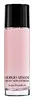
This anti-aging serum is formulated around Adenosine to soften the look of wrinkles.


What's inside
What's inside
 Key Ingredients
Benefits
Concerns
Ingredients Side-by-side
Water
Skin ConditioningGlycerin
Humectant


Propylene Glycol
Humectant

PEG-40 Hydrogenated Castor Oil
Emulsifying

Phenoxyethanol
Preservative
Butylene Glycol
Humectant
Caprylyl Glycol
Emollient
Chlorphenesin
Antimicrobial
Pvp
Emulsion StabilisingPentylene Glycol
Skin Conditioning
Sodium Hyaluronate
Humectant


Hydroxyethylcellulose
Emulsion StabilisingParfum
Masking


Sodium Bicarbonate
Abrasive
Xanthan Gum Crosspolymer
Skin ConditioningTetrasodium EDTA
ChelatingAcrylates/C10-30 Alkyl Acrylate Crosspolymer
Emulsion StabilisingCitric Acid
Buffering

Sodium Hydroxide
BufferingDisodium Phosphate
BufferingPolysorbate 60
Emulsifying
CI 14700
Cosmetic ColorantSodium Phosphate
BufferingWater, Glycerin, Propylene Glycol, PEG-40 Hydrogenated Castor Oil, Phenoxyethanol, Butylene Glycol, Caprylyl Glycol, Chlorphenesin, Pvp, Pentylene Glycol, Sodium Hyaluronate, Hydroxyethylcellulose, Parfum, Sodium Bicarbonate, Xanthan Gum Crosspolymer, Tetrasodium EDTA, Acrylates/C10-30 Alkyl Acrylate Crosspolymer, Citric Acid, Sodium Hydroxide, Disodium Phosphate, Polysorbate 60, CI 14700, Sodium Phosphate
Water
Skin ConditioningGlycerin
Humectant
Propylene Glycol
Humectant
Dipropylene Glycol
HumectantCitrus Grandis
Butylene Glycol
Humectant
PEG-20
HumectantPEG/PPG/Polybutylene Glycol-8/5/3 Glycerin
HumectantTamarindus Indica Seed Polysaccharide
Skin ConditioningMyrothamnus Flabellifolia Leaf Extract
EmollientPPG-26-Buteth-26
Skin ConditioningPEG-40 Hydrogenated Castor Oil
Emulsifying
Bis-PEG-18 Methyl Ether Dimethyl Silane
EmollientPotassium Chloride
Trehalose
Humectant
Methyl Gluceth-20
Humectant
Methylsilanol Mannuronate
Skin ConditioningSodium Hyaluronate
Humectant
Sodium Lactate
Buffering
Rhamnose
HumectantAdenosine
Skin Conditioning
Magnesium Sulfate
Ammonium Acryloyldimethyltaurate/Vp Copolymer
Disodium Phosphate
BufferingTetrasodium EDTA
ChelatingCitric Acid
Buffering
Biosaccharide Gum-1
Humectant
Xanthan Gum
EmulsifyingT-Butyl Alcohol
Perfuming

BHT
Antioxidant
Tocopherol
Antioxidant

Sorbic Acid
Preservative
Phenoxyethanol
Preservative
Chlorphenesin
Antimicrobial
CI 14700
Cosmetic ColorantCI 15985
Cosmetic ColorantLinalool
Perfuming
Hexyl Cinnamal
Perfuming
Benzyl Salicylate
Perfuming
Parfum
Masking
Water, Glycerin, Propylene Glycol, Dipropylene Glycol, Citrus Grandis, Butylene Glycol, PEG-20, PEG/PPG/Polybutylene Glycol-8/5/3 Glycerin, Tamarindus Indica Seed Polysaccharide, Myrothamnus Flabellifolia Leaf Extract, PPG-26-Buteth-26, PEG-40 Hydrogenated Castor Oil, Bis-PEG-18 Methyl Ether Dimethyl Silane, Potassium Chloride, Trehalose, Methyl Gluceth-20, Methylsilanol Mannuronate, Sodium Hyaluronate, Sodium Lactate, Rhamnose, Adenosine, Magnesium Sulfate, Ammonium Acryloyldimethyltaurate/Vp Copolymer, Disodium Phosphate, Tetrasodium EDTA, Citric Acid, Biosaccharide Gum-1, Xanthan Gum, T-Butyl Alcohol, BHT, Tocopherol, Sorbic Acid, Phenoxyethanol, Chlorphenesin, CI 14700, CI 15985, Linalool, Hexyl Cinnamal, Benzyl Salicylate, Parfum
Ingredients Explained
These ingredients are found in both products.
Ingredients higher up in an ingredient list are typically present in a larger amount.
Butylene Glycol (or BG) is used within cosmetic products for a few different reasons:
Overall, Butylene Glycol is a safe and well-rounded ingredient that works well with other ingredients.
Though this ingredient works well with most skin types, some people with sensitive skin may experience a reaction such as allergic rashes, closed comedones, or itchiness.
Learn more about Butylene GlycolChlorphenesin is a synthetic preservative. It helps protect a product against bacteria in order to extend shelf life. In most cases, Chlorphenesin is paired with other preservatives such as phenoxyethanol and caprylyl glycol.
Chlorphenesin is a biocide. This means it is able to help fight the microorganisms on our skin. It is also able to fight odor-releasing bacteria.
Chlorphenesin is soluble in both water and glycerin.
Studies show Chlorphenesin is easily absorbed by our skin. You should speak with a skincare professional if you have concerns about using Chlorphenesin.
Learn more about ChlorphenesinCi 14700, also known as Red No. 4, is a synthetic red dye derived from petroleum. It is water soluble.
Citric Acid is an alpha hydroxy acid (AHA) naturally found in citrus fruits like oranges, lemons, and limes.
Like other AHAs, citric acid can exfoliate skin by breaking down the bonds that hold dead skin cells together. This helps reveal smoother and brighter skin underneath.
However, this exfoliating effect only happens at high concentrations (20%) which can be hard to find in cosmetic products.
Due to this, citric acid is usually included in small amounts as a pH adjuster. This helps keep products slightly more acidic and compatible with skin's natural pH.
In skincare formulas, citric acid can:
While it can provide some skin benefits, research shows lactic acid and glycolic acid are generally more effective and less irritating exfoliants.
Most citric acid used in skincare today is made by fermenting sugars (usually from molasses). This synthetic version is identical to the natural citrus form but easier to stabilize and use in formulations.
Rosacea skin has a lower threshold for acids generally, with 62.5% of rosacea subjects in one study reacting to lactic acid in a sting test. This is why we mark citric acid as a potential rosacea trigger.
However, this ingredient shows up as a pH adjuster or chelator at roughly 0.1-1% in many products. These low levels are unlikely to be an issue for rosacea skin and becomes a potential trigger at exfoliating concentrations (20%). Because everybody's skin is unique, we recommend a patch test if you are unsure.
Learn more about Citric AcidDisodium Phosphate is a water-soluble powder used as a pH adjuster and mild chelating agent. It basically holds a specific pH and binds stray metal ions so your product stays stable.
This ingredient is usually used at very low levels and concentrations range from 0.000054% - 2.9%. The CIR Expert Panel states this ingredient to be non-irritating at current use levels.
Glycerin (or glycerol) is a compound naturally found in your skin. It's a powerhouse humectant that pulls water into the stratum corneum.
Topically, glycerin does several things at once:
Your skin makes glycerin on its own (mostly from sebaceous oil breakdown) and shuttles it to your outermost layer of skin, or your epidermis, via aquaporin-3.
Aquaporin-3 is a transporter that is essential for normal skin hydration, elasticity, and repair. Interestingly, mice lacking in AQP3 have dry and less elastic skin that can be fully corrected with glycerin.
This ingredient is non-irritating, plays well with almost every ingredient, and works across all skin types. Typical use is anywhere between 3-10% but can go up to 79% in some leave-on products.
Just know very high concentrations (>40%) can feel tacky in low humidity.
Glycerin is the name for this ingredient in American English. British English uses Glycerol/Glycerine.
Learn more about GlycerinParfum is a catch-all term for an ingredient or more that is used to give a scent to products.
Also called "fragrance", this ingredient can be a blend of hundreds of chemicals or plant oils. This means every product with "fragrance" or "parfum" in the ingredients list is a different mixture.
For instance, Habanolide is a proprietary trade name for a specific aroma chemical. When used as a fragrance ingredient in cosmetics, most aroma chemicals fall under the broad labeling category of “FRAGRANCE” or “PARFUM” according to EU and US regulations.
The term 'parfum' or 'fragrance' is not regulated in many countries. In many cases, it is up to the brand to define this term.
For instance, many brands choose to label themselves as "fragrance-free" because they are not using synthetic fragrances. However, their products may still contain ingredients such as essential oils that are considered a fragrance by INCI standards.
One example is Calendula flower extract. Calendula is an essential oil that still imparts a scent or 'fragrance'.
Depending on the blend, the ingredients in the mixture can cause allergies and sensitivities on the skin. Some ingredients that are known EU allergens include linalool and citronellol.
Parfum can also be used to mask or cover an unpleasant scent.
The bottom line is: not all fragrances/parfum/ingredients are created equally. If you are worried about fragrances, we recommend taking a closer look at an ingredient. And of course, we always recommend speaking with a professional.
Learn more about ParfumPEG-40 Hydrogenated Castor Oil is an emulsifier derived from castor oil.
As an emulsifying agent, it helps other ingredients like fragrances and fat-soluble vitamins dissolve cohesively.
Due to its large molecule size, it doesn't penetrate beyond the skin's surface.
This ingredient has a solid regulatory track record; the CIR Expert Panel first concluded it was safe for use in cosmetics at concentrations up to 100% in 1997. A 2012 reassessment reaffirmed that finding. Safety studies have also found no irritation or evidence of toxicity.
A 2019 study did find this ingredient to grow Malassezia, so this ingredient may not be fungal acne safe.
Learn more about PEG-40 Hydrogenated Castor OilPhenoxyethanol is one of the most widely used preservatives in skincare (and for good reason!).
It has a large spectrum of antimicrobial activity and especially effective bacteria, yeast, and mold while only having a weak effect on your skin's natural microbiome.
On a cellular level, it disrupts the cell membranes of microbes by poking holes that make the cell leak. This shuts down the chemical reactions the microbe needs to make energy so it can no longer survive.
Another perk of this ingredient is that it stays functional across a wide pH range (3-10).
You'll often see it paired with boosters like Ethylhexylglycerin; one study showed that a 1:9 ratio of Ethylhexylglycerin to Phenoxyethanol damages bacterial membranes as effectively as doubling the Phenoxyethanol concentration on its own.
Typical use concentrations range from 0.3-1% depending on the formula, and this ingredient is capped at 1% int the EU.
Safety-wise, the fear mongering does not hold up to the evidence. The EU's Scientific Committee on Consumer Safety and FDA consider it safe as a preservative at up to 1%, including for children of all ages.
Adverse systemic effects only showed up in animal studies at exposures roughly 200x higher than what people get from cosmetics. And despite its very widespread use, this ingredient is a rare sensitizer and allergic reactions are uncommon.
Learn more about PhenoxyethanolPropylene Glycol is a synthetic, colorless, odorless liquid that has been a staple in cosmetics for decades. It is a skin conditioning agent, humectant, and solvent.
As a humectant, it draw water to the skin to reduce flaking and restore suppleness. It's also a solvent that helps dissolve other actives and keeps formulas stable across temperature changes.
The CIR Expert Panel has confirmed this ingredient to be nontoxic and clinical studies show no sensitization at cosmetic use concentrations.
True allergic reactions are quite rare: a 15-year retrospective study of 6,751 patients found only 0.31% had a positive reaction (and less than half were considered clinically relevant).
It seemed that when sensitization does occur, it's most commonly linked to topical medication (like corticosteroids) and not cosmetics. Allergic contact dermatitis also appears largely limited to individuals with underlying skin conditions.
Overall, propylene glycol is a well-studied ingredient that most people can tolerate without issue.
Learn more about Propylene GlycolSodium Hyaluronate is the salt form of hyaluronic acid. It is a long sugar chain that is naturally found in your skin, joints, and connective tissue that maintains hydration and elasticity.
In skincare, it works as a humectant. It pulls water from the environment and deeper layers of skin and binds it to the surface.
Interestingly, the size of the molecule affects its behavior:
Some clinical evidence links low molecular weight versions to improved wrinkle depth, elasticity, anti-inflammatory effects, and barrier repair.
Many serums use a blend of both weights so you can get surface hydration plus longer-lasting and deeper effects.
You'll typically see concentrations between 0.1-2% for this ingredient.
Learn more about Sodium HyaluronateTetrasodium EDTA is the salt formed from neutralizing ethylenediamine tetraacetic acid with sodium hydroxide. It is a chelating agent and used to prevent metal ions from binding to other ingredients. This helps keep the product and ingredients stable.
Tetrasodium EDTA comes as a white solid and is soluble in water.
Water. It's the most common cosmetic ingredient of all. You'll usually see it at the top of ingredient lists, meaning that it makes up the largest part of the product.
So why is it so popular? Water most often acts as a solvent - this means that it helps dissolve other ingredients into the formulation.
You'll also recognize water as that liquid we all need to stay alive. If you see this, drink a glass of water. Remember to stay hydrated!
Learn more about Water

