Josie Maran Pineapple Enzyme Pore Clearing Cleanser Versus Derma E Skin De-Stress Calming CBD Cleanser
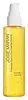
This mild gel cleanser is mild enough to cleanse without leaving skin feeling tight or stripped.
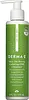
This mild cream cleanser is made to cleanse while calming and soothing your skin.

What's inside
What's inside
 Key Ingredients
Benefits
Concerns
Ingredients Side-by-side
Water
Skin ConditioningGlycerin
Humectant


Decyl Glucoside
Cleansing
Disodium Coco-Glucoside Citrate
Emulsifying
Disodium Cocoyl Glutamate
Cleansing
Polyglyceryl-10 Laurate
Skin Conditioning

Xanthan Gum
EmulsifyingPhenoxyethanol
Preservative
Saccharide Isomerate
Humectant
Coco-Glucoside
Cleansing
Glyceryl Oleate
Emollient

Sodium Lauroyl Lactylate
EmulsifyingParfum
Masking

Argania Spinosa Kernel Oil
Emollient



Sodium Cocoyl Glutamate
Cleansing
Aloe Barbadensis Leaf Juice
Skin Conditioning
Althaea Officinalis Root Extract
Skin Conditioning
Ananas Sativus Fruit Extract
Skin ConditioningEthylhexylglycerin
Skin ConditioningLactic Acid
Buffering




Citric Acid
Buffering
Salix Alba Bark Extract
Astringent
Lactobacillus Ferment
Skin Conditioning
Sodium Citrate
BufferingPotassium Sorbate
Preservative
Sodium Benzoate
Masking
Tocopherol
Antioxidant

Hydrogenated Palm Glycerides Citrate
Emollient
Water, Glycerin, Decyl Glucoside, Disodium Coco-Glucoside Citrate, Disodium Cocoyl Glutamate, Polyglyceryl-10 Laurate, Xanthan Gum, Phenoxyethanol, Saccharide Isomerate, Coco-Glucoside, Glyceryl Oleate, Sodium Lauroyl Lactylate, Parfum, Argania Spinosa Kernel Oil, Sodium Cocoyl Glutamate, Aloe Barbadensis Leaf Juice, Althaea Officinalis Root Extract, Ananas Sativus Fruit Extract, Ethylhexylglycerin, Lactic Acid, Citric Acid, Salix Alba Bark Extract, Lactobacillus Ferment, Sodium Citrate, Potassium Sorbate, Sodium Benzoate, Tocopherol, Hydrogenated Palm Glycerides Citrate
Water
Skin ConditioningGlycerin
Humectant
Decyl Glucoside
Cleansing
Stearyl Alcohol
Emollient
Aloe Barbadensis Leaf Juice
Skin Conditioning
Cannabidiol - Synthetically Produced
Antioxidant
Cannabis Sativa Seed Oil
Emollient
Cannabis Sativa Flower/Leaf/Stem Extract
Antioxidant
Panthenol
Skin Conditioning
Allantoin
Skin Conditioning
Tocopheryl Acetate
Antioxidant
Ascorbyl Palmitate
Antioxidant
Chamomilla Recutita Flower Extract
Masking
Pinus Pinaster Bark Extract
Antioxidant
Xanthan Gum
EmulsifyingGlyceryl Stearate Citrate
Emollient
Potassium Sorbate
Preservative
Phenoxyethanol
Preservative
Ethylhexylglycerin
Skin ConditioningWater, Glycerin, Decyl Glucoside, Stearyl Alcohol, Aloe Barbadensis Leaf Juice, Cannabidiol - Synthetically Produced, Cannabis Sativa Seed Oil, Cannabis Sativa Flower/Leaf/Stem Extract, Panthenol, Allantoin, Tocopheryl Acetate, Ascorbyl Palmitate, Chamomilla Recutita Flower Extract, Pinus Pinaster Bark Extract, Xanthan Gum, Glyceryl Stearate Citrate, Potassium Sorbate, Phenoxyethanol, Ethylhexylglycerin
Reviews
Ingredients Explained
These ingredients are found in both products.
Ingredients higher up in an ingredient list are typically present in a larger amount.
Aloe Barbadensis Leaf Juice is the filtered, stabilized liquid pressed from the inner gel of the aloe vera leaf.
In cosmetics, it shows up as either soothing active or a water-replacement base. It is roughly 98-99% water and the last 1-2% is an interesting mix of polysaccharides, amino acids, vitamins, minerals, and enzymes.
The polysaccharides do most of the work: they bind water at the skin surface for a light, non-greasy hydration boost. And one of the polysaccharides, glycomannan, is linked to fibroblast stimulation + collagen synthesis. This is also why aloe has such a long track record in wound and burn healing.
This ingredient is also calming with anti-inflammatory and mild antimicrobial activity, making it a great pick for sensitive, irritated, or post-sun skin.
Realistic expectations matter though; the solid evidence is mostly limited to hydration, soothing, and wound support. Deeper claims about anti-aging or sun protection are not well backed, and science reviews note it does not prevent radiation-induced skin injury.
Because it plays well with almost everything, it's commonly used as a base alongside other actives like niacinamide or vitamin C.
Typical usage concentrations range from 0.5% (where hydration benefits already show up) all the way to 90%+ (where it replaces water as the main base).
The safety for this ingredient is well-establish as well. Overall, this is a great supporting ingredient for those who want a boost in hydration.
Learn more about Aloe Barbadensis Leaf JuiceDecyl Glucoside is a plant-derived surfactant and emulsion stabilizer. It is created by reacting glucose with the fatty acids from plants.
Like all surfactants, it works by lowering the surface tension between water and oil. This makes it so that dirt, sebum, and makeup can be lifted off your skin and rinsed away. It also produces a dense and creamy foam.
Because it has a neutral charge, it is compatible with a wide range of ingredients and stays stable across a broad pH range/water hardiness conditions.
Patch testing has shown it to have the lowest irritation potential among common cleansing surfactants (like SLS).
Typical use levels range from 5-20% in rinse-off cleansers.
One thing worth knowing: The American Contact Dermatitis Society named the parent family, alkyl glucosides, "Allergen of the Year" in 2017. The prevalence of allergy is pretty low but be sure to patch test if you've reacted to "gentle" or sulfate-free cleansers before.
This ingredient is fungal acne safe because the fatty alcohol portion of this ingredient is not within the C11-24 chain length that Malassezia can metabolize.
Learn more about Decyl GlucosideEthylhexylglycerin is created from glycerin. It is a multitasker ingredient that:
The CIR Expert Panel found minimal skin absorption or sensitization of any kind in a safety assessment. Though this ingredient is considered well-tolerated, a small number of cases of allergic dermatitis have been published since 2002. Just be sure to patch test if you are unsure.
Industry-reported use ranges from 8% in rinse-off products and 2% in leave-on formulations.
Learn more about EthylhexylglycerinGlycerin (or glycerol) is a compound naturally found in your skin. It's a powerhouse humectant that pulls water into the stratum corneum.
Topically, glycerin does several things at once:
Your skin makes glycerin on its own (mostly from sebaceous oil breakdown) and shuttles it to your outermost layer of skin, or your epidermis, via aquaporin-3.
Aquaporin-3 is a transporter that is essential for normal skin hydration, elasticity, and repair. Interestingly, mice lacking in AQP3 have dry and less elastic skin that can be fully corrected with glycerin.
This ingredient is non-irritating, plays well with almost every ingredient, and works across all skin types. Typical use is anywhere between 3-10% but can go up to 79% in some leave-on products.
Just know very high concentrations (>40%) can feel tacky in low humidity.
Glycerin is the name for this ingredient in American English. British English uses Glycerol/Glycerine.
Learn more about GlycerinPhenoxyethanol is one of the most widely used preservatives in skincare (and for good reason!).
It has a large spectrum of antimicrobial activity and especially effective bacteria, yeast, and mold while only having a weak effect on your skin's natural microbiome.
On a cellular level, it disrupts the cell membranes of microbes by poking holes that make the cell leak. This shuts down the chemical reactions the microbe needs to make energy so it can no longer survive.
Another perk of this ingredient is that it stays functional across a wide pH range (3-10).
You'll often see it paired with boosters like Ethylhexylglycerin; one study showed that a 1:9 ratio of Ethylhexylglycerin to Phenoxyethanol damages bacterial membranes as effectively as doubling the Phenoxyethanol concentration on its own.
Typical use concentrations range from 0.3-1% depending on the formula, and this ingredient is capped at 1% int the EU.
Safety-wise, the fear mongering does not hold up to the evidence. The EU's Scientific Committee on Consumer Safety and FDA consider it safe as a preservative at up to 1%, including for children of all ages.
Adverse systemic effects only showed up in animal studies at exposures roughly 200x higher than what people get from cosmetics. And despite its very widespread use, this ingredient is a rare sensitizer and allergic reactions are uncommon.
Learn more about PhenoxyethanolPotassium Sorbate is a preservative used to prevent yeast and mold in products. It is commonly found in both cosmetic and food products.
This ingredient comes from potassium salt derived from sorbic acid. Sorbic acid is a natural antibiotic and effective against fungus.
Both potassium sorbate and sorbic acid can be found in baked goods, cheeses, dried meats, dried fruit, ice cream, pickles, wine, yogurt, and more.
You'll often find this ingredient used with other preservatives.
Learn more about Potassium SorbateWater. It's the most common cosmetic ingredient of all. You'll usually see it at the top of ingredient lists, meaning that it makes up the largest part of the product.
So why is it so popular? Water most often acts as a solvent - this means that it helps dissolve other ingredients into the formulation.
You'll also recognize water as that liquid we all need to stay alive. If you see this, drink a glass of water. Remember to stay hydrated!
Learn more about WaterXanthan gum is used as a stabilizer and thickener within cosmetic products. It helps give products a sticky, thick feeling - preventing them from being too runny.
On the technical side of things, xanthan gum is a polysaccharide - a combination consisting of multiple sugar molecules bonded together.
Xanthan gum is a pretty common and great ingredient. It is a natural, non-toxic, non-irritating ingredient that is also commonly used in food products.
Learn more about Xanthan Gum

