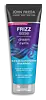
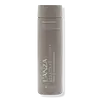
John Frieda Frizz Ease Dream Curls Curl Defining Conditioner Versus L’ANZA Keratin Healing Oil Conditioner


What's inside
What's inside
 Key Ingredients
Benefits
Concerns
Ingredients Side-by-side
Defined Cell Culture Media 2
Skin ConditioningGlycerin
Humectant


Caprylic/Capric Triglyceride
Masking
Cetearyl Alcohol
Emollient





Dimethicone
Emollient
Behentrimonium Chloride
Preservative
Bis-Hydroxy/Methoxy Amodimethicone
Cetyl Alcohol
Emollient
Parfum
Masking


Trimethylpentanediol/Adipic Acid/Glycerin Crosspolymer
Skin ConditioningPolyquaternium-37
Dipropylene Glycol
HumectantHydroxypropyl Methylcellulose
Emulsion StabilisingRosa Canina Fruit Oil
Emollient
Tetrasodium EDTA
ChelatingTocopherol
Antioxidant





Methylchloroisothiazolinone
Preservative
Methylisothiazolinone
Preservative
Benzyl Salicylate
Perfuming
Linalool
Perfuming
Defined Cell Culture Media 2, Glycerin, Caprylic/Capric Triglyceride, Cetearyl Alcohol, Dimethicone, Behentrimonium Chloride, Bis-Hydroxy/Methoxy Amodimethicone, Cetyl Alcohol, Parfum, Trimethylpentanediol/Adipic Acid/Glycerin Crosspolymer, Polyquaternium-37, Dipropylene Glycol, Hydroxypropyl Methylcellulose, Rosa Canina Fruit Oil, Tetrasodium EDTA, Tocopherol, Methylchloroisothiazolinone, Methylisothiazolinone, Benzyl Salicylate, Linalool
Water
Skin ConditioningCetearyl Alcohol
Emollient
Glycol Distearate
Emollient
Dimethicone
Emollient
Glycerin
Humectant
Propoxytetramethyl Piperidinyl Dimethicone
Silicone Quaternium-3
Cetrimonium Chloride
Antimicrobial
Behentrimonium Methosulfate
SurfactantParfum
Masking
Hydrolyzed Pea Protein
EmollientHydrolyzed Vegetable Protein
Skin ConditioningCoffea Arabica Seed Oil
Masking
Crambe Abyssinica Seed Oil
Skin Conditioning
Euterpe Oleracea Fruit Oil
Skin Conditioning
Orbignya Speciosa Kernel Oil
Emollient
Astrocaryum Murumuru Seed Butter
Emollient
Cereus Grandiflorus Flower Extract
Skin ConditioningEthylhexyl Olivate
Skin Conditioning
Dimethiconol Meadowfoamate
EmollientDimethicone PEG-8 Meadowfoamate
Emollient
Magnesium PCA
Humectant
Manganese PCA
HumectantSodium PCA
Humectant
Zinc PCA
Humectant



Tocopherol
Antioxidant
Creatine
Skin ConditioningCetyl Alcohol
Emollient
Steartrimonium Chloride
Preservative
Glycol Stearate
Emollient
Trideceth-6
EmulsifyingTrideceth-12
EmulsifyingHydroxyethylcellulose
Emulsion StabilisingButylene Glycol
Humectant
Isopropyl Alcohol
Solvent

Ethylhexylglycerin
Skin ConditioningUrea
Buffering

Phenoxyethanol
Preservative
C11-15 Pareth-7
EmulsifyingSaccharide Hydrolysate
HumectantAlanine
Masking
Glycine
Buffering
Magnesium Aspartate
Skin ConditioningSodium Hydroxide
BufferingGlyoxal
Antimicrobial
Alcohol
Antimicrobial
Tris(Tetramethylhydroxypiperidinol)Citrate
StabilisingSqualane
Emollient
BHT
Antioxidant
Potassium Sorbate
Preservative
Sodium Benzoate
Masking
Benzyl Alcohol
Perfuming
Benzyl Salicylate
Perfuming
Coumarin
Perfuming
Hexyl Cinnamal
Perfuming
Limonene
Perfuming
Linalool
Perfuming
Water, Cetearyl Alcohol, Glycol Distearate, Dimethicone, Glycerin, Propoxytetramethyl Piperidinyl Dimethicone, Silicone Quaternium-3, Cetrimonium Chloride, Behentrimonium Methosulfate, Parfum, Hydrolyzed Pea Protein, Hydrolyzed Vegetable Protein, Coffea Arabica Seed Oil, Crambe Abyssinica Seed Oil, Euterpe Oleracea Fruit Oil, Orbignya Speciosa Kernel Oil, Astrocaryum Murumuru Seed Butter, Cereus Grandiflorus Flower Extract, Ethylhexyl Olivate, Dimethiconol Meadowfoamate, Dimethicone PEG-8 Meadowfoamate, Magnesium PCA, Manganese PCA, Sodium PCA, Zinc PCA, Tocopherol, Creatine, Cetyl Alcohol, Steartrimonium Chloride, Glycol Stearate, Trideceth-6, Trideceth-12, Hydroxyethylcellulose, Butylene Glycol, Isopropyl Alcohol, Ethylhexylglycerin, Urea, Phenoxyethanol, C11-15 Pareth-7, Saccharide Hydrolysate, Alanine, Glycine, Magnesium Aspartate, Sodium Hydroxide, Glyoxal, Alcohol, Tris(Tetramethylhydroxypiperidinol)Citrate, Squalane, BHT, Potassium Sorbate, Sodium Benzoate, Benzyl Alcohol, Benzyl Salicylate, Coumarin, Hexyl Cinnamal, Limonene, Linalool
Ingredients Explained
These ingredients are found in both products.
Ingredients higher up in an ingredient list are typically present in a larger amount.
Benzyl Salicylate is a solvent and fragrance additive. It is an ester of benzyl alcohol and salicylic acid. This ingredient can be naturally found in some plants and plant extracts.
In fragrances, Benzyl Salicylate may be a solvent or a fragrance component. In synthetic musk scents, it is used as a solvent. For floral fragrances such as lilac and jasmine, it is used as a fragrance component. The natural scent of Benzyl Salicylate is described as "lightly-sweet, slightly balsamic".
While Benzyl Salicylate has been associated with contact dermatitis and allergies, emerging studies show it may not be caused by this ingredient alone.
However, this ingredient is often used with fragrances and other components that may cause allergies. It is still listed as a known allergen in the EU. We recommend speaking with a professional if you have concerns.
Another study from 2021 shows Benzyl Salicylate may have anti-inflammatory properties.
Learn more about Benzyl SalicylateCetearyl alcohol is a waxy mixture of two fatty alcohols: cetyl alcohol and stearyl alcohol. It is an emollient and emulsifier.
Despite having "alcohol" in its name, it has nothing to do with drying solvent alcohols; the FDA also allows "alcohol-free" products to contain fatty alcohols like this ingredient.
It plays several roles in a formula:
Typical use levels for this ingredient sit around 1-10% and the Cosmetic Ingredient Review Expert Panel has affirmed safety at concentrations up to 25% in leave-on products.
Multiple assessments have found it to be non-irritating and non-sensitizing to most people.
However, there have been some cases of allergic contact dermatitis in patients with chronically compromised skin barriers.
Cetearyl alcohol has a comedogenic rating of 2 and irritancy rating of 1. Both of these numbers come from the 1989 study that used rabbit ears; a "2" means mildly comedogenic and a "1" means low irritancy.
Here's the catch: rabbit skin is more sensitive than human skin and throws a lot of false positives. A 1996 reappraisal found that ingredients rated 1-2 in the rabbit ear tests are generally safe for humans.
Remember comedogenic ratings are unable to assess the entire formula of a product or how it will react on your skin. Just be sure to patch test if you are unsure about certain ingredients.
This ingredient is not fungal acne safe. Cetearyl alcohol is a fatty alcohol with chain lengths that fall within the range that Malassezia can metabolize.
A 2019 study has also observed Malassezia growth in the presence of this ingredient, confirming it to be not-fungal acne safe.
Learn more about Cetearyl AlcoholCetyl Alcohol is a fatty alcohol. Fatty Alcohols are most often used as an emollient or to thicken a product.
Its main roles are:
Though it has "alcohol" in the name, it is not related to denatured alcohol or ethyl alcohol.
The FDA allows products labeled "alcohol-free" to have fatty alcohols.
This ingredient may not be fungal acne safe. It is a primary fatty alcohol with a chain length above 12 carbons. A study from 2019 show Malassezia can feed on fatty alcohols in this range, so it may trigger fungal acne in those prone to it.
Learn more about Cetyl AlcoholDimethicone is a type of synthetic silicone created from natural materials such as quartz. It is also known as polydimethylsiloxane.
What it does:
Dimethicone comes in different viscosities:
Depending on the viscosity, dimethicone has different properties.
Ingredients lists don't always show which type is used, so we recommend reaching out to the brand if you have questions about the viscosity.
This ingredient is unlikely to cause irritation because it does not get absorbed into skin. However, people with silicone allergies should be careful about using this ingredient.
Note: Dimethicone may contribute to pilling. This is because it is not oil or water soluble, so pilling may occur when layered with products. When mixed with heavy oils in a formula, the outcome is also quite greasy.
Learn more about DimethiconeGlycerin (or glycerol) is a compound naturally found in your skin. It's a powerhouse humectant that pulls water into the stratum corneum.
Topically, glycerin does several things at once:
Your skin makes glycerin on its own (mostly from sebaceous oil breakdown) and shuttles it to your outermost layer of skin, or your epidermis, via aquaporin-3.
Aquaporin-3 is a transporter that is essential for normal skin hydration, elasticity, and repair. Interestingly, mice lacking in AQP3 have dry and less elastic skin that can be fully corrected with glycerin.
This ingredient is non-irritating, plays well with almost every ingredient, and works across all skin types. Typical use is anywhere between 3-10% but can go up to 79% in some leave-on products.
Just know very high concentrations (>40%) can feel tacky in low humidity.
Glycerin is the name for this ingredient in American English. British English uses Glycerol/Glycerine.
Learn more about GlycerinLinalool is a small, naturally occurring scent molecule found in plants like lavender, coriander, bergamot, and more.
It is one of the two most-used fragrance ingredients in cosmetics and added purely for smell. Since it's not used for a skin benefit, there's no "effective dose". Concentration depends on the fragrance load of the product.
The EU requires it to be named on the label above 0.001% in leave-on and 0.01% in rinse-off products.
Fresh linalool is a weak sensitizer but air exposure turns some of it into hydroperoxides, which are strong sensitizers. Those oxidation products are the actual allergy concern.
Patch-test clinics see positive reactions to linalool hydroperoxides in about 4% to 12% of dermatitis patients depending on country and test concentration.
Resassuringly, one analytical study found hydroperoxide levels in real fragranced products to be orders of magnitude below what induced sensitization in animal studies with no evidence of oxidation building up during normal storage.
The practical takeaway is that linalool is fine for most people but worth avoiding if you have a confirmed fragrance contact allergy or a badly compromised barrier.
Products stored a long time after opening are also the high-risk scenario since that is when oxidation happens.
The scent of linalool is described as floral, spicy tropical, and citrus-like.
Learn more about LinaloolParfum is a catch-all term for an ingredient or more that is used to give a scent to products.
Also called "fragrance", this ingredient can be a blend of hundreds of chemicals or plant oils. This means every product with "fragrance" or "parfum" in the ingredients list is a different mixture.
For instance, Habanolide is a proprietary trade name for a specific aroma chemical. When used as a fragrance ingredient in cosmetics, most aroma chemicals fall under the broad labeling category of “FRAGRANCE” or “PARFUM” according to EU and US regulations.
The term 'parfum' or 'fragrance' is not regulated in many countries. In many cases, it is up to the brand to define this term.
For instance, many brands choose to label themselves as "fragrance-free" because they are not using synthetic fragrances. However, their products may still contain ingredients such as essential oils that are considered a fragrance by INCI standards.
One example is Calendula flower extract. Calendula is an essential oil that still imparts a scent or 'fragrance'.
Depending on the blend, the ingredients in the mixture can cause allergies and sensitivities on the skin. Some ingredients that are known EU allergens include linalool and citronellol.
Parfum can also be used to mask or cover an unpleasant scent.
The bottom line is: not all fragrances/parfum/ingredients are created equally. If you are worried about fragrances, we recommend taking a closer look at an ingredient. And of course, we always recommend speaking with a professional.
Learn more about ParfumTocopherol is a fat-soluble antioxidant known as Vitamin E.
You'll find this ingredient in the vast majority of skincare (for good reason). It works to neutralize free radicals, or unstable molecules generated by UV exposure, pollution, and other environmental stressors, before they can cause oxidative damage to your skin cells.
Topically applied tocopherol has been shown to protect against UV damage by ramping up the skin's own natural defense enzymes.
It also acts as a skin conditioning agent; some studies show that regular topical use can improve the skin's water-binding capacity over 2-4 weeks.
This ingredient is especially loved for being a team player. When combined with Vitamin C, the photoprotective effect of both ingredients roughly doubles and the combo also helps reduce UV-induced DNA damage.
This ingredient has some brightening potential but it's more of a prevention ingredient than spot-fader. Cell studies show it can slow down melanin production but it's worth noting that it's not the most powerful brightener out there.
In formulations, it also serves as a stabilizer that helps protect other oxidation-prone ingredients from degrading.
Concentrations usually range from 0.1-1% in most leave-on products.
Learn more about Tocopherol

