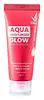
This brightening moisturizer is formulated around Niacinamide and Sodium Hyaluronate to brighten dull-looking skin and hydrate skin.
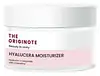
This barrier-repair moisturizer is formulated around Panthenol and Sodium Hyaluronate to strengthen the skin barrier and hydrate skin.


What's inside
What's inside
 Key Ingredients
Benefits
Concerns
Ingredients Side-by-side
Rubus Fruticosus Fruit Extract
AstringentRubus Idaeus Fruit Extract
AstringentFragaria Chiloensis Fruit Extract
Skin Conditioning
Vaccinium Angustifolium Fruit Extract
Skin Protecting
Vaccinium Macrocarpon Fruit Extract
AstringentRibes Nigrum Fruit Extract
Astringent
Euterpe Oleracea Fruit Extract
Morus Nigra Fruit Extract
Skin ConditioningVaccinium Myrtillus Fruit Extract
Skin ConditioningLycium Chinense Fruit Extract
Antioxidant
Cyclopentasiloxane
Emollient
Glycerin
Humectant

PEG-10 Dimethicone/Vinyl Dimethicone Crosspolymer
Stabilising
Cyclohexasiloxane
Emollient
Niacinamide
Smoothing








Magnesium Sulfate
Sodium Hyaluronate
Humectant
Ananas Sativus Fruit Water
Skin ConditioningAnanas Sativus Fruit Extract
Skin ConditioningAnanas Sativus Fruit Juice
Skin ConditioningAscorbyl Tetraisopalmitate
Antioxidant


Allantoin
Skin Conditioning
Ethylhexyl Methoxycinnamate
UV Absorber


Butylene Glycol
Humectant
Panthenol
Skin Conditioning
Tocopheryl Acetate
Antioxidant
Dimethiconol
Emollient
Phenoxyethanol
Preservative
Chlorphenesin
Antimicrobial
CI 16035
Cosmetic ColorantParfum
Masking

Rubus Fruticosus Fruit Extract, Rubus Idaeus Fruit Extract, Fragaria Chiloensis Fruit Extract, Vaccinium Angustifolium Fruit Extract, Vaccinium Macrocarpon Fruit Extract, Ribes Nigrum Fruit Extract, Euterpe Oleracea Fruit Extract, Morus Nigra Fruit Extract, Vaccinium Myrtillus Fruit Extract, Lycium Chinense Fruit Extract, Cyclopentasiloxane, Glycerin, PEG-10 Dimethicone/Vinyl Dimethicone Crosspolymer, Cyclohexasiloxane, Niacinamide, Magnesium Sulfate, Sodium Hyaluronate, Ananas Sativus Fruit Water, Ananas Sativus Fruit Extract, Ananas Sativus Fruit Juice, Ascorbyl Tetraisopalmitate, Allantoin, Ethylhexyl Methoxycinnamate, Butylene Glycol, Panthenol, Tocopheryl Acetate, Dimethiconol, Phenoxyethanol, Chlorphenesin, CI 16035, Parfum
Water
Skin ConditioningGlycerin
Humectant
Butylene Glycol
Humectant
Glycereth-26
Humectant
1,2-Hexanediol
Skin Conditioning
Hydroxyacetophenone
Antioxidant
Acrylates/C10-30 Alkyl Acrylate Crosspolymer
Emulsion StabilisingPanthenol
Skin Conditioning
Hydroxyethylpiperazine Ethane Sulfonic Acid
BufferingDiglycerin
Humectant
Propylene Glycol
Humectant
Triethanolamine
BufferingMethylpropanediol
SolventSodium Hyaluronate
Humectant
Allantoin
Skin Conditioning
Glucose
Humectant
Sophora Angustifolia Root Extract
Skin ConditioningStephania Tetrandra Root Extract
Skin ConditioningHydrolyzed Hyaluronic Acid
Humectant
Cnidium Monnieri Fruit Extract
HumectantGlycyrrhiza Uralensis Root Extract
Skin Conditioning
Phellodendron Amurense Bark Extract
Skin ConditioningPhenoxyethanol
Preservative
Caprylic/Capric Triglyceride
Masking
Chlorella Vulgaris Extract
Skin ConditioningSpirulina Platensis Extract
Skin ProtectingHydrogenated Lecithin
Emulsifying
Chlorphenesin
Antimicrobial
Hexylene Glycol
EmulsifyingStearic Acid
Cleansing
Cholesterol
Emollient
Ceramide NP
Skin Conditioning
Water, Glycerin, Butylene Glycol, Glycereth-26, 1,2-Hexanediol, Hydroxyacetophenone, Acrylates/C10-30 Alkyl Acrylate Crosspolymer, Panthenol, Hydroxyethylpiperazine Ethane Sulfonic Acid, Diglycerin, Propylene Glycol, Triethanolamine, Methylpropanediol, Sodium Hyaluronate, Allantoin, Glucose, Sophora Angustifolia Root Extract, Stephania Tetrandra Root Extract, Hydrolyzed Hyaluronic Acid, Cnidium Monnieri Fruit Extract, Glycyrrhiza Uralensis Root Extract, Phellodendron Amurense Bark Extract, Phenoxyethanol, Caprylic/Capric Triglyceride, Chlorella Vulgaris Extract, Spirulina Platensis Extract, Hydrogenated Lecithin, Chlorphenesin, Hexylene Glycol, Stearic Acid, Cholesterol, Ceramide NP
Reviews
Ingredients Explained
These ingredients are found in both products.
Ingredients higher up in an ingredient list are typically present in a larger amount.
Allantoin is a soothing ingredient known for its protective and moisturizing properties; it's basically a quiet workhorse ingredient you can find in a huge range of cosmetics.
Though it can be derived from the comfrey plant, allantoin is produced synthetically for cosmetic products to ensure purity.
Research shows it can encourage your skin cells to turn over and renew by stimulating keratinocyte and fibroblast proliferation.
It also has mild keratolytic properties to help loosen and shed dead skin cells without being harsh.
Studies also suggest allantoin can help calm inflammation by dialing down some of the chemical signals your skin sends out when it is irritated.
This ingredient is typically used in the 0.1-0.5% range, and the FDA recognizes it as a skin protectant in OTC products up to 2%.
Overall, allantoin is a wonderful addition to most routines; it is stable across a wide pH range (~4-8), works well with other ingredients, and is considered non-sensitizing/non-irritating.
Fun fact: Allantoin is naturally occurring in comfrey root, beets, chamomile, and wheat sprouts. Our bodies even produce it as a byproduct of uric acid metabolism.
Learn more about AllantoinButylene Glycol (or BG) is used within cosmetic products for a few different reasons:
Overall, Butylene Glycol is a safe and well-rounded ingredient that works well with other ingredients.
Though this ingredient works well with most skin types, some people with sensitive skin may experience a reaction such as allergic rashes, closed comedones, or itchiness.
Learn more about Butylene GlycolChlorphenesin is a synthetic preservative. It helps protect a product against bacteria in order to extend shelf life. In most cases, Chlorphenesin is paired with other preservatives such as phenoxyethanol and caprylyl glycol.
Chlorphenesin is a biocide. This means it is able to help fight the microorganisms on our skin. It is also able to fight odor-releasing bacteria.
Chlorphenesin is soluble in both water and glycerin.
Studies show Chlorphenesin is easily absorbed by our skin. You should speak with a skincare professional if you have concerns about using Chlorphenesin.
Learn more about ChlorphenesinGlycerin (or glycerol) is a compound naturally found in your skin. It's a powerhouse humectant that pulls water into the stratum corneum.
Topically, glycerin does several things at once:
Your skin makes glycerin on its own (mostly from sebaceous oil breakdown) and shuttles it to your outermost layer of skin, or your epidermis, via aquaporin-3.
Aquaporin-3 is a transporter that is essential for normal skin hydration, elasticity, and repair. Interestingly, mice lacking in AQP3 have dry and less elastic skin that can be fully corrected with glycerin.
This ingredient is non-irritating, plays well with almost every ingredient, and works across all skin types. Typical use is anywhere between 3-10% but can go up to 79% in some leave-on products.
Just know very high concentrations (>40%) can feel tacky in low humidity.
Glycerin is the name for this ingredient in American English. British English uses Glycerol/Glycerine.
Learn more about GlycerinPanthenol is a common ingredient that helps hydrate and soothe the skin. It is found naturally in our skin and hair.
There are two forms of panthenol: D and L.
D-panthenol is also known as dexpanthenol. Most cosmetics use dexpanthenol or a mixture of D and L-panthenol.
Panthenol is famous due to its ability to go deeper into the skin's layers. Using this ingredient has numerous pros (and no cons):
Like hyaluronic acid, panthenol is a humectant. Humectants are able to bind and hold large amounts of water to keep skin hydrated.
This ingredient works well for wound healing. It works by increasing tissue in the wound and helps close open wounds.
Once oxidized, panthenol converts to pantothenic acid. Panthothenic acid is found in all living cells.
This ingredient is also referred to as pro-vitamin B5.
Learn more about PanthenolPhenoxyethanol is one of the most widely used preservatives in skincare (and for good reason!).
It has a large spectrum of antimicrobial activity and especially effective bacteria, yeast, and mold while only having a weak effect on your skin's natural microbiome.
On a cellular level, it disrupts the cell membranes of microbes by poking holes that make the cell leak. This shuts down the chemical reactions the microbe needs to make energy so it can no longer survive.
Another perk of this ingredient is that it stays functional across a wide pH range (3-10).
You'll often see it paired with boosters like Ethylhexylglycerin; one study showed that a 1:9 ratio of Ethylhexylglycerin to Phenoxyethanol damages bacterial membranes as effectively as doubling the Phenoxyethanol concentration on its own.
Typical use concentrations range from 0.3-1% depending on the formula, and this ingredient is capped at 1% int the EU.
Safety-wise, the fear mongering does not hold up to the evidence. The EU's Scientific Committee on Consumer Safety and FDA consider it safe as a preservative at up to 1%, including for children of all ages.
Adverse systemic effects only showed up in animal studies at exposures roughly 200x higher than what people get from cosmetics. And despite its very widespread use, this ingredient is a rare sensitizer and allergic reactions are uncommon.
Learn more about PhenoxyethanolSodium Hyaluronate is the salt form of hyaluronic acid. It is a long sugar chain that is naturally found in your skin, joints, and connective tissue that maintains hydration and elasticity.
In skincare, it works as a humectant. It pulls water from the environment and deeper layers of skin and binds it to the surface.
Interestingly, the size of the molecule affects its behavior:
Some clinical evidence links low molecular weight versions to improved wrinkle depth, elasticity, anti-inflammatory effects, and barrier repair.
Many serums use a blend of both weights so you can get surface hydration plus longer-lasting and deeper effects.
You'll typically see concentrations between 0.1-2% for this ingredient.
Learn more about Sodium Hyaluronate

