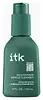
This mild gel cleanser is made to cleanse without leaving your skin tight or dry.
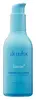
This foaming cleanser uses mild cleansing ingredients, but contains alcohol that may feel drying for some.


What's inside
What's inside
 Key Ingredients
Benefits
Concerns
Ingredients Side-by-side
Water
Skin ConditioningSodium Cocoyl Isethionate
Cleansing
Cocamidopropyl Hydroxysultaine
Cleansing
Cocamidopropyl Betaine
Cleansing


Glycerin
Humectant


Sodium Benzoate
Masking
Propanediol
Solvent
PEG-120 Methyl Glucose Dioleate
Emulsifying
Caprylyl/Capryl Glucoside
CleansingSodium Chloride
MaskingGlycol Distearate
Emollient
Laureth-4
Emulsifying
Guar Hydroxypropyltrimonium Chloride
Skin ConditioningPanthenol
Skin Conditioning

Disodium EDTA
Sodium Hyaluronate
Humectant

Bromelain
Skin Conditioning
Water, Sodium Cocoyl Isethionate, Cocamidopropyl Hydroxysultaine, Cocamidopropyl Betaine, Glycerin, Sodium Benzoate, Propanediol, PEG-120 Methyl Glucose Dioleate, Caprylyl/Capryl Glucoside, Sodium Chloride, Glycol Distearate, Laureth-4, Guar Hydroxypropyltrimonium Chloride, Panthenol, Disodium EDTA, Sodium Hyaluronate, Bromelain
Water
Skin ConditioningSodium Methyl Cocoyl Taurate
Cleansing
Cocamidopropyl Hydroxysultaine
Cleansing
Glycerin
Humectant
Caprylyl/Capryl Glucoside
CleansingSodium Cocoyl Isethionate
Cleansing
Glycol Distearate
Emollient
Betaine
Humectant
Panthenol
Skin Conditioning
Chondrus Crispus Extract
Skin Conditioning
Aloe Barbadensis Leaf Juice
Skin Conditioning
Gluconolactone
Skin Conditioning




Sodium Hyaluronate
Humectant
Jojoba Oil/Macadamia Seed Oil Esters
Skin Conditioning
Squalene
Emollient
Phytosteryl Macadamiate
Skin Conditioning
Phytosterols
Skin Conditioning
Tocopherol
Antioxidant


Propanediol
Solvent
Hydroxypropyl Guar Hydroxypropyltrimonium Chloride
Xanthan Gum
EmulsifyingPolyacrylate Crosspolymer-6
Emulsion StabilisingSodium Chloride
MaskingEthylhexylglycerin
Skin ConditioningCitric Acid
Buffering
Benzoic Acid
Masking
Phenethyl Alcohol
MaskingPentylene Glycol
Skin Conditioning
Trisodium Ethylenediamine Disuccinate
T-Butyl Alcohol
Perfuming



Sodium Hydroxide
BufferingSodium Benzoate
Masking
Phenoxyethanol
Preservative
Water, Sodium Methyl Cocoyl Taurate, Cocamidopropyl Hydroxysultaine, Glycerin, Caprylyl/Capryl Glucoside, Sodium Cocoyl Isethionate, Glycol Distearate, Betaine, Panthenol, Chondrus Crispus Extract, Aloe Barbadensis Leaf Juice, Gluconolactone, Sodium Hyaluronate, Jojoba Oil/Macadamia Seed Oil Esters, Squalene, Phytosteryl Macadamiate, Phytosterols, Tocopherol, Propanediol, Hydroxypropyl Guar Hydroxypropyltrimonium Chloride, Xanthan Gum, Polyacrylate Crosspolymer-6, Sodium Chloride, Ethylhexylglycerin, Citric Acid, Benzoic Acid, Phenethyl Alcohol, Pentylene Glycol, Trisodium Ethylenediamine Disuccinate, T-Butyl Alcohol, Sodium Hydroxide, Sodium Benzoate, Phenoxyethanol
Reviews
Ingredients Explained
These ingredients are found in both products.
Ingredients higher up in an ingredient list are typically present in a larger amount.
This ingredient is a mild surfactant made by sticking glucose onto a blend of fatty acids.
It does two jobs because it has a sugar head that loves water and a fatty tail that loves oil:
Typical use levels range from 10-20% in cleansers and 15-30% in shower products.
Once on your skin, your skin's glucoside hydrolases breaks it down into glucose and the parent fatty alcohols.
This ingredient is considered fungal acne safe because its fatty alcohol portion sits outside the Malassezia yeast's metabolization range.
Learn more about Caprylyl/Capryl GlucosideCocamidopropyl Hydroxysultaine is a synthetic cleansing agent, though it is derived from coconut oil.
It is used to enhance the texture of products by boosting lather and thickening the texture. As a cleanser, Cocamidopropyl Hydroxysultaine is mild.
Glycerin (or glycerol) is a compound naturally found in your skin. It's a powerhouse humectant that pulls water into the stratum corneum.
Topically, glycerin does several things at once:
Your skin makes glycerin on its own (mostly from sebaceous oil breakdown) and shuttles it to your outermost layer of skin, or your epidermis, via aquaporin-3.
Aquaporin-3 is a transporter that is essential for normal skin hydration, elasticity, and repair. Interestingly, mice lacking in AQP3 have dry and less elastic skin that can be fully corrected with glycerin.
This ingredient is non-irritating, plays well with almost every ingredient, and works across all skin types. Typical use is anywhere between 3-10% but can go up to 79% in some leave-on products.
Just know very high concentrations (>40%) can feel tacky in low humidity.
Glycerin is the name for this ingredient in American English. British English uses Glycerol/Glycerine.
Learn more about GlycerinGlycol Distearate is an emulsifier and emollient that adds a "pearly" appearance to formulations.
That lustrous look you see in many shampoos is due to this ingredient: when cooled, it crystallizes into small platelets that reflect light to give products that rich, shimmering look.
This ingredient is considered safe at present practices of use and concentration and repeated insult patch test with 50% Glycol Distearate on 125 subjects found no evidence of skin irritation, hypersensitivity, or acute toxicity.
Typical use concentrations range from 0.1-10%.
Because it's an ester of stearic acid, it falls into the range that Malassezia likes to metabolize. This ingredient may not be fungal acne safe.
Learn more about Glycol DistearatePanthenol is a common ingredient that helps hydrate and soothe the skin. It is found naturally in our skin and hair.
There are two forms of panthenol: D and L.
D-panthenol is also known as dexpanthenol. Most cosmetics use dexpanthenol or a mixture of D and L-panthenol.
Panthenol is famous due to its ability to go deeper into the skin's layers. Using this ingredient has numerous pros (and no cons):
Like hyaluronic acid, panthenol is a humectant. Humectants are able to bind and hold large amounts of water to keep skin hydrated.
This ingredient works well for wound healing. It works by increasing tissue in the wound and helps close open wounds.
Once oxidized, panthenol converts to pantothenic acid. Panthothenic acid is found in all living cells.
This ingredient is also referred to as pro-vitamin B5.
Learn more about PanthenolPropanediol is an all-star ingredient. It softens, hydrates, and smooths the skin.
It’s often used to:
Propanediol is not likely to cause sensitivity and considered safe to use. It is derived from corn or petroleum with a clear color and no scent.
Learn more about PropanediolSodium Benzoate is a preservative. It's used in both cosmetic and food products to inhibit the growth of mold and bacteria. It is typically produced synthetically.
Both the US FDA and EU Health Committee have approved the use of sodium benzoate. In the US, levels of 0.1% (of the total product) are allowed.
Sodium benzoate works as a preservative by inhibiting the growth of bacteria inside of cells. It prevents the cell from fermenting a type of sugar using an enzyme called phosphofructokinase.
It is the salt of benzoic acid. Foods containing sodium benzoate include soda, salad dressings, condiments, fruit juices, wines, and snack foods.
Studies for using ascorbic acid and sodium benzoate in cosmetics are lacking, especially in skincare routines with multiple steps.
We always recommend speaking with a professional, such as a dermatologist, if you have any concerns.
Learn more about Sodium BenzoateChances are, you eat sodium chloride every day. Sodium Chloride is also known as table salt. This ingredient has many purposes in skincare: thickener, emulsifier, and exfoliator.
You'll most likely find this ingredient in cleansers where it is used to create a gel-like texture. As an emulsifier, it also prevents ingredients from separating.
You might see people debate whether Sodium Chloride is comedogenic, but there actually haven't been any comedogenic tests done on it. Either way, the overall formulation of a product matters a lot more than any single ingredient.
You might see this ingredient used in scrubs as a primary exfoliating ingredient.
Learn more about Sodium ChlorideSodium cocoyl isethionate is a natural ingredient from coconut oil. It is an ultra gentle cleanser that gives a nice foam without drying the skin or impacting the skin barrier.
The amount of foam created depends on the amount of sodium cocoyl isethionate used in the product.
This ingredient also helps improve the spreadability of a product.
This ingredient hasn’t been shown in studies to feed fungal acne yeast.
Learn more about Sodium Cocoyl IsethionateSodium Hyaluronate is the salt form of hyaluronic acid. It is a long sugar chain that is naturally found in your skin, joints, and connective tissue that maintains hydration and elasticity.
In skincare, it works as a humectant. It pulls water from the environment and deeper layers of skin and binds it to the surface.
Interestingly, the size of the molecule affects its behavior:
Some clinical evidence links low molecular weight versions to improved wrinkle depth, elasticity, anti-inflammatory effects, and barrier repair.
Many serums use a blend of both weights so you can get surface hydration plus longer-lasting and deeper effects.
You'll typically see concentrations between 0.1-2% for this ingredient.
Learn more about Sodium HyaluronateWater. It's the most common cosmetic ingredient of all. You'll usually see it at the top of ingredient lists, meaning that it makes up the largest part of the product.
So why is it so popular? Water most often acts as a solvent - this means that it helps dissolve other ingredients into the formulation.
You'll also recognize water as that liquid we all need to stay alive. If you see this, drink a glass of water. Remember to stay hydrated!
Learn more about Water

