

What's inside
What's inside
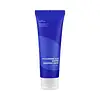 Key Ingredients
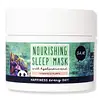
Benefits
Concerns
No concerns
Ingredients Side-by-side
Water
Skin ConditioningMethylpropanediol
SolventBeta-Glucan
Skin Conditioning





1,2-Hexanediol
Skin Conditioning
Butylene Glycol
Humectant
Polyquaternium-51
Skin Conditioning
Sodium Hyaluronate
Humectant
Centella Asiatica Extract
Cleansing
Ficus Carica Fruit Extract
Humectant
Dioscorea Opposita Root
Skin ConditioningGlycosyl Trehalose
Emulsion StabilisingHydrogenated Starch Hydrolysate
HumectantBetaine
Humectant
Sodium Chloride
Masking


Sodium PCA
Humectant
Panthenol
Skin Conditioning
Carbomer
Emulsion StabilisingHydrolyzed Corn Starch
HumectantAllantoin
Skin Conditioning
Sucrose
Humectant
Ceramide NP
Skin Conditioning
Tocopherol
Antioxidant

Potassium Laurate
EmulsifyingHydroxypropyltrimonium Hyaluronate
Hydrolyzed Hyaluronic Acid
Humectant
Sodium Acetylated Hyaluronate
Humectant
Dipropylene Glycol
HumectantGlycerin
Humectant
Hydrogenated Lecithin
Emulsifying
Tromethamine
BufferingCitric Acid
Buffering



Trisodium EDTA
Ethylhexylglycerin
Skin ConditioningDimethicone
Emollient
PEG-240/Hdi Copolymer Bis-Decyltetradeceth-20 Ether
StabilisingAscorbyl Propyl Hyaluronate
Skin Conditioning
Water, Methylpropanediol, Beta-Glucan, 1,2-Hexanediol, Butylene Glycol, Polyquaternium-51, Sodium Hyaluronate, Centella Asiatica Extract, Ficus Carica Fruit Extract, Dioscorea Opposita Root, Glycosyl Trehalose, Hydrogenated Starch Hydrolysate, Betaine, Sodium Chloride, Sodium PCA, Panthenol, Carbomer, Hydrolyzed Corn Starch, Allantoin, Sucrose, Ceramide NP, Tocopherol, Potassium Laurate, Hydroxypropyltrimonium Hyaluronate, Hydrolyzed Hyaluronic Acid, Sodium Acetylated Hyaluronate, Dipropylene Glycol, Glycerin, Hydrogenated Lecithin, Tromethamine, Citric Acid, Trisodium EDTA, Ethylhexylglycerin, Dimethicone, PEG-240/Hdi Copolymer Bis-Decyltetradeceth-20 Ether, Ascorbyl Propyl Hyaluronate
Water
Skin ConditioningButylene Glycol
Humectant
Caprylic/Capric Triglyceride
Masking
1,2-Hexanediol
Skin Conditioning
Trehalose
Humectant
Coco-Caprylate/Caprate
Emollient
Squalane
Emollient
Pentaerythrityl Tetraisostearate
Emollient
Ammonium Acryloyldimethyltaurate/Vp Copolymer
Polyglyceryl-3 Methylglucose Distearate
Emulsifying
Hydroxyethyl Acrylate/Sodium Acryloyldimethyl Taurate Copolymer
Emulsion StabilisingSodium Hyaluronate
Humectant
Carbomer
Emulsion StabilisingTromethamine
BufferingEthylhexylglycerin
Skin ConditioningPolysorbate 60
Emulsifying
Sorbitan Isostearate
Emulsifying
Ceramide NP
Skin Conditioning
Disodium EDTA
Water, Butylene Glycol, Caprylic/Capric Triglyceride, 1,2-Hexanediol, Trehalose, Coco-Caprylate/Caprate, Squalane, Pentaerythrityl Tetraisostearate, Ammonium Acryloyldimethyltaurate/Vp Copolymer, Polyglyceryl-3 Methylglucose Distearate, Hydroxyethyl Acrylate/Sodium Acryloyldimethyl Taurate Copolymer, Sodium Hyaluronate, Carbomer, Tromethamine, Ethylhexylglycerin, Polysorbate 60, Sorbitan Isostearate, Ceramide NP, Disodium EDTA
Reviews
Ingredients Explained
These ingredients are found in both products.
Ingredients higher up in an ingredient list are typically present in a larger amount.
1,2-Hexanediol is a synthetic liquid and another multi-functional powerhouse.
It is a:
- Humectant, drawing moisture into the skin
- Emollient, helping to soften skin
- Solvent, dispersing and stabilizing formulas
- Preservative booster, enhancing the antimicrobial activity of other preservatives
Butylene Glycol (or BG) is used within cosmetic products for a few different reasons:
Overall, Butylene Glycol is a safe and well-rounded ingredient that works well with other ingredients.
Though this ingredient works well with most skin types, some people with sensitive skin may experience a reaction such as allergic rashes, closed comedones, or itchiness.
Learn more about Butylene GlycolCarbomer is a polymer of acrylic acid. Its main role is to create a gel consistency.
A high amount of carbomer can cause pilling or balling up of products. Don't worry, most products contain 1% or less of carbomer.
Ceramide NP is a type of ceramide and formally known as ceramide 3.
Ceramides are intercellular lipids naturally found in our skin that bonds dead skin cells together to create a barrier. They are known for their ability to hold water and thus are a great ingredient for dry skin.
Ceramides are an important building block for our skin barrier. A stronger barrier helps the skin look more firm and hydrated. By bolstering the skin ceramides act as a barrier against irritating ingredients. This can help with inflammation as well.
If you would like to eat ceramides, sweet potatoes contain a small amount.
Read more about other common types of ceramides here:
Ceramide AP
Ceramide EOP
Ethylhexylglycerin (we can't pronounce this either) is commonly used as a preservative and skin softener. It is derived from glyceryl.
You might see Ethylhexylglycerin often paired with other preservatives such as phenoxyethanol. Ethylhexylglycerin has been found to increase the effectiveness of these other preservatives.
Sodium Hyaluronate is hyaluronic acid's salt form. It is commonly derived from the sodium salt of hyaluronic acid.
Like hyaluronic acid, it is great at holding water and acts as a humectant. This makes it a great skin hydrating ingredient.
Sodium Hyaluronate is naturally occurring in our bodies and is mostly found in eye fluid and joints.
These are some other common types of Hyaluronic Acid:
Learn more about Sodium HyaluronateTromethamine helps balance the pH and improve the texture of a product. It is synthetically created.
As an emulsifier, Tromethamine prevents oil and water ingredients from separating. This helps stabilize the product and elongate a product's shelf life. Tromethamine also makes a product thicker.
Tromethamine helps balance the pH level of a product. Normal pH level of skin is slightly acidic (~4.75-5.5). The acidity of our skin is maintained by our glands and skin biome. Being slightly acidic allows our skin to create an "acid mantle". This acid mantle is a thin barrier that protects our skin from bacteria and contaminants.
Oral Tromethanmine is an anti-inflammatory drug but plays the role of masking, adding fragrance, and/or balancing pH in skincare.
1,3-Propanediol, 2-amino-2-(hydroxymethyl)-
Learn more about TromethamineWater. It's the most common cosmetic ingredient of all. You'll usually see it at the top of ingredient lists, meaning that it makes up the largest part of the product.
So why is it so popular? Water most often acts as a solvent - this means that it helps dissolve other ingredients into the formulation.
You'll also recognize water as that liquid we all need to stay alive. If you see this, drink a glass of water. Stay hydrated!
Learn more about Water
