

What's inside
What's inside
 Key Ingredients
Benefits
Concerns
Ingredients Side-by-side
Water
Skin ConditioningArginine
Masking

Salicylic Acid
Masking








Lactobacillus/Papaya Fruit Ferment Extract
Abrasive
Moringa Oleifera Leaf Water
Skin ConditioningMoringa Oleifera Seed Extract
Skin Conditioning

Eucalyptus Globulus Leaf Water
MaskingChlorella Ferment
Skin Conditioning
Paeonia Suffruticosa Root Extract
Skin ProtectingScutellaria Baicalensis Root Extract
AstringentLactic Acid
Buffering



Glycerin
Humectant
Butylene Glycol
Humectant
Xylitylglucoside
Humectant
Anhydroxylitol
Humectant
Xylitol
Humectant
Leuconostoc/Radish Root Ferment Filtrate
Antimicrobial
Gluconolactone
Skin Conditioning
Maltodextrin
Absorbent
Glucose
Humectant
Potassium Sorbate
Preservative
Sodium Benzoate
Masking
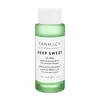
Water, Arginine, Salicylic Acid, Lactobacillus/Papaya Fruit Ferment Extract, Moringa Oleifera Leaf Water, Moringa Oleifera Seed Extract, Eucalyptus Globulus Leaf Water, Chlorella Ferment, Paeonia Suffruticosa Root Extract, Scutellaria Baicalensis Root Extract, Lactic Acid, Glycerin, Butylene Glycol, Xylitylglucoside, Anhydroxylitol, Xylitol, Leuconostoc/Radish Root Ferment Filtrate, Gluconolactone, Maltodextrin, Glucose, Potassium Sorbate, Sodium Benzoate
Water
Skin ConditioningMethylpropanediol
SolventBeta-Glucan
Skin Conditioning
1,2-Hexanediol
Skin Conditioning
Butylene Glycol
Humectant
Polyquaternium-51
Skin Conditioning
Sodium Hyaluronate
Humectant
Centella Asiatica Extract
Cleansing
Ficus Carica Fruit Extract
Humectant
Dioscorea Opposita Root
Skin ConditioningGlycosyl Trehalose
Emulsion StabilisingHydrogenated Starch Hydrolysate
HumectantBetaine
Humectant
Sodium Chloride
Masking
Sodium PCA
Humectant
Panthenol
Skin Conditioning
Carbomer
Emulsion StabilisingHydrolyzed Corn Starch
HumectantAllantoin
Skin Conditioning
Sucrose
Humectant
Ceramide NP
Skin Conditioning
Tocopherol
Antioxidant

Potassium Laurate
EmulsifyingHydroxypropyltrimonium Hyaluronate
Hydrolyzed Hyaluronic Acid
Humectant
Sodium Acetylated Hyaluronate
Humectant
Dipropylene Glycol
HumectantGlycerin
Humectant
Hydrogenated Lecithin
Emulsifying
Tromethamine
BufferingCitric Acid
Buffering
Trisodium EDTA
Ethylhexylglycerin
Skin ConditioningDimethicone
Emollient
PEG-240/Hdi Copolymer Bis-Decyltetradeceth-20 Ether
StabilisingAscorbyl Propyl Hyaluronate
Skin Conditioning
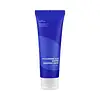
Water, Methylpropanediol, Beta-Glucan, 1,2-Hexanediol, Butylene Glycol, Polyquaternium-51, Sodium Hyaluronate, Centella Asiatica Extract, Ficus Carica Fruit Extract, Dioscorea Opposita Root, Glycosyl Trehalose, Hydrogenated Starch Hydrolysate, Betaine, Sodium Chloride, Sodium PCA, Panthenol, Carbomer, Hydrolyzed Corn Starch, Allantoin, Sucrose, Ceramide NP, Tocopherol, Potassium Laurate, Hydroxypropyltrimonium Hyaluronate, Hydrolyzed Hyaluronic Acid, Sodium Acetylated Hyaluronate, Dipropylene Glycol, Glycerin, Hydrogenated Lecithin, Tromethamine, Citric Acid, Trisodium EDTA, Ethylhexylglycerin, Dimethicone, PEG-240/Hdi Copolymer Bis-Decyltetradeceth-20 Ether, Ascorbyl Propyl Hyaluronate
Reviews
Ingredients Explained
These ingredients are found in both products.
Ingredients higher up in an ingredient list are typically present in a larger amount.
Butylene Glycol (or BG) is used within cosmetic products for a few different reasons:
Overall, Butylene Glycol is a safe and well-rounded ingredient that works well with other ingredients.
Though this ingredient works well with most skin types, some people with sensitive skin may experience a reaction such as allergic rashes, closed comedones, or itchiness.
Learn more about Butylene GlycolGlycerin is already naturally found in your skin. It helps moisturize and protect your skin.
A study from 2016 found glycerin to be more effective as a humectant than AHAs and hyaluronic acid.
As a humectant, it helps the skin stay hydrated by pulling moisture to your skin. The low molecular weight of glycerin allows it to pull moisture into the deeper layers of your skin.
Hydrated skin improves your skin barrier; Your skin barrier helps protect against irritants and bacteria.
Glycerin has also been found to have antimicrobial and antiviral properties. Due to these properties, glycerin is often used in wound and burn treatments.
In cosmetics, glycerin is usually derived from plants such as soybean or palm. However, it can also be sourced from animals, such as tallow or animal fat.
This ingredient is organic, colorless, odorless, and non-toxic.
Glycerin is the name for this ingredient in American English. British English uses Glycerol/Glycerine.
Learn more about GlycerinWater. It's the most common cosmetic ingredient of all. You'll usually see it at the top of ingredient lists, meaning that it makes up the largest part of the product.
So why is it so popular? Water most often acts as a solvent - this means that it helps dissolve other ingredients into the formulation.
You'll also recognize water as that liquid we all need to stay alive. If you see this, drink a glass of water. Stay hydrated!
Learn more about Water
