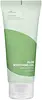
This calming moisturizer is formulated around Aloe Barbadensis Leaf Juice and Centella Asiatica Extract to calm redness and hydrate skin.

What's inside
What's inside
 Key Ingredients
No key ingredients
Benefits
Concerns
Ingredients Side-by-side
Aloe Barbadensis Leaf Juice
Skin Conditioning


Water
Skin ConditioningButylene Glycol
Humectant
Glycerin
Humectant
Centella Asiatica Extract
Cleansing

Camellia Sinensis Leaf Extract
Antimicrobial



Glycyrrhiza Glabra Root Extract
Bleaching
Sodium Hyaluronate
Humectant
Betaine
Humectant
Trehalose
Humectant
Punica Granatum Extract
AstringentFicus Carica Fruit Extract
Humectant
Morus Alba Fruit Extract
Antioxidant
Luffa Cylindrica Fruit Extract
Skin ConditioningGinkgo Biloba Nut Extract
Skin ConditioningAloe Barbadensis Leaf Extract
Emollient
Hydrolyzed Hyaluronic Acid
Humectant
Hydroxypropyltrimonium Hyaluronate
Hyaluronic Acid
Humectant
Sodium Hyaluronate Crosspolymer
Humectant
Raspberry Ketone
Masking

Polyglutamic Acid
Skin Conditioning
Methylpropanediol
SolventAllantoin
Skin Conditioning
Panthenol
Skin Conditioning
Arginine
Masking
Benzyl Glycol
SolventHydroxyacetophenone
Antioxidant
Ethylhexylglycerin
Skin ConditioningCaprylyl Glycol
Emollient
Citric Acid
Buffering

Dipropylene Glycol
HumectantDipotassium Glycyrrhizate
Humectant
Carbomer
Emulsion Stabilising1,2-Hexanediol
Skin Conditioning
Aloe Barbadensis Leaf Juice, Water, Butylene Glycol, Glycerin, Centella Asiatica Extract, Camellia Sinensis Leaf Extract, Glycyrrhiza Glabra Root Extract, Sodium Hyaluronate, Betaine, Trehalose, Punica Granatum Extract, Ficus Carica Fruit Extract, Morus Alba Fruit Extract, Luffa Cylindrica Fruit Extract, Ginkgo Biloba Nut Extract, Aloe Barbadensis Leaf Extract, Hydrolyzed Hyaluronic Acid, Hydroxypropyltrimonium Hyaluronate, Hyaluronic Acid, Sodium Hyaluronate Crosspolymer, Raspberry Ketone, Polyglutamic Acid, Methylpropanediol, Allantoin, Panthenol, Arginine, Benzyl Glycol, Hydroxyacetophenone, Ethylhexylglycerin, Caprylyl Glycol, Citric Acid, Dipropylene Glycol, Dipotassium Glycyrrhizate, Carbomer, 1,2-Hexanediol
Aloe Barbadensis Leaf Juice
Skin Conditioning
Nelumbium Speciosum Flower Extract
Skin ConditioningCentella Asiatica Extract
Cleansing
Bambusa Vulgaris Extract
Skin Conditioning
Cucumis Sativus Fruit Extract
Emollient
Zea Mays Leaf Extract
Skin ConditioningBrassica Oleracea Capitata Leaf Extract
Skin ConditioningCitrullus Lanatus Fruit Extract
Skin Conditioning
PEG-60 Hydrogenated Castor Oil
Emulsifying

Sodium Polyacrylate
Absorbent
Carbomer
Emulsion StabilisingTriethanolamine
BufferingParfum
Masking

Phenoxyethanol
Preservative
Aloe Barbadensis Leaf Juice, Nelumbium Speciosum Flower Extract, Centella Asiatica Extract, Bambusa Vulgaris Extract, Cucumis Sativus Fruit Extract, Zea Mays Leaf Extract, Brassica Oleracea Capitata Leaf Extract, Citrullus Lanatus Fruit Extract, PEG-60 Hydrogenated Castor Oil, Sodium Polyacrylate, Carbomer, Triethanolamine, Parfum, Phenoxyethanol
Reviews
Alternatives
Ingredients Explained
These ingredients are found in both products.
Ingredients higher up in an ingredient list are typically present in a larger amount.
Aloe Barbadensis Leaf Juice is the filtered, stabilized liquid pressed from the inner gel of the aloe vera leaf.
In cosmetics, it shows up as either soothing active or a water-replacement base. It is roughly 98-99% water and the last 1-2% is an interesting mix of polysaccharides, amino acids, vitamins, minerals, and enzymes.
The polysaccharides do most of the work: they bind water at the skin surface for a light, non-greasy hydration boost. And one of the polysaccharides, glycomannan, is linked to fibroblast stimulation + collagen synthesis. This is also why aloe has such a long track record in wound and burn healing.
This ingredient is also calming with anti-inflammatory and mild antimicrobial activity, making it a great pick for sensitive, irritated, or post-sun skin.
Realistic expectations matter though; the solid evidence is mostly limited to hydration, soothing, and wound support. Deeper claims about anti-aging or sun protection are not well backed, and science reviews note it does not prevent radiation-induced skin injury.
Because it plays well with almost everything, it's commonly used as a base alongside other actives like niacinamide or vitamin C.
Typical usage concentrations range from 0.5% (where hydration benefits already show up) all the way to 90%+ (where it replaces water as the main base).
The safety for this ingredient is well-establish as well. Overall, this is a great supporting ingredient for those who want a boost in hydration.
Learn more about Aloe Barbadensis Leaf JuiceCarbomer is a synthetic thickening and gelling agent. It's basically the ingredient that gives a lot of serums, gels, creams, and sunscreens their smooth, non-sticky texture.
Although legally permitted at very high levels, carbomers are normally used at concentrations below 1%.
It also needs to be neutralized to actually thicken, and because it is a large molecule, it doesn't really penetrate the skin barrier.
Allergy-wise, the risk is very low. Clinical studies show carbomers have low potential for skin irritation/sensitization even at concentrations up to 100%.
A 2024 UK study patch-tested 1,302 patients and found true allergy to the parent group of carbomer to be rare with no confirmed relevant reactions.
Learn more about CarbomerCentella Asiatica Extract (Centella) is one of the most researched botanical extracts in skincare with decades of studies backing its effects on inflammation, collagen, and the skin barrier.
That research keeps pointing back to the same four triterpenoid saponins: Asiaticoside, Madecassoside, Asiatic Acid, and Madecassic Acid.
These compounds allow centella to dial back inflammation, encourage the skin to build and hold onto collagen, support the barrier and hydration, and bring solid antioxidant activity to protect against signs of aging.
Centella also carries a nice supporting cast of Vitamin A, vitamin C, several B vitamins, and amino acids. Put it all together and you get an ingredient that soothes, hydrates, and protects, all at once.
Most of centella's magic comes from the four big compounds (Asiaticoside, Madecassoside, Asiatic Acid, and Madecassic Acid). These are the actives doing the heavy lifting in almost every centella study.
Here is the short version of what they do in the skin:
So it is not just soothing for the sake of soothing. Centella calms the skin AND helps it rebuild.
Just FYI, not all centella on an ingredient list is the same. What you are getting actually depends on the extract:
Fun fact on the ratios: the leaves tend to be richest in Madecassoside and Asiaticoside, and lower in the two acids. The exact amounts shift with where the plant is grown and how it is processed. This means purity really does vary brand to brand.
Centella is one of the most easygoing actives out there.
It layers well with basically everything: niacinamide, hyaluronic acid, peptides, and vitamin C, and also pairs nicely with stronger actives like retinoids and exfoliating acids where it can help take the edge off irritation.
On the safety side, centella and its triterpenes are classified as weak sensitizers, meaning allergic reactions are possible but uncommon.
Patch tests at 1% and 5% came back negative in test panels, and creams at typical use levels did not cause allergic reactions across large groups of people.
But as with any new active, a patch test is still a smart move for very reactive skin.
Centella is widely used because it is effective at low percentages. For context, human safety testing found no meaningful irritation from creams containing centella extract at everyday use levels (the tested amounts were well under 1%).
The irritancy threshold in animal testing was also above 30% (so real-world formulas sit far below anything concerning).
In collagen lab studies, higher concentrations drove more collagen synthesis, so serums built around centella tend to feature it more prominently.
Bottom line: you will find centella working nicely anywhere from a fraction of a percent up to hero-ingredient levels depending on whether it is a supporting soother or the main event.
Fun fact: Centella has been used as a medicine and in food for many centuries. As a medicine, it is used to treat burns, scratches, and wounds.
Learn more about Centella Asiatica Extract

