This calming moisturizer is formulated around Portulaca Oleracea Extract and Centella Asiatica Leaf Extract to calm redness and hydrate skin.

What's inside
What's inside
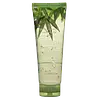 Key Ingredients
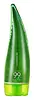
No key ingredients
Benefits
Concerns
Ingredients Side-by-side
Phyllostachys Nigra Extract 99%
Skin ConditioningBetaine
Humectant


Butylene Glycol
Humectant
Portulaca Oleracea Extract
Skin Conditioning
Cananga Odorata Flower Extract
Perfuming


Centella Asiatica Leaf Extract
Skin Conditioning
1,2-Hexanediol
Skin Conditioning
Myrciaria Dubia Fruit Extract
Skin ConditioningTerminalia Ferdinandiana Fruit Extract
Antioxidant
Rosa Canina Fruit Extract
Astringent

Mangifera Indica Fruit Extract
Skin ConditioningHippophae Rhamnoides Fruit Extract
Skin Conditioning
Malpighia Emarginata Fruit Extract
Skin ConditioningPersea Gratissima Fruit Extract
EmollientEthylhexylglycerin
Skin ConditioningMadecassoside
Antioxidant
Polysorbate 20
Emulsifying

Carbomer
Emulsion StabilisingWater
Skin ConditioningGlycerin
Humectant
Disodium EDTA
ChelatingPhenoxyethanol
Preservative
Chlorphenesin
Antimicrobial
Potassium Hydroxide
BufferingParfum
Masking

Phyllostachys Nigra Extract 99%, Betaine, Butylene Glycol, Portulaca Oleracea Extract, Cananga Odorata Flower Extract, Centella Asiatica Leaf Extract, 1,2-Hexanediol, Myrciaria Dubia Fruit Extract, Terminalia Ferdinandiana Fruit Extract, Rosa Canina Fruit Extract, Mangifera Indica Fruit Extract, Hippophae Rhamnoides Fruit Extract, Malpighia Emarginata Fruit Extract, Persea Gratissima Fruit Extract, Ethylhexylglycerin, Madecassoside, Polysorbate 20, Carbomer, Water, Glycerin, Disodium EDTA, Phenoxyethanol, Chlorphenesin, Potassium Hydroxide, Parfum
Aloe Barbadensis Leaf Juice
Skin Conditioning
Nelumbium Speciosum Flower Extract
Skin ConditioningCentella Asiatica Extract
Cleansing
Bambusa Vulgaris Extract
Skin Conditioning
Cucumis Sativus Fruit Extract
Emollient
Zea Mays Leaf Extract
Skin ConditioningBrassica Oleracea Capitata Leaf Extract
Skin ConditioningCitrullus Lanatus Fruit Extract
Skin Conditioning
PEG-60 Hydrogenated Castor Oil
Emulsifying
Sodium Polyacrylate
Absorbent
Carbomer
Emulsion StabilisingTriethanolamine
BufferingParfum
Masking
Phenoxyethanol
Preservative
Aloe Barbadensis Leaf Juice, Nelumbium Speciosum Flower Extract, Centella Asiatica Extract, Bambusa Vulgaris Extract, Cucumis Sativus Fruit Extract, Zea Mays Leaf Extract, Brassica Oleracea Capitata Leaf Extract, Citrullus Lanatus Fruit Extract, PEG-60 Hydrogenated Castor Oil, Sodium Polyacrylate, Carbomer, Triethanolamine, Parfum, Phenoxyethanol
Reviews
Alternatives
Ingredients Explained
These ingredients are found in both products.
Ingredients higher up in an ingredient list are typically present in a larger amount.
Carbomer is a synthetic thickening and gelling agent. It's basically the ingredient that gives a lot of serums, gels, creams, and sunscreens their smooth, non-sticky texture.
Although legally permitted at very high levels, carbomers are normally used at concentrations below 1%.
It also needs to be neutralized to actually thicken, and because it is a large molecule, it doesn't really penetrate the skin barrier.
Allergy-wise, the risk is very low. Clinical studies show carbomers have low potential for skin irritation/sensitization even at concentrations up to 100%.
A 2024 UK study patch-tested 1,302 patients and found true allergy to the parent group of carbomer to be rare with no confirmed relevant reactions.
Learn more about CarbomerParfum is a catch-all term for an ingredient or more that is used to give a scent to products.
Also called "fragrance", this ingredient can be a blend of hundreds of chemicals or plant oils. This means every product with "fragrance" or "parfum" in the ingredients list is a different mixture.
For instance, Habanolide is a proprietary trade name for a specific aroma chemical. When used as a fragrance ingredient in cosmetics, most aroma chemicals fall under the broad labeling category of “FRAGRANCE” or “PARFUM” according to EU and US regulations.
The term 'parfum' or 'fragrance' is not regulated in many countries. In many cases, it is up to the brand to define this term.
For instance, many brands choose to label themselves as "fragrance-free" because they are not using synthetic fragrances. However, their products may still contain ingredients such as essential oils that are considered a fragrance by INCI standards.
One example is Calendula flower extract. Calendula is an essential oil that still imparts a scent or 'fragrance'.
Depending on the blend, the ingredients in the mixture can cause allergies and sensitivities on the skin. Some ingredients that are known EU allergens include linalool and citronellol.
Parfum can also be used to mask or cover an unpleasant scent.
The bottom line is: not all fragrances/parfum/ingredients are created equally. If you are worried about fragrances, we recommend taking a closer look at an ingredient. And of course, we always recommend speaking with a professional.
Learn more about ParfumPhenoxyethanol is one of the most widely used preservatives in skincare (and for good reason!).
It has a large spectrum of antimicrobial activity and especially effective bacteria, yeast, and mold while only having a weak effect on your skin's natural microbiome.
On a cellular level, it disrupts the cell membranes of microbes by poking holes that make the cell leak. This shuts down the chemical reactions the microbe needs to make energy so it can no longer survive.
Another perk of this ingredient is that it stays functional across a wide pH range (3-10).
You'll often see it paired with boosters like Ethylhexylglycerin; one study showed that a 1:9 ratio of Ethylhexylglycerin to Phenoxyethanol damages bacterial membranes as effectively as doubling the Phenoxyethanol concentration on its own.
Typical use concentrations range from 0.3-1% depending on the formula, and this ingredient is capped at 1% int the EU.
Safety-wise, the fear mongering does not hold up to the evidence. The EU's Scientific Committee on Consumer Safety and FDA consider it safe as a preservative at up to 1%, including for children of all ages.
Adverse systemic effects only showed up in animal studies at exposures roughly 200x higher than what people get from cosmetics. And despite its very widespread use, this ingredient is a rare sensitizer and allergic reactions are uncommon.
Learn more about Phenoxyethanol

