This hydrating toner is formulated around Hydrolyzed Hyaluronic Acid and Sodium Hyaluronate to hydrate skin and strengthen the skin barrier.


What's inside
What's inside
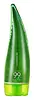 Key Ingredients
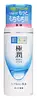
No key ingredients
Benefits
Concerns
Ingredients Side-by-side
Aloe Barbadensis Leaf Juice
Skin Conditioning


Nelumbium Speciosum Flower Extract
Skin ConditioningCentella Asiatica Extract
Cleansing



Bambusa Vulgaris Extract
Skin Conditioning
Cucumis Sativus Fruit Extract
Emollient
Zea Mays Leaf Extract
Skin ConditioningBrassica Oleracea Capitata Leaf Extract
Skin ConditioningCitrullus Lanatus Fruit Extract
Skin Conditioning
PEG-60 Hydrogenated Castor Oil
Emulsifying


Sodium Polyacrylate
Absorbent
Carbomer
Emulsion StabilisingTriethanolamine
BufferingParfum
Masking



Phenoxyethanol
Preservative
Aloe Barbadensis Leaf Juice, Nelumbium Speciosum Flower Extract, Centella Asiatica Extract, Bambusa Vulgaris Extract, Cucumis Sativus Fruit Extract, Zea Mays Leaf Extract, Brassica Oleracea Capitata Leaf Extract, Citrullus Lanatus Fruit Extract, PEG-60 Hydrogenated Castor Oil, Sodium Polyacrylate, Carbomer, Triethanolamine, Parfum, Phenoxyethanol
Water
Skin ConditioningGlycerin
Humectant
Caprylic/Capric Triglyceride
Masking
Dipropylene Glycol
HumectantHydrogenated Poly(C6-12 Olefin)
Skin ConditioningPentylene Glycol
Skin Conditioning
PPG-10 Methyl Glucose Ether
Skin ConditioningBehenyl Alcohol
Emollient
Butylene Glycol
Humectant
Caprylhydroxamic Acid
ChelatingCarbomer
Emulsion StabilisingDimethicone
Emollient
Disodium EDTA
ChelatingGlyceryl Stearate
Emollient
Hydrolyzed Hyaluronic Acid
Humectant
Lactococcus/Hyaluronic Acid Ferment Filtrate
PEG-6
HumectantPEG-32
HumectantPEG-20 Sorbitan Isostearate
Emulsifying
Phytosteryl/Octyldodecyl Lauroyl Glutamate
Skin ConditioningPropanediol
Solvent
Sodium Acetylated Hyaluronate
Humectant
Sodium Hyaluronate
Humectant
Stearyl Alcohol
Emollient
Triethanolamine
BufferingWater, Glycerin, Caprylic/Capric Triglyceride, Dipropylene Glycol, Hydrogenated Poly(C6-12 Olefin), Pentylene Glycol, PPG-10 Methyl Glucose Ether, Behenyl Alcohol, Butylene Glycol, Caprylhydroxamic Acid, Carbomer, Dimethicone, Disodium EDTA, Glyceryl Stearate, Hydrolyzed Hyaluronic Acid, Lactococcus/Hyaluronic Acid Ferment Filtrate, PEG-6, PEG-32, PEG-20 Sorbitan Isostearate, Phytosteryl/Octyldodecyl Lauroyl Glutamate, Propanediol, Sodium Acetylated Hyaluronate, Sodium Hyaluronate, Stearyl Alcohol, Triethanolamine
Reviews
Alternatives
Ingredients Explained
These ingredients are found in both products.
Ingredients higher up in an ingredient list are typically present in a larger amount.
Carbomer is a synthetic thickening and gelling agent. It's basically the ingredient that gives a lot of serums, gels, creams, and sunscreens their smooth, non-sticky texture.
Although legally permitted at very high levels, carbomers are normally used at concentrations below 1%.
It also needs to be neutralized to actually thicken, and because it is a large molecule, it doesn't really penetrate the skin barrier.
Allergy-wise, the risk is very low. Clinical studies show carbomers have low potential for skin irritation/sensitization even at concentrations up to 100%.
A 2024 UK study patch-tested 1,302 patients and found true allergy to the parent group of carbomer to be rare with no confirmed relevant reactions.
Learn more about CarbomerTriethanolamine (TEA) is an emulsifier and pH adjuster. It is created using ethylene oxide and ammonia. This gives Triethanolamine a nitrogen core and a similar scent to ammonia.
As an emulsifier, it prevents ingredients from separating and enhances texture by adding volume to a product.
PH adjusters are common in cosmetic products. The pH of a product can affect the effectiveness of other ingredients. A product with a high pH may also irritate the skin.
If you are looking for the tea leaf ingredient, click here.
Learn more about Triethanolamine

