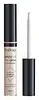
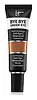
ISADORA Wake Up The Glow Concealer Versus IT Cosmetics Bye Bye Under Eye Full Coverage Anti-Aging Waterproof Concealer


What's inside
What's inside
 Key Ingredients
No key ingredients
Benefits
Concerns
Ingredients Side-by-side
Water
Skin ConditioningSqualane
Emollient


Hydrogenated Polydecene
EmollientPropanediol
Solvent
Glycerin
Humectant
Hydrogenated Didecene
Skin ConditioningPolyglyceryl-4 Isostearate
Emulsifying

Methylpropanediol
SolventDisteardimonium Hectorite
StabilisingMagnesium Sulfate
Propylene Carbonate
SolventCaprylyl Glycol
Emollient
Potassium Sorbate
Preservative
Sodium Dehydroacetate
Preservative
Evodia Rutaecarpa Fruit Extract
Skin ConditioningAluminum Hydroxide
EmollientPhenylpropanol
Masking

Sodium Lauroyl Glutamate
SurfactantLysine
Skin ConditioningMagnesium Chloride
CI 77891
Cosmetic ColorantCI 77492
Cosmetic ColorantCI 77163
Cosmetic Colorant

CI 77491
Cosmetic ColorantCI 77499
Cosmetic ColorantWater, Squalane, Hydrogenated Polydecene, Propanediol, Glycerin, Hydrogenated Didecene, Polyglyceryl-4 Isostearate, Methylpropanediol, Disteardimonium Hectorite, Magnesium Sulfate, Propylene Carbonate, Caprylyl Glycol, Potassium Sorbate, Sodium Dehydroacetate, Evodia Rutaecarpa Fruit Extract, Aluminum Hydroxide, Phenylpropanol, Sodium Lauroyl Glutamate, Lysine, Magnesium Chloride, CI 77891, CI 77492, CI 77163, CI 77491, CI 77499
Paraffinum Liquidum
Emollient


Petrolatum
Emollient
Vp/Hexadecene Copolymer
Silica Dimethyl Silylate
EmollientBis-Diglyceryl Polyacyladipate-2
Emollient
Ozokerite
Emulsion StabilisingPhenoxyethanol
Preservative
Tocopheryl Acetate
Antioxidant


Aluminum Hydroxide
EmollientKaolin
Abrasive



Niacinamide
Smoothing




Sodium Hyaluronate
Humectant
Magnesium Ascorbyl Phosphate
Antioxidant
Ascorbyl Palmitate
Antioxidant
Hydrolyzed Collagen
Emollient
Water
Skin ConditioningTocopherol
Antioxidant
Glycerin
Humectant
Steareth-20
CleansingChlorhexidine Digluconate
Antimicrobial
N-Hydroxysuccinimide
Skin ConditioningSodium Citrate
BufferingPotassium Sorbate
Preservative
Palmitoyl Tripeptide-1
Skin Conditioning
Chrysin
Skin ConditioningPalmitoyl Tetrapeptide-7
Skin Conditioning
Citric Acid
Buffering
Biotin
AntiseborrhoeicParaffinum Liquidum, Petrolatum, Vp/Hexadecene Copolymer, Silica Dimethyl Silylate, Bis-Diglyceryl Polyacyladipate-2, Ozokerite, Phenoxyethanol, Tocopheryl Acetate, Aluminum Hydroxide, Kaolin, Niacinamide, Sodium Hyaluronate, Magnesium Ascorbyl Phosphate, Ascorbyl Palmitate, Hydrolyzed Collagen, Water, Tocopherol, Glycerin, Steareth-20, Chlorhexidine Digluconate, N-Hydroxysuccinimide, Sodium Citrate, Potassium Sorbate, Palmitoyl Tripeptide-1, Chrysin, Palmitoyl Tetrapeptide-7, Citric Acid, Biotin
Reviews
Ingredients Explained
These ingredients are found in both products.
Ingredients higher up in an ingredient list are typically present in a larger amount.
Aluminum Hydroxide is a form of aluminum. It can be naturally found in nature as the mineral gibbsite. In cosmetics, Aluminum Hydroxide is used as a colorant, pH adjuster, and absorbent.
As a colorant, Aluminum Hydroxide may add opacity, or reduce the transparency. Aluminum hydroxide is contains both basic and acidic properties.
According to manufacturers, this ingredient is an emollient and humectant. This means it helps hydrate the skin.
In medicine, this ingredient is used to help relieve heartburn and help heal ulcers.
There is currently no credible scientific evidence linking aluminum hydroxide in cosmetics to increased cancer risk.
Major health organizations allow the use of aluminum hydroxide in personal care products and have not flagged it as a carcinogenic risk at typical usage levels.
Learn more about Aluminum HydroxideGlycerin (or glycerol) is a compound naturally found in your skin. It's a powerhouse humectant that pulls water into the stratum corneum.
Topically, glycerin does several things at once:
Your skin makes glycerin on its own (mostly from sebaceous oil breakdown) and shuttles it to your outermost layer of skin, or your epidermis, via aquaporin-3.
Aquaporin-3 is a transporter that is essential for normal skin hydration, elasticity, and repair. Interestingly, mice lacking in AQP3 have dry and less elastic skin that can be fully corrected with glycerin.
This ingredient is non-irritating, plays well with almost every ingredient, and works across all skin types. Typical use is anywhere between 3-10% but can go up to 79% in some leave-on products.
Just know very high concentrations (>40%) can feel tacky in low humidity.
Glycerin is the name for this ingredient in American English. British English uses Glycerol/Glycerine.
Learn more about GlycerinPotassium Sorbate is a preservative used to prevent yeast and mold in products. It is commonly found in both cosmetic and food products.
This ingredient comes from potassium salt derived from sorbic acid. Sorbic acid is a natural antibiotic and effective against fungus.
Both potassium sorbate and sorbic acid can be found in baked goods, cheeses, dried meats, dried fruit, ice cream, pickles, wine, yogurt, and more.
You'll often find this ingredient used with other preservatives.
Learn more about Potassium SorbateWater. It's the most common cosmetic ingredient of all. You'll usually see it at the top of ingredient lists, meaning that it makes up the largest part of the product.
So why is it so popular? Water most often acts as a solvent - this means that it helps dissolve other ingredients into the formulation.
You'll also recognize water as that liquid we all need to stay alive. If you see this, drink a glass of water. Remember to stay hydrated!
Learn more about Water

