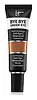
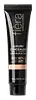
IT Cosmetics Bye Bye Under Eye Full Coverage Anti-Aging Waterproof Concealer Versus Fièra Luxury Concealer

What's inside
What's inside
 Key Ingredients
Benefits
Concerns
Ingredients Side-by-side
Paraffinum Liquidum
Emollient


Petrolatum
Emollient
Vp/Hexadecene Copolymer
Silica Dimethyl Silylate
EmollientBis-Diglyceryl Polyacyladipate-2
Emollient

Ozokerite
Emulsion StabilisingPhenoxyethanol
Preservative
Tocopheryl Acetate
Antioxidant


Aluminum Hydroxide
EmollientKaolin
Abrasive



Niacinamide
Smoothing







Sodium Hyaluronate
Humectant
Magnesium Ascorbyl Phosphate
Antioxidant
Ascorbyl Palmitate
Antioxidant
Hydrolyzed Collagen
Emollient
Water
Skin ConditioningTocopherol
Antioxidant
Glycerin
Humectant
Steareth-20
CleansingChlorhexidine Digluconate
Antimicrobial
N-Hydroxysuccinimide
Skin ConditioningSodium Citrate
BufferingPotassium Sorbate
Preservative
Palmitoyl Tripeptide-1
Skin Conditioning
Chrysin
Skin ConditioningPalmitoyl Tetrapeptide-7
Skin Conditioning
Citric Acid
Buffering
Biotin
AntiseborrhoeicParaffinum Liquidum, Petrolatum, Vp/Hexadecene Copolymer, Silica Dimethyl Silylate, Bis-Diglyceryl Polyacyladipate-2, Ozokerite, Phenoxyethanol, Tocopheryl Acetate, Aluminum Hydroxide, Kaolin, Niacinamide, Sodium Hyaluronate, Magnesium Ascorbyl Phosphate, Ascorbyl Palmitate, Hydrolyzed Collagen, Water, Tocopherol, Glycerin, Steareth-20, Chlorhexidine Digluconate, N-Hydroxysuccinimide, Sodium Citrate, Potassium Sorbate, Palmitoyl Tripeptide-1, Chrysin, Palmitoyl Tetrapeptide-7, Citric Acid, Biotin
Water
Skin ConditioningCaprylic/Capric Triglyceride
Masking
Bis-Diglyceryl Polyacyladipate-2
Emollient
Vp/Hexadecene Copolymer
Cetyl Alcohol
Emollient
Ozokerite
Emulsion StabilisingSilica Dimethyl Silylate
EmollientPhytosteryl Macadamiate
Skin Conditioning
Phenoxyethanol
Preservative
Chlorhexidine Digluconate
Antimicrobial
Ethylhexylglycerin
Skin ConditioningHydrolyzed Collagen
Emollient
Tocopheryl Acetate
Antioxidant
Ascorbyl Palmitate
Antioxidant
Retinyl Palmitate
Skin Conditioning
Glycerin
Humectant
Propylene Glycol
Humectant
Sodium Hyaluronate
Humectant
Steareth-20
CleansingLecithin
Emollient
Magnesium Ascorbyl Phosphate
Antioxidant
Tocopherol
Antioxidant
N-Hydroxysuccinimide
Skin ConditioningChrysin
Skin ConditioningPotassium Sorbate
Preservative
Palmitoyl Tripeptide-1
Skin Conditioning
Palmitoyl Tetrapeptide-7
Skin Conditioning
CI 77891
Cosmetic ColorantCI 77007
Cosmetic ColorantIron Oxides
Water, Caprylic/Capric Triglyceride, Bis-Diglyceryl Polyacyladipate-2, Vp/Hexadecene Copolymer, Cetyl Alcohol, Ozokerite, Silica Dimethyl Silylate, Phytosteryl Macadamiate, Phenoxyethanol, Chlorhexidine Digluconate, Ethylhexylglycerin, Hydrolyzed Collagen, Tocopheryl Acetate, Ascorbyl Palmitate, Retinyl Palmitate, Glycerin, Propylene Glycol, Sodium Hyaluronate, Steareth-20, Lecithin, Magnesium Ascorbyl Phosphate, Tocopherol, N-Hydroxysuccinimide, Chrysin, Potassium Sorbate, Palmitoyl Tripeptide-1, Palmitoyl Tetrapeptide-7, CI 77891, CI 77007, Iron Oxides
Reviews
Ingredients Explained
These ingredients are found in both products.
Ingredients higher up in an ingredient list are typically present in a larger amount.
Ascorbyl Palmitate is a fat-soluble form of vitamin C (Ascorbic Acid) made by combining it with palmitic acid.
It is able to blend easily into creams and oil-based formulas because it dissolves in oils rather than water.
As you may know, regular vitamin C is notorious for breaking down when exposed to sunlight and air. Ascorbyl Palmitate is more stable and degrades at a slower rate.
Research on whether it converts efficiently into active vitamin C once it's applied on your skin is still limited.
Some in-vitro studies suggest it may support collagen production, but it is not considered one of the stronger vitamin C derivatives, like:
Due to the palmitic acid base, this ingredient may not be fungal acne safe. Comedogenic studies have also shown this ingredient to have a rating of 2.
It's also worth keeping in mind that comedogenic and irritancy ratings are tested on individual ingredients, not finished formulas. The final product's formulation, concentration, and other ingredients all play a role in how something actually behaves on your skin.
Learn more about Ascorbyl PalmitateBis-Diglyceryl Polyacyladipate-2 is a synthetic emollient that works as a lanolin substitute.
This ingredient is a great vegan option for those avoiding animal-derived ingredients.
It mostly stays on the surface of skin where it helps hydrate due to its large molecular size and low water solubility.
Due to it being derived from fatty acids, this ingredient may not be Malassezia or fungal acne safe.
Learn more about Bis-Diglyceryl Polyacyladipate-2Chlorhexidine Digluconate is a preservative.
We don't have a description for Chrysin yet.
Glycerin (or glycerol) is a compound naturally found in your skin. It's a powerhouse humectant that pulls water into the stratum corneum.
Topically, glycerin does several things at once:
Your skin makes glycerin on its own (mostly from sebaceous oil breakdown) and shuttles it to your outermost layer of skin, or your epidermis, via aquaporin-3.
Aquaporin-3 is a transporter that is essential for normal skin hydration, elasticity, and repair. Interestingly, mice lacking in AQP3 have dry and less elastic skin that can be fully corrected with glycerin.
This ingredient is non-irritating, plays well with almost every ingredient, and works across all skin types. Typical use is anywhere between 3-10% but can go up to 79% in some leave-on products.
Just know very high concentrations (>40%) can feel tacky in low humidity.
Glycerin is the name for this ingredient in American English. British English uses Glycerol/Glycerine.
Learn more about GlycerinHydrolyzed Collagen is Collagen (usually sourced from fish, bovine, or porcine byproducts) that's been broken down into smaller peptides. This makes it water-soluble and easy to blend into formulations.
In a formula, it works mainly as a skin-conditioning and moisturizing agent.
The small peptides and amino acids (including Natural Moisturizing Factor components like Hydroxyproline, Serine, and Aspartic Acid) help the surface of the skin hold onto water, feel softer, and look temporarily plumper.
This ingredient also has mild film-forming and antioxidant properties with research showing the antioxidant effect is stronger the lower the molecular weight of the peptides.
It's worth being realistic here:
Topically applied Hydrolyzed Collagen conditions the upper layers of skin rather than rebuilding the structural collagen deep in your dermis (the wrinkle-and-firmness benefits people associate with Collagen mostly come from oral supplements in studies, not topicals).
However, recent lab and skin-model work on Hydrolyzed Fish Collagen has shown promising effects on cell viability and wound healing when used as an active.
Typical concentrations range from 0.2-2%, but the percentage can go much higher in rinse-off or hair products (sometimes even above 50%).
Clinical studies on this ingredient showed no irritation, sensitization, or phototoxicity.
If you are looking for vegan collagen, it usually goes by a different INCI name like hydrolyzed soy protein. Vegan collagen is derived from yeast, bacteria, or plant sources.
The results are varied.
A study from 2021 found hydrolyzed collagen increased elasticity and improved wrinkles in 1,125 participants between age 20 and 70. Another study found increased skin thickness in participants between the ages of 45 to 59.
However, It is difficult to prove that oral collagen will end up working on your skin. Many of the studies using hydrolyzed collagen also add several vitamins and nutrients into the test mixture as well.
Further studies are needed at this time.
Learn more about Hydrolyzed CollagenMagnesium Ascorbyl Phosphate (MAP) is a water-soluble form of Vitamin C. It is used in skincare because it tends to be more formulation friendly than pure vitamin C (ascorbic acid).
According to research, MAP has three major benefits:
While MAP is gentler on the skin than ascorbic acid, it is thought to be less easily absorbed into the skin.
In a well-known absorption study, pure vitamin C increased skin vitamin C levels when formulated correctly, but derivatives like MAP did not in that experiment. This suggests MAP may not always convert into active vitamin C in the skin.
Due to MAP's stability up to a pH level of 7, it is more stable to air and sunlight exposure than ascorbic acid. The best pH range for MAP is between 5 and 6.
Learn more about Magnesium Ascorbyl PhosphateWe don't have a description for N-Hydroxysuccinimide yet.
Ozokerite is a naturally occuring mineral wax. In cosmetics, ozokerite is used as a texture enhancer.
Ceresin wax is derived from this ingredient.
The melting point of ozokerite is 58-100 C.
Ozokerite is found all over the world including Scotland, the US, and India.
Learn more about OzokeritePalmitoyl Tetrapeptide-7 (formerly Palmitoyl Tetrapeptide-3) is a synthetic peptide. Its main job is to fight what researchers call "inflammaging".
"Inflammaging" is the slow, low-grade chronic inflammation that quietly breaks down collagen as we age.
This ingredient calms down a specific inflammation signal in your skin cells (called IL-6). When left unchecked, this signal triggers enzymes that break down collagen and elastin.
Clinical testing showed statistically significant improvements in:
Studies also found the more of this ingredient used, the more your skin produces Collagen I, fibronectin, and hyaluronic acid.
You'll likely see this ingredient paired with Palmitoyl Tripeptide-1 in the well-known Matrixyl 3000 complex for enhanced anti-aging effects.
A 3% concentration applied twice daily for two months showed meaningful skin rejuvenation results in clinical panels.
Fungal acne note:
Usually a palmitic acid component can feed Malassezia in unbound form, but here is is covalently bonded to the peptide. This means it is very difficult for Malassezia to access, and therefore very unlikely to cause fungal acne.
Palmitoyl Tripeptide-1 (aka Pal-GHK) is a synthetic signal peptide made of three amino acids attached to palmitic acid.
That fatty acid attachment is the key: it boosts the peptide's ability to penetrate the skin barrier. This puts it closer to the dermal cells where it can actually make a difference.
Once there, it acts as a matrikine, a signaling peptide that prompts fibroblasts to produce more collagen, fibronectin, and hyaluronic acid.
In vitro studies show it can boost collagen production in skin cells even when UV-damaged skin samples were treated with it at a tiny concentration (it almost fully restored dermal collagen at 5ppm). It achieved this at 100x lower concentration than retinoic acid, which needed 500 ppm to do the same thing.
Human clinical data is promising, but modest:
A study of 23 female volunteers found a small but statistically significant increase (~4%) in skin thickness after treatment at 4 ppm.
A separate small trial of 15 women showed statistically significant reductions in wrinkle length, depth, and skin roughness after applying it twice daily for four weeks.
You'll likely see Pal-GHK paired with Palmitoyl Tetrapeptide-7 as part of the Matrixyl 3000 complex.
Fungal acne note:
Usually a palmitic acid component can feed Malassezia in unbound form, but here is is covalently bonded to the peptide. This means it is very difficult for Malassezia to access, and therefore very unlikely to cause fungal acne.
Phenoxyethanol is one of the most widely used preservatives in skincare (and for good reason!).
It has a large spectrum of antimicrobial activity and especially effective bacteria, yeast, and mold while only having a weak effect on your skin's natural microbiome.
On a cellular level, it disrupts the cell membranes of microbes by poking holes that make the cell leak. This shuts down the chemical reactions the microbe needs to make energy so it can no longer survive.
Another perk of this ingredient is that it stays functional across a wide pH range (3-10).
You'll often see it paired with boosters like Ethylhexylglycerin; one study showed that a 1:9 ratio of Ethylhexylglycerin to Phenoxyethanol damages bacterial membranes as effectively as doubling the Phenoxyethanol concentration on its own.
Typical use concentrations range from 0.3-1% depending on the formula, and this ingredient is capped at 1% int the EU.
Safety-wise, the fear mongering does not hold up to the evidence. The EU's Scientific Committee on Consumer Safety and FDA consider it safe as a preservative at up to 1%, including for children of all ages.
Adverse systemic effects only showed up in animal studies at exposures roughly 200x higher than what people get from cosmetics. And despite its very widespread use, this ingredient is a rare sensitizer and allergic reactions are uncommon.
Learn more about PhenoxyethanolPotassium Sorbate is a preservative used to prevent yeast and mold in products. It is commonly found in both cosmetic and food products.
This ingredient comes from potassium salt derived from sorbic acid. Sorbic acid is a natural antibiotic and effective against fungus.
Both potassium sorbate and sorbic acid can be found in baked goods, cheeses, dried meats, dried fruit, ice cream, pickles, wine, yogurt, and more.
You'll often find this ingredient used with other preservatives.
Learn more about Potassium SorbateThis silica is mainly used to thicken oils and suspend particles in oils. It is not water soluble.
According to the manufacturer, it:
The manufacturer also claims this ingredient to be useful in makeup.
In lipstick formulations, this ingredient improves color payoff, reduces pigment settling, and reduces oil bleeding. This ingredient also improves the grip of powder products such as dry shampoos.
Learn more about Silica Dimethyl SilylateSodium Hyaluronate is the salt form of hyaluronic acid. It is a long sugar chain that is naturally found in your skin, joints, and connective tissue that maintains hydration and elasticity.
In skincare, it works as a humectant. It pulls water from the environment and deeper layers of skin and binds it to the surface.
Interestingly, the size of the molecule affects its behavior:
Some clinical evidence links low molecular weight versions to improved wrinkle depth, elasticity, anti-inflammatory effects, and barrier repair.
Many serums use a blend of both weights so you can get surface hydration plus longer-lasting and deeper effects.
You'll typically see concentrations between 0.1-2% for this ingredient.
Learn more about Sodium HyaluronateSteareth-20 is an emulsifier and solubilizer. It is created from stearyl alcohol with ~20 units of ethylene oxide to give it a strong preference for water.
As an emulsifier, it helps oil-in-water emulsions like lotions, creams, and cleansers stay stable. It also solubilizes small amounts of oil-loving ingredients (like fragrance) into water-based formulas.
You'll likely find this ingredient with steareth-2 (it's oil-loving sister) where the two work together to give products a cushiony feel.
Typical use levels sit at around 1-5% and this ingredient has been found to be non-irritating by the CIR Expert Panel.
Learn more about Steareth-20Tocopherol is a fat-soluble antioxidant known as Vitamin E.
You'll find this ingredient in the vast majority of skincare (for good reason). It works to neutralize free radicals, or unstable molecules generated by UV exposure, pollution, and other environmental stressors, before they can cause oxidative damage to your skin cells.
Topically applied tocopherol has been shown to protect against UV damage by ramping up the skin's own natural defense enzymes.
It also acts as a skin conditioning agent; some studies show that regular topical use can improve the skin's water-binding capacity over 2-4 weeks.
This ingredient is especially loved for being a team player. When combined with Vitamin C, the photoprotective effect of both ingredients roughly doubles and the combo also helps reduce UV-induced DNA damage.
This ingredient has some brightening potential but it's more of a prevention ingredient than spot-fader. Cell studies show it can slow down melanin production but it's worth noting that it's not the most powerful brightener out there.
In formulations, it also serves as a stabilizer that helps protect other oxidation-prone ingredients from degrading.
Concentrations usually range from 0.1-1% in most leave-on products.
Learn more about TocopherolTocopheryl Acetate is a stable, shelf-friendly form of vitamin E.
Formulators love it because plain vitamin E oxidizes quickly once it hits air. This acetate version stays stable and resists going off, helping to extend a product's shelf life.
It's actually inactive on its own and works like a slow-release "storage" form; the enzymes in your skin called esterases gradually convert it into active vitamin E over time.
One in vivo study showed 5% of the acetate in the living layer of the epidermis converted to vitamin E after 5 days of application. This study also found the skin gained protection against UV damage even though the conversion was slow and small.
Once converted, vitamin E acts as a skin's main fat-soluble antioxidant that fights free radicals to protect skin from damage.
Topical vitamin E generally boosts the skin's photoprotection, and it reduced UV-damage in animal models.
This ingredient has some brightening potential but it's more of a prevention ingredient than spot-fader. Cell studies show it can slow down melanin production but it's worth noting that it's not the most powerful brightener out there.
Overall, it has a pretty solid safety profile and has been found to be non-irritating and non-comedogenic. Allergic reactions may happen but stay rare due to how widely the ingredient gets used.
The concentration will vary depending on the formula; industry data shows 0.1% in baby lotions, 3% in lipsticks, and 5% in foot powders. You can also find this ingredient at 100% in a pure vitamin E oil.
Most leave-on skincare keeps it at the lower end, often between 0.5-1%.
Learn more about Tocopheryl AcetateVP/Hexadecene Copolymer is a synthetic film-forming agent. It has both water and oil loving properties, allowing it to create a flexible, even film on the skin.
This ingredient helps enhance texture, smoothness, and wear resistance in makeup products while reducing tackiness.
Water. It's the most common cosmetic ingredient of all. You'll usually see it at the top of ingredient lists, meaning that it makes up the largest part of the product.
So why is it so popular? Water most often acts as a solvent - this means that it helps dissolve other ingredients into the formulation.
You'll also recognize water as that liquid we all need to stay alive. If you see this, drink a glass of water. Remember to stay hydrated!
Learn more about Water

