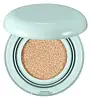
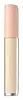
innisfree No-Sebum Powder Cushion SPF 29 PA++ Versus Rare Beauty Positive Light Under Eye Brightener


What's inside
What's inside
 Key Ingredients
Benefits
Concerns
No concerns
Ingredients Side-by-side
Water
Skin ConditioningCI 77891
Cosmetic ColorantCyclopentasiloxane
Emollient
Butylene Glycol
Humectant

Methyl Trimethicone
Skin Conditioning
Pentaerythrityl Tetraethylhexanoate
Emollient
PEG-10 Dimethicone
Skin Conditioning
Cyclohexasiloxane
Emollient
Silica
Abrasive


Boron Nitride
Absorbent
Mica
Cosmetic ColorantLauryl Polyglyceryl-3 Polydimethylsiloxyethyl Dimethicone
Skin Conditioning
Dimethicone
Emollient
Trimethylsiloxysilicate
Emollient
Diisostearyl Malate
EmollientVinyl Dimethicone/Methicone Silsesquioxane Crosspolymer
CI 77492
Cosmetic ColorantPolymethyl Methacrylate
Disteardimonium Hectorite
StabilisingAcrylates/Ethylhexyl Acrylate/Dimethicone Methacrylate Copolymer
Skin Conditioning
Polysilicone-11
Sodium Chloride
MaskingPanthenol
Skin Conditioning

Alumina
Abrasive
Aluminum Hydroxide
EmollientDimethicone/Vinyl Dimethicone Crosspolymer
Skin Conditioning
Triethoxycaprylylsilane
CI 77491
Cosmetic ColorantCaprylyl Glycol
Emollient
Polysorbate 80
Emulsifying
Ethylhexylglycerin
Skin ConditioningGlyceryl Caprylate
EmollientHydrogenated Lecithin
Emulsifying
Methicone
Emollient
CI 77499
Cosmetic ColorantDisodium EDTA
Propanediol
Solvent
Polymethylsilsesquioxane
Aluminum Starch Octenylsuccinate
Absorbent
1,2-Hexanediol
Skin Conditioning
Tocopherol
Antioxidant




Camellia Sinensis Leaf Extract
Antimicrobial
Water, CI 77891, Cyclopentasiloxane, Butylene Glycol, Methyl Trimethicone, Pentaerythrityl Tetraethylhexanoate, PEG-10 Dimethicone, Cyclohexasiloxane, Silica, Boron Nitride, Mica, Lauryl Polyglyceryl-3 Polydimethylsiloxyethyl Dimethicone, Dimethicone, Trimethylsiloxysilicate, Diisostearyl Malate, Vinyl Dimethicone/Methicone Silsesquioxane Crosspolymer, CI 77492, Polymethyl Methacrylate, Disteardimonium Hectorite, Acrylates/Ethylhexyl Acrylate/Dimethicone Methacrylate Copolymer, Polysilicone-11, Sodium Chloride, Panthenol, Alumina, Aluminum Hydroxide, Dimethicone/Vinyl Dimethicone Crosspolymer, Triethoxycaprylylsilane, CI 77491, Caprylyl Glycol, Polysorbate 80, Ethylhexylglycerin, Glyceryl Caprylate, Hydrogenated Lecithin, Methicone, CI 77499, Disodium EDTA, Propanediol, Polymethylsilsesquioxane, Aluminum Starch Octenylsuccinate, 1,2-Hexanediol, Tocopherol, Camellia Sinensis Leaf Extract
Water
Skin ConditioningDipropylheptyl Carbonate
EmollientHydrogenated Didecene
Skin ConditioningGlycerin
Humectant
Phenyl Trimethicone
Skin Conditioning
Cetyl PEG/PPG-10/1 Dimethicone
Emulsifying
Pvp
Emulsion StabilisingLauryl PEG-9 Polydimethylsiloxyethyl Dimethicone
Skin Conditioning
Butylene Glycol
Humectant
Sodium Chloride
MaskingGlyceryl Behenate
Emollient
Silica
Abrasive
Disteardimonium Hectorite
StabilisingHydroxyacetophenone
Antioxidant
Helianthus Annuus Seed Oil
Emollient
Methicone
Emollient
1,2-Hexanediol
Skin Conditioning
Caprylyl Glycol
Emollient
Tocopheryl Acetate
Antioxidant
Dimethicone/Vinyl Dimethicone Crosspolymer
Skin Conditioning
Trisodium Ethylenediamine Disuccinate
Paeonia Lactiflora Root Extract
Skin ConditioningTocopherol
Antioxidant
Talc
Abrasive
Gardenia Florida Fruit Extract
Skin ConditioningNelumbo Nucifera Flower Extract
Skin ConditioningNymphaea Odorata Root Extract
RefreshingVitex Agnus Castus Extract
AstringentIron Oxides
CI 77163
Cosmetic Colorant

CI 77891
Cosmetic ColorantWater, Dipropylheptyl Carbonate, Hydrogenated Didecene, Glycerin, Phenyl Trimethicone, Cetyl PEG/PPG-10/1 Dimethicone, Pvp, Lauryl PEG-9 Polydimethylsiloxyethyl Dimethicone, Butylene Glycol, Sodium Chloride, Glyceryl Behenate, Silica, Disteardimonium Hectorite, Hydroxyacetophenone, Helianthus Annuus Seed Oil, Methicone, 1,2-Hexanediol, Caprylyl Glycol, Tocopheryl Acetate, Dimethicone/Vinyl Dimethicone Crosspolymer, Trisodium Ethylenediamine Disuccinate, Paeonia Lactiflora Root Extract, Tocopherol, Talc, Gardenia Florida Fruit Extract, Nelumbo Nucifera Flower Extract, Nymphaea Odorata Root Extract, Vitex Agnus Castus Extract, Iron Oxides, CI 77163, CI 77891
Reviews
Ingredients Explained
These ingredients are found in both products.
Ingredients higher up in an ingredient list are typically present in a larger amount.
1,2-Hexanediol is a synthetic liquid and another multi-functional powerhouse.
It is a:
- Humectant, drawing moisture into the skin
- Emollient, helping to soften skin
- Solvent, dispersing and stabilizing formulas
- Preservative booster, enhancing the antimicrobial activity of other preservatives
Butylene Glycol (or BG) is used within cosmetic products for a few different reasons:
Overall, Butylene Glycol is a safe and well-rounded ingredient that works well with other ingredients.
Though this ingredient works well with most skin types, some people with sensitive skin may experience a reaction such as allergic rashes, closed comedones, or itchiness.
Learn more about Butylene GlycolCaprylyl Glycol is a humectant, skin conditioner, emollient, and preservative booster derived from either caprylic acid or synthetically created.
Typical use levels vary from 0.3-1% as a preservative booster and go up to 2% to condition skin.
Because it is not a free-fatty acid or alcohol, this ingredient is fungal acne safe (there's nothing for Malassezia to feed on).
Learn more about Caprylyl GlycolCi 77891 is a white pigment from Titanium dioxide. It is naturally found in minerals such as rutile and ilmenite.
It's main function is to add a white color to cosmetics. It can also be mixed with other colors to create different shades.
Ci 77891 is commonly found in sunscreens due to its ability to block UV rays.
Learn more about CI 77891This ingredient is a silicone elastomer that works as a texture enhancer, adds a silky slip, and also helps absorb excess oil.
Because it's a large macromolecule that's insoluble in water and chemically inert, it's not expected to penetrate or be absorbed into skin.
Human patch tests with a facial lotion containing 1% of this ingredient found no sensitization.
Learn more about Dimethicone/Vinyl Dimethicone CrosspolymerDisteardimonium Hectorite comes from the clay mineral named hectorite. It is used to add thickness to a product.
It can also help stabilize a product by helping to disperse other ingredients.
Hectorite is a rare, white clay mineral.
Learn more about Disteardimonium HectoriteMethicone is a type of silicone and is a simpler form of dimethicone.
Silicones are used to enhance the texture of products and have emollient properties. Methicone is used to give products a silky texture and improves spreadability.
Silica, also known as silicon dioxide, is a naturally occurring mineral. It is used as a fine, spherical, and porous powder in cosmetics.
Though it has exfoliant properties, the function of silica varies depending on the product.
The unique structure of silica enhances the spreadability and adds smoothness, making it a great texture enhancer.
It is also used as an active carrier, emulsifier, and mattifier due to its ability to absorb excess oil.
In some products, tiny microneedles called spicules are made from silica or hydrolyzed sponge. When you rub them in, they lightly polish away dead skin layers and enhance the penetration of active ingredients.
Learn more about SilicaChances are, you eat sodium chloride every day. Sodium Chloride is also known as table salt. This ingredient has many purposes in skincare: thickener, emulsifier, and exfoliator.
You'll most likely find this ingredient in cleansers where it is used to create a gel-like texture. As an emulsifier, it also prevents ingredients from separating.
You might see people debate whether Sodium Chloride is comedogenic, but there actually haven't been any comedogenic tests done on it. Either way, the overall formulation of a product matters a lot more than any single ingredient.
You might see this ingredient used in scrubs as a primary exfoliating ingredient.
Learn more about Sodium ChlorideTocopherol (also known as Vitamin E) is a common antioxidant used to help protect the skin from free-radicals and strengthen the skin barrier. It's also fat soluble - this means our skin is great at absorbing it.
Vitamin E also helps keep your natural skin lipids healthy. Your lipid skin barrier naturally consists of lipids, ceramides, and fatty acids. Vitamin E offers extra protection for your skin’s lipid barrier, keeping your skin healthy and nourished.
Another benefit is a bit of UV protection. Vitamin E helps reduce the damage caused by UVB rays. (It should not replace your sunscreen). Combining it with Vitamin C can decrease sunburned cells and hyperpigmentation after UV exposure.
You might have noticed Vitamin E + C often paired together. This is because it is great at stabilizing Vitamin C. Using the two together helps increase the effectiveness of both ingredients.
There are often claims that Vitamin E can reduce/prevent scarring, but these claims haven't been confirmed by scientific research.
Learn more about TocopherolWater. It's the most common cosmetic ingredient of all. You'll usually see it at the top of ingredient lists, meaning that it makes up the largest part of the product.
So why is it so popular? Water most often acts as a solvent - this means that it helps dissolve other ingredients into the formulation.
You'll also recognize water as that liquid we all need to stay alive. If you see this, drink a glass of water. Remember to stay hydrated!
Learn more about Water
