innisfree Green Tea Enzyme Vitamin C Brightening Toner Pads Versus Pixi Beauty BeautifEYE Vitamin-C & Licorice Patches
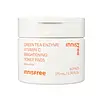
This brightening toner pad uses a pre-saturated pad with Niacinamide and Magnesium Ascorbyl Phosphate to brighten dull-looking skin and refine skin texture.
This brightening eye mask is formulated around Niacinamide and Ascorbic Acid to brighten dull-looking skin and fade the look of dark spots.


What's inside
What's inside
 Key Ingredients

Benefits
Concerns
Ingredients Side-by-side
Water
Skin ConditioningButylene Glycol
Humectant

Glycerin
Humectant
Niacinamide
Smoothing









1,2-Hexanediol
Skin Conditioning
Panthenol
Skin Conditioning
Allantoin
Skin Conditioning
Magnesium Ascorbyl Phosphate
Antioxidant

Hydroxyethylcellulose
Emulsion StabilisingCitric Acid
Buffering

Ethylhexylglycerin
Skin ConditioningPolyglyceryl-10 Laurate
Skin Conditioning
Dipropylene Glycol
HumectantDipotassium Glycyrrhizate
Humectant
Sodium Phytate
Dextrin
AbsorbentSodium Hyaluronate
Humectant
Sodium Citrate
BufferingGluconolactone
Skin Conditioning
Methyl Diisopropyl Propionamide
MaskingPropanediol
Solvent
Cyclodextrin
AbsorbentBeta-Glucan
Skin Conditioning
Protease
Exfoliating
Citrus Reticulata Peel Extract
Skin ConditioningTocopherol
Antioxidant
Glutathione
Ferulic Acid
Antimicrobial
Madecassoside
Antioxidant
Water, Butylene Glycol, Glycerin, Niacinamide, 1,2-Hexanediol, Panthenol, Allantoin, Magnesium Ascorbyl Phosphate, Hydroxyethylcellulose, Citric Acid, Ethylhexylglycerin, Polyglyceryl-10 Laurate, Dipropylene Glycol, Dipotassium Glycyrrhizate, Sodium Phytate, Dextrin, Sodium Hyaluronate, Sodium Citrate, Gluconolactone, Methyl Diisopropyl Propionamide, Propanediol, Cyclodextrin, Beta-Glucan, Protease, Citrus Reticulata Peel Extract, Tocopherol, Glutathione, Ferulic Acid, Madecassoside
Water
Skin ConditioningGlycerin
Humectant
Hippophae Rhamnoides Water
Masking
Carrageenan



Dipropylene Glycol
HumectantNiacinamide
Smoothing
Ascorbic Acid
Antioxidant
Cocos Nucifera Fruit Extract
Emollient
Citrus Limon Fruit Extract
Masking
Camellia Sinensis Leaf Extract
Antimicrobial
Panax Ginseng Root Extract
Emollient
Glycyrrhiza Glabra Root Extract
Bleaching
Arginine
Masking
Ferulic Acid
Antimicrobial
Caffeine
Skin Conditioning
Dipotassium Glycyrrhizate
Humectant
Cyamopsis Tetragonoloba Gum
Emulsion StabilisingCeratonia Siliqua Gum
EmollientPropanediol
Solvent
Calcium Chloride
AstringentPentylene Glycol
Skin Conditioning
Pinus Sylvestris Leaf Extract
TonicEthyl Hexanediol
Solvent1,2-Hexanediol
Skin Conditioning
Potassium Chloride
Polyglyceryl-10 Laurate
Skin Conditioning
Allantoin
Skin Conditioning
Cellulose Gum
Emulsion StabilisingChlorphenesin
Antimicrobial
Sucrose
Humectant
Calcium Lactate
AstringentCaprylyl Glycol
Emollient
Squalane
Emollient
Ethylhexylglycerin
Skin ConditioningDisodium EDTA
CI 77492
Cosmetic ColorantWater, Glycerin, Hippophae Rhamnoides Water, Carrageenan, Dipropylene Glycol, Niacinamide, Ascorbic Acid, Cocos Nucifera Fruit Extract, Citrus Limon Fruit Extract, Camellia Sinensis Leaf Extract, Panax Ginseng Root Extract, Glycyrrhiza Glabra Root Extract, Arginine, Ferulic Acid, Caffeine, Dipotassium Glycyrrhizate, Cyamopsis Tetragonoloba Gum, Ceratonia Siliqua Gum, Propanediol, Calcium Chloride, Pentylene Glycol, Pinus Sylvestris Leaf Extract, Ethyl Hexanediol, 1,2-Hexanediol, Potassium Chloride, Polyglyceryl-10 Laurate, Allantoin, Cellulose Gum, Chlorphenesin, Sucrose, Calcium Lactate, Caprylyl Glycol, Squalane, Ethylhexylglycerin, Disodium EDTA, CI 77492
Reviews
Ingredients Explained
These ingredients are found in both products.
Ingredients higher up in an ingredient list are typically present in a larger amount.
1,2-Hexanediol is a synthetic liquid and another multi-functional powerhouse.
It is a:
- Humectant, drawing moisture into the skin
- Emollient, helping to soften skin
- Solvent, dispersing and stabilizing formulas
- Preservative booster, enhancing the antimicrobial activity of other preservatives
Allantoin is a soothing ingredient known for its protective and moisturizing properties; it's basically a quiet workhorse ingredient you can find in a huge range of cosmetics.
Though it can be derived from the comfrey plant, allantoin is produced synthetically for cosmetic products to ensure purity.
Research shows it can encourage your skin cells to turn over and renew by stimulating keratinocyte and fibroblast proliferation.
It also has mild keratolytic properties to help loosen and shed dead skin cells without being harsh.
Studies also suggest allantoin can help calm inflammation by dialing down some of the chemical signals your skin sends out when it is irritated.
This ingredient is typically used in the 0.1-0.5% range, and the FDA recognizes it as a skin protectant in OTC products up to 2%.
Overall, allantoin is a wonderful addition to most routines; it is stable across a wide pH range (~4-8), works well with other ingredients, and is considered non-sensitizing/non-irritating.
Fun fact: Allantoin is naturally occurring in comfrey root, beets, chamomile, and wheat sprouts. Our bodies even produce it as a byproduct of uric acid metabolism.
Learn more about AllantoinDipotassium Glycyrrhizate comes from licorice root.
Extracts of licorice have demonstrated to have antibacterial, anti‐inflammatory, antiviral, antioxidant properties.
One component, glabridin, has extra potent antioxidant and soothing properties. It has also been found to block pigmentation from UVB rays in guinea pigs.
Licorice Root also contains a flavonoid. Flavonoids are a natural substance from in plants. Flavonoids also have antioxidant properties.
Another component, glycyrrhizin, has been found to have anti-inflammatory and antimicrobial benefits. This may make licorice root extract effective at treating acne. However, more research is needed to support this.
Liquiritin is one of the flavone compounds found in licorice. It has been found to help lighten skin by preventing tyrosinase from reacting with tyrosine. When the two react, protein is converted to melanin. Melanin is the substance in your body that gives your features pigmentation.
Licorice root is native to Southern Europe and Asia. It has been used in traditional Chinese medicine to help with respiratory issues.
Learn more about Dipotassium GlycyrrhizateDipropylene Glycol is a synthetically created humectant, stabilizer, and solvent.
This ingredient helps:
Dipropylene glycol is technically an alcohol, but it belongs to the glycol family (often considered part of the ‘good’ alcohols). This means it is hydrating and gentle on skin unlike drying solvent alcohols like denatured alcohol.
As a masking agent, Dipropylene Glycol can be used to cover the smell of other ingredients. However, it does not have a scent.
Studies show Dipropylene Glycol is considered safe to use in skincare.
Learn more about Dipropylene GlycolEthylhexylglycerin is created from glycerin. It is a multitasker ingredient that:
The CIR Expert Panel found minimal skin absorption or sensitization of any kind in a safety assessment. Though this ingredient is considered well-tolerated, a small number of cases of allergic dermatitis have been published since 2002. Just be sure to patch test if you are unsure.
Industry-reported use ranges from 8% in rinse-off products and 2% in leave-on formulations.
Learn more about EthylhexylglycerinFerulic Acid is a plant based antioxidant that can be naturally found in the cell walls of grains like rice, oats, and corn. It has antioxidant and antimicrobial properties, and has the ability to boost the performance of other antioxidants as well.
A well-known study found that adding Ferulic Acid to a solution of Vitamins C and E doubled the photoprotection of skin. This is why you'll often see it paired with Vitamin C or Vitamin E serums rather than sold on its own.
A 2025 review of 18 human studies found that using Ferulic Acid (0.5-1%) daily for one to three months showed improvements in:
As far as allergies go, Ferulic acid is generally well-tolerated but can cause an allergic reaction in very rare cases. It's also worth noting that Ferulic acid is often extracted from plant sources like rice bran or wheat bran, so be sure to path test if you have known grain allergies.
Outside of skincare, researchers are also looking into Ferulic Acid for its potential benefits in areas like diabetes, Alzheimer's, and heart health.
Learn more about Ferulic AcidGlycerin (or glycerol) is a compound naturally found in your skin. It's a powerhouse humectant that pulls water into the stratum corneum.
Topically, glycerin does several things at once:
Your skin makes glycerin on its own (mostly from sebaceous oil breakdown) and shuttles it to your outermost layer of skin, or your epidermis, via aquaporin-3.
Aquaporin-3 is a transporter that is essential for normal skin hydration, elasticity, and repair. Interestingly, mice lacking in AQP3 have dry and less elastic skin that can be fully corrected with glycerin.
This ingredient is non-irritating, plays well with almost every ingredient, and works across all skin types. Typical use is anywhere between 3-10% but can go up to 79% in some leave-on products.
Just know very high concentrations (>40%) can feel tacky in low humidity.
Glycerin is the name for this ingredient in American English. British English uses Glycerol/Glycerine.
Learn more about GlycerinNiacinamide is a multitasking form of vitamin B3 that strengthens the skin barrier, reduces pores and dark spots, regulates oil, and improves signs of aging.
And the best part? It's gentle and well-tolerated by most skin types, including sensitive and reactive skin.
You might have heard of "niacin flush", or the reddening of skin that causes itchiness. Niacinamide has not been found to cause this.
In very rare cases, some individuals may not be able to tolerate niacinamide at all or experience an allergic reaction to it.
If you are experiencing flaking, irritation, and dryness with this ingredient, be sure to double check all your products as this ingredient can be found in all categories of skincare.
When incorporating niacinamide into your routine, look out for concentration amounts. Typically, 5% niacinamide provides benefits such as fading dark spots. However, if you have sensitive skin, it is better to begin with a smaller concentration.
When you apply niacinamide to your skin, your body converts it into nicotinamide adenine dinucleotide (NAD). NAD is an essential coenzyme that is already found in your cells as "fuel" and powers countless biological processes.
In your skin, NAD helps repair cell damage, produce new healthy cells, support collagen production, strengthen the skin barrier, and fight environmental stressors (like UV and pollution).
Our natural NAD levels start to decline with age, leading to slower skin repair, visible aging, and a weaker skin barrier. By providing your skin niacinamide, you're recharging your skin's NAD levels. This leads to stronger, healthier, and younger looking skin.
Another name for vitamin B3 is nicotinamide. This vitamin is water-soluble and our bodies don't store it. We obtain Vitamin B3 from either food or skincare. Meat, fish, wheat, yeast, and leafy greens contain vitamin B3.
The type of niacinamide used in skincare is synthetically created.
Learn more about NiacinamidePolyglyceryl-10 Laurate is a cleansing agent and emulsifier.
It rounds up dirt, oil, and grime, so they can be rinsed off easily as a cleanser.
On the emulsifier side, it keeps your formula smooth and well-mixed by playing peacekeeper for ingredients that don't naturally get along (like oil and water).
Because it has a C12 (lauric acid) fatty acid chain, this ingredient can potentially feed the Malassezia yeast that causes fungal acne. The Malassezia yeast prefers esters with C11-C24 fatty acids.
This ingredient is an ester of lauric acid and Polyglycerin-10.
Learn more about Polyglyceryl-10 LauratePropanediol is an all-star ingredient. It softens, hydrates, and smooths the skin.
It’s often used to:
Propanediol is not likely to cause sensitivity and considered safe to use. It is derived from corn or petroleum with a clear color and no scent.
Learn more about PropanediolWater. It's the most common cosmetic ingredient of all. You'll usually see it at the top of ingredient lists, meaning that it makes up the largest part of the product.
So why is it so popular? Water most often acts as a solvent - this means that it helps dissolve other ingredients into the formulation.
You'll also recognize water as that liquid we all need to stay alive. If you see this, drink a glass of water. Remember to stay hydrated!
Learn more about Water

