

What's inside
What's inside
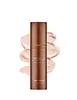 Key Ingredients
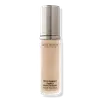
No key ingredients
Benefits
Concerns
Ingredients Side-by-side
Aloe Barbadensis Leaf Juice
Skin Conditioning


Citrus Aurantium Amara Flower Water
MaskingRicinus Communis Seed Oil
Masking



Vitis Vinifera Seed Oil
Emollient
Helianthus Annuus Seed Oil
Emollient
Cetearyl Olivate
Sorbitan Olivate
Emulsifying
Simmondsia Chinensis Seed Oil
Emollient

Persea Gratissima Oil
Skin Conditioning

Punica Granatum Seed Oil
Emollient
Rosa Canina Seed Oil
Emollient
Argania Spinosa Kernel Oil
Emollient

Glycerin
Humectant
Opuntia Ficus-Indica Seed Oil
Emollient
Pelargonium Graveolens Flower Oil
Masking


Lavandula Angustifolia Oil
Masking
Citrus Limon Peel Oil
Masking
Citrus Aurantium Bergamia Fruit Oil
Masking
Lactobacillus Ferment
Skin Conditioning
Cetyl Alcohol
Emollient

CI 77891
Cosmetic ColorantIron Oxides
CI 77007
Cosmetic ColorantAloe Barbadensis Leaf Juice, Citrus Aurantium Amara Flower Water, Ricinus Communis Seed Oil, Vitis Vinifera Seed Oil, Helianthus Annuus Seed Oil, Cetearyl Olivate, Sorbitan Olivate, Simmondsia Chinensis Seed Oil, Persea Gratissima Oil, Punica Granatum Seed Oil, Rosa Canina Seed Oil, Argania Spinosa Kernel Oil, Glycerin, Opuntia Ficus-Indica Seed Oil, Pelargonium Graveolens Flower Oil, Lavandula Angustifolia Oil, Citrus Limon Peel Oil, Citrus Aurantium Bergamia Fruit Oil, Lactobacillus Ferment, Cetyl Alcohol, CI 77891, Iron Oxides, CI 77007
Aloe Barbadensis Leaf Juice
Skin Conditioning
Carthamus Tinctorius Flower
MaskingGlycerin
Humectant
Coconut Alkanes
Emollient
Potassium Cetyl Phosphate
EmulsifyingSorbitan Sesquioleate
Emulsifying
Gluconolactone
Chelating





Cetearyl Olivate
Silica
Abrasive
Sorbitan Olivate
Emulsifying
Coco-Caprylate
Emollient
Sodium Benzoate
Masking
Decyl Glucoside
Cleansing
Hydroxyethylcellulose
Emulsion StabilisingSodium Bicarbonate
Abrasive
Citrus Limon Leaf Cell Extract
Skin ConditioningHelianthus Annuus Seed Oil
Emollient
Vitis Vinifera
MaskingTetrahexyldecyl Ascorbate
Antioxidant

Tocopherol
Antioxidant
Argania Spinosa Shell Powder
Abrasive
Rosa Gallica Flower Powder
Skin ConditioningTitanium Dioxide
Cosmetic Colorant

Iron Oxides
Aloe Barbadensis Leaf Juice, Carthamus Tinctorius Flower, Glycerin, Coconut Alkanes, Potassium Cetyl Phosphate, Sorbitan Sesquioleate, Gluconolactone, Cetearyl Olivate, Silica, Sorbitan Olivate, Coco-Caprylate, Sodium Benzoate, Decyl Glucoside, Hydroxyethylcellulose, Sodium Bicarbonate, Citrus Limon Leaf Cell Extract, Helianthus Annuus Seed Oil, Vitis Vinifera, Tetrahexyldecyl Ascorbate, Tocopherol, Argania Spinosa Shell Powder, Rosa Gallica Flower Powder, Titanium Dioxide, Iron Oxides
Ingredients Explained
These ingredients are found in both products.
Ingredients higher up in an ingredient list are typically present in a larger amount.
Aloe Barbadensis Leaf Juice is the filtered, stabilized liquid pressed from the inner gel of the aloe vera leaf.
In cosmetics, it shows up as either soothing active or a water-replacement base. It is roughly 98-99% water and the last 1-2% is an interesting mix of polysaccharides, amino acids, vitamins, minerals, and enzymes.
The polysaccharides do most of the work: they bind water at the skin surface for a light, non-greasy hydration boost. And one of the polysaccharides, glycomannan, is linked to fibroblast stimulation + collagen synthesis. This is also why aloe has such a long track record in wound and burn healing.
This ingredient is also calming with anti-inflammatory and mild antimicrobial activity, making it a great pick for sensitive, irritated, or post-sun skin.
Realistic expectations matter though; the solid evidence is mostly limited to hydration, soothing, and wound support. Deeper claims about anti-aging or sun protection are not well backed, and science reviews note it does not prevent radiation-induced skin injury.
Because it plays well with almost everything, it's commonly used as a base alongside other actives like niacinamide or vitamin C.
Typical usage concentrations range from 0.5% (where hydration benefits already show up) all the way to 90%+ (where it replaces water as the main base).
The safety for this ingredient is well-establish as well. Overall, this is a great supporting ingredient for those who want a boost in hydration.
Learn more about Aloe Barbadensis Leaf JuiceCetearyl Olivate is a plant-derived emulsifier and texture enhancer. It helps keep the oil and water phases from separating so your formulas stay stable.
You'll likely see it combined with Sorbitan Olivate (together sold as the trade name Olivem 1000). This combination generates a liquid crystal structure that closely resemble the lipid organization of the stratum corneum.
These "skin-like" liquid crystals improve skin barrier integrity and promote the delivery of actives into the skin.
This ingredient is well-tolerated and has no significant sensitization data.
Because it is derived from the fatty acids in olive oil, this ingredient may not be fungal acne safe.
Learn more about Cetearyl OlivateGlycerin (or glycerol) is a compound naturally found in your skin. It's a powerhouse humectant that pulls water into the stratum corneum.
Topically, glycerin does several things at once:
Your skin makes glycerin on its own (mostly from sebaceous oil breakdown) and shuttles it to your outermost layer of skin, or your epidermis, via aquaporin-3.
Aquaporin-3 is a transporter that is essential for normal skin hydration, elasticity, and repair. Interestingly, mice lacking in AQP3 have dry and less elastic skin that can be fully corrected with glycerin.
This ingredient is non-irritating, plays well with almost every ingredient, and works across all skin types. Typical use is anywhere between 3-10% but can go up to 79% in some leave-on products.
Just know very high concentrations (>40%) can feel tacky in low humidity.
Glycerin is the name for this ingredient in American English. British English uses Glycerol/Glycerine.
Learn more about GlycerinHelianthus Annuus Seed Oil is a plant oil derived from the seeds of a sunflower.
It is rich in fatty acids, primarily linoleic acid and oleic acid. This gives it emollient and skin conditioning properties.
The reason this ingredient is so effective is because it forms a thin film on the skin that reduces transepidermal water loss (TEWL) while supplying linoleic acid to the stratum corneum to improve barrier strength.
The high linoleic acid content is particularly noteworthy for acne-prone skin.
Research suggests that acne-prone skin tends to be deficient in linoleic acid in sebum. Topical application may help replenish this to support a healthier follicular environment and less comedone-promoting sebum.
One randomized study found sunflower seed oil preserved skin barrier integrity in adult volunteers with and without atopic dermatitis (outperforming olive oil).
This ingredient is well-studied, gentle, and an effective emollient suitable for most skin types.
On fungal acne: This ingredient may not be Fungal acne (Malassezia folliculitis) safe. This is because it contains fatty acids with carbon chain lengths in the C11-C24 range.
Learn more about Helianthus Annuus Seed OilSorbitan Olivate is created from the fatty acids in olive oil and sorbitol.
This ingredient is an oil in water emulsifier. It helps stabilize a product by preventing oils and waters from separating. Sorbitan Olivate also helps hydrate the skin.
This ingredient is also known as part of Olivem 1000, with Cetearyl Olivate being the other part.
According to a manufacturer, this ingredient helps preserve the natural microbiome of skin. Having a healthy microbiome helps keep our skin healthy and protects against harmful bacteria.
Please note, having a healthy microbiome is different from fungal acne; a healthy microbiome includes small amounts of yeast that normally live on your skin without causing problems.
Fungal acne happens when one type of yeast (Malassezia) grows out of control. This is usually because it's feeding on certain oils or fatty acids. Due to the olive oil base, this ingredient may not be fungal acne safe.
Learn more about Sorbitan OlivateThis ingredient is a combination of red, black, and yellow iron oxide pigments. This combination of colors is usually found in foundation, because it results in a "skin" color.
The EU typically uses CI numbers for colorants when applicable, such as CI 77489. In the US, iron oxides are regulated as color additives and "iron oxides" is the most commonly used name in US cosmetic practice.
A 2021 paper looked at skincare formulations containing iron oxides and found that they reduced transmission of blue light when measured optically. In simple terms, the pigment particles helped block or scatter part of the visible light spectrum in lab testing and the authors suggest this could translate into better protection against blue-light-related skin effects.
There is also clinical and experimental research showing that tinted products containing iron oxides can reduce visible light-induced pigmentation:
Please note, whether a product reduces visible or blue light depends on things like:
In the EU's CosIng database, iron oxides are only listed as a colorant. CosIng groups ingredients by their main cosmetic role, such as colorant, preservative, or UV filter.
Though studies say iron oxides can "attenuate blue light", they're describing an optical property and not an officially recognized cosmetic function.
So CosIng isn’t contradicting the research. It’s just classifying iron oxides by what they officially are: pigments that add color.
Learn more about Iron Oxides

