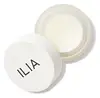
This barrier-repair lip moisturizer is formulated around Butyrospermum Parkii Butter and Sodium Hyaluronate to strengthen the lip barrier and hydrate lips.
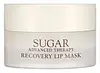
This hydrating lip mask is formulated around Bis-Diglyceryl Polyacyladipate-2 and Butyrospermum Parkii Butter to hydrate lips and strengthen the lip barrier.

What's inside
What's inside
 Key Ingredients
Benefits
Concerns
Ingredients Side-by-side
Caprylic/Capric Triglyceride
Masking


Mango Butter Dimer Dilinoleyl Esters/Dimer Dilinoleate Copolymer
Emollient

Capryloyl Glycerin/Sebacic Acid Copolymer
Skin ConditioningBis-Diglyceryl Polyacyladipate-2
Emollient
Polyglyceryl-10 Decaoleate
Skin Conditioning
Polyglyceryl-10 Pentaoleate
Emulsifying
Polyglyceryl-10 Pentaisostearate
Emollient
C10-18 Triglycerides
Emollient
Butyrospermum Parkii Butter
Skin Conditioning


Cera Alba
Emollient
Glyceryl Stearate Se
Emulsifying
Hydroxystearic Acid
Cleansing
Aroma


Cocos Nucifera Oil
Masking
Lactobacillus/Papaya Fruit Ferment Extract
Abrasive
Silica
Abrasive

Polyhydroxystearic Acid
Emulsifying
Ricinus Communis Seed Oil
Masking
Carica Papaya Seed Oil
Humectant
Sodium Hyaluronate
Humectant


Tocopherol
Antioxidant



Hydrogenated Castor Oil
Emollient
Stevia Rebaudiana Leaf/Stem Extract
MaskingGardenia Taitensis Flower Extract
Skin ConditioningSalicornia Herbacea Extract
Skin ConditioningUndaria Pinnatifida Extract
Skin ConditioningGeraniol
Perfuming

Limonene
Perfuming
Linalool
Perfuming
CI 77891
Cosmetic ColorantCaprylic/Capric Triglyceride, Mango Butter Dimer Dilinoleyl Esters/Dimer Dilinoleate Copolymer, Capryloyl Glycerin/Sebacic Acid Copolymer, Bis-Diglyceryl Polyacyladipate-2, Polyglyceryl-10 Decaoleate, Polyglyceryl-10 Pentaoleate, Polyglyceryl-10 Pentaisostearate, C10-18 Triglycerides, Butyrospermum Parkii Butter, Cera Alba, Glyceryl Stearate Se, Hydroxystearic Acid, Aroma, Cocos Nucifera Oil, Lactobacillus/Papaya Fruit Ferment Extract, Silica, Polyhydroxystearic Acid, Ricinus Communis Seed Oil, Carica Papaya Seed Oil, Sodium Hyaluronate, Tocopherol, Hydrogenated Castor Oil, Stevia Rebaudiana Leaf/Stem Extract, Gardenia Taitensis Flower Extract, Salicornia Herbacea Extract, Undaria Pinnatifida Extract, Geraniol, Limonene, Linalool, CI 77891
Isononyl Isononanoate
EmollientPolybutene
C10-30 Cholesterol/Lanosterol Esters
Emulsifying
Bis-Diglyceryl Polyacyladipate-2
Emollient
Diisostearyl Malate
EmollientPolyethylene
Abrasive
Isostearyl Isostearate
Emollient
Hydrogenated Polyisobutene
EmollientVitis Vinifera Seed Oil
Emollient
Rhus Verniciflua Peel Wax
Ethylene/Propylene/Styrene Copolymer
Vinyl Dimethicone/Methicone Silsesquioxane Crosspolymer

Butyrospermum Parkii Butter
Skin Conditioning
Butyrospermum Parkii Butter Unsaponifiables
Skin Conditioning
Sucrose Tetrastearate Triacetate
Emollient
Ribes Nigrum Seed Oil
Emollient
Tocopherol
Antioxidant
Ascorbyl Palmitate
Antioxidant

Parfum
Masking
Butylene/Ethylene/Styrene Copolymer
Ammonium Glycyrrhizate
MaskingEthylhexyl Palmitate
Emollient
Vanillin
Masking
Pentaerythrityl Tetra-Di-T-Butyl Hydroxyhydrocinnamate
Antioxidant
Trihydroxystearin
Skin Conditioning
Sodium Hyaluronate
Humectant
Limonene
Perfuming
Citral
Perfuming
Benzyl Alcohol
Perfuming

Linalool
Perfuming
Isononyl Isononanoate, Polybutene, C10-30 Cholesterol/Lanosterol Esters, Bis-Diglyceryl Polyacyladipate-2, Diisostearyl Malate, Polyethylene, Isostearyl Isostearate, Hydrogenated Polyisobutene, Vitis Vinifera Seed Oil, Rhus Verniciflua Peel Wax, Ethylene/Propylene/Styrene Copolymer, Vinyl Dimethicone/Methicone Silsesquioxane Crosspolymer, Butyrospermum Parkii Butter, Butyrospermum Parkii Butter Unsaponifiables, Sucrose Tetrastearate Triacetate, Ribes Nigrum Seed Oil, Tocopherol, Ascorbyl Palmitate, Parfum, Butylene/Ethylene/Styrene Copolymer, Ammonium Glycyrrhizate, Ethylhexyl Palmitate, Vanillin, Pentaerythrityl Tetra-Di-T-Butyl Hydroxyhydrocinnamate, Trihydroxystearin, Sodium Hyaluronate, Limonene, Citral, Benzyl Alcohol, Linalool
Reviews
Ingredients Explained
These ingredients are found in both products.
Ingredients higher up in an ingredient list are typically present in a larger amount.
Bis-Diglyceryl Polyacyladipate-2 is a synthetic emollient that works as a lanolin substitute.
This ingredient is a great vegan option for those avoiding animal-derived ingredients.
It mostly stays on the surface of skin where it helps hydrate due to its large molecular size and low water solubility.
Due to it being derived from fatty acids, this ingredient may not be Malassezia or fungal acne safe.
Learn more about Bis-Diglyceryl Polyacyladipate-2This ingredient is also known as shea butter. It is a plant-derived extract from the nuts of the Africa shea tree and one of the most well-studied emollients.
Because it has a high concentration of fatty acids (primarily oleic, stearic, and linoleic) it is able to form a protective barrier on the skin's surface. This helps seal in moisture and prevents transepidermal water loss (TEWL).
In vitro research found an increase in skin hydration by 58% and a decrease in TEWL by 37.8% after 24 hours of applying this ingredient (pretty impressive for a single ingredient!).
Besides hydration, shea butter also contains triterpenes that have anti-inflammatory potential. In particule, lupeol cinnamate has shown the highest anti-inflammatory activity in vivo.
Shea butter also contains vitamins A and E which may contribute to antioxidant activity.
While Shea Butter has an SPF rating of about 3-4, it is not a sunscreen replacement.
This ingredient may not be fungal acne safe because its fatty acids fall within the C11-C24 range that the Malassezia yeast can metabolize.
This ingredient shows up on a lot of "pore-clogging" lists but there's no real evidence behind that. It doesn't even have a comedogenic rating from an actual study; the numbers you'll find online come from blogs citing other blogs.
Ratings for other ingredients mostly come from a 1980s rabbit ear test. This test doesn't translate well to human skin or to real products because the ingredient sits at a much lower percentage.
Some people still find it breaks them out. So if that's you, definitely trust your skin. Just know this one's based on experience and not evidence.
Learn more about Butyrospermum Parkii ButterLimonene is the compound that gives citrus peel its smell.
In skincare, it shows up as a standalone fragrance ingredient or as a natural compound of citrus and other essential oils.
You'll typically see this ingredient used in very small amounts; anything above 0.001% in a leave-on product or 0.01% in a rinse-off has to be named on the label in the EU. The citrus oils that carry it sit around 0.5-1% in a finished formula.
Fresh limonene is a weak allergen; the real issue is that it slowly reacts with air and then breaks down from oxidation to create hydroperoxides (which are strong sensitizers). This is why suppliers are required to keep the peroxide value below 20 mmol.
Positive reactions in people being investigated for eczema vary:
It's worth skipping if you have a known fragrance allergy or a compromised barrier, but the risk is low for most people.
Older or long-opened products are also more likely to bother you than fresh ones due to oxidation.
Learn more about LimoneneLinalool is a small, naturally occurring scent molecule found in plants like lavender, coriander, bergamot, and more.
It is one of the two most-used fragrance ingredients in cosmetics and added purely for smell. Since it's not used for a skin benefit, there's no "effective dose". Concentration depends on the fragrance load of the product.
The EU requires it to be named on the label above 0.001% in leave-on and 0.01% in rinse-off products.
Fresh linalool is a weak sensitizer but air exposure turns some of it into hydroperoxides, which are strong sensitizers. Those oxidation products are the actual allergy concern.
Patch-test clinics see positive reactions to linalool hydroperoxides in about 4% to 12% of dermatitis patients depending on country and test concentration.
Resassuringly, one analytical study found hydroperoxide levels in real fragranced products to be orders of magnitude below what induced sensitization in animal studies with no evidence of oxidation building up during normal storage.
The practical takeaway is that linalool is fine for most people but worth avoiding if you have a confirmed fragrance contact allergy or a badly compromised barrier.
Products stored a long time after opening are also the high-risk scenario since that is when oxidation happens.
The scent of linalool is described as floral, spicy tropical, and citrus-like.
Learn more about LinaloolSodium Hyaluronate is the salt form of hyaluronic acid. It is a long sugar chain that is naturally found in your skin, joints, and connective tissue that maintains hydration and elasticity.
In skincare, it works as a humectant. It pulls water from the environment and deeper layers of skin and binds it to the surface.
Interestingly, the size of the molecule affects its behavior:
Some clinical evidence links low molecular weight versions to improved wrinkle depth, elasticity, anti-inflammatory effects, and barrier repair.
Many serums use a blend of both weights so you can get surface hydration plus longer-lasting and deeper effects.
You'll typically see concentrations between 0.1-2% for this ingredient.
Learn more about Sodium HyaluronateTocopherol is a fat-soluble antioxidant known as Vitamin E.
You'll find this ingredient in the vast majority of skincare (for good reason). It works to neutralize free radicals, or unstable molecules generated by UV exposure, pollution, and other environmental stressors, before they can cause oxidative damage to your skin cells.
Topically applied tocopherol has been shown to protect against UV damage by ramping up the skin's own natural defense enzymes.
It also acts as a skin conditioning agent; some studies show that regular topical use can improve the skin's water-binding capacity over 2-4 weeks.
This ingredient is especially loved for being a team player. When combined with Vitamin C, the photoprotective effect of both ingredients roughly doubles and the combo also helps reduce UV-induced DNA damage.
This ingredient has some brightening potential but it's more of a prevention ingredient than spot-fader. Cell studies show it can slow down melanin production but it's worth noting that it's not the most powerful brightener out there.
In formulations, it also serves as a stabilizer that helps protect other oxidation-prone ingredients from degrading.
Concentrations usually range from 0.1-1% in most leave-on products.
Learn more about Tocopherol

