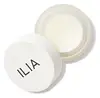
This barrier-repair lip moisturizer is formulated around Butyrospermum Parkii Butter and Sodium Hyaluronate to strengthen the lip barrier and hydrate lips.
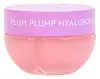
This barrier-repair lip moisturizer is formulated around Sodium Hyaluronate to strengthen the lip barrier and hydrate lips.

What's inside
What's inside
 Key Ingredients
Benefits
Concerns
Ingredients Side-by-side
Caprylic/Capric Triglyceride
Masking


Mango Butter Dimer Dilinoleyl Esters/Dimer Dilinoleate Copolymer
Emollient

Capryloyl Glycerin/Sebacic Acid Copolymer
Skin ConditioningBis-Diglyceryl Polyacyladipate-2
Emollient
Polyglyceryl-10 Decaoleate
Skin Conditioning
Polyglyceryl-10 Pentaoleate
Emulsifying
Polyglyceryl-10 Pentaisostearate
Emollient
C10-18 Triglycerides
Emollient
Butyrospermum Parkii Butter
Skin Conditioning


Cera Alba
Emollient
Glyceryl Stearate Se
Emulsifying
Hydroxystearic Acid
Cleansing
Aroma


Cocos Nucifera Oil
Masking
Lactobacillus/Papaya Fruit Ferment Extract
Abrasive
Silica
Abrasive

Polyhydroxystearic Acid
Emulsifying
Ricinus Communis Seed Oil
Masking
Carica Papaya Seed Oil
Humectant
Sodium Hyaluronate
Humectant


Tocopherol
Antioxidant



Hydrogenated Castor Oil
Emollient
Stevia Rebaudiana Leaf/Stem Extract
MaskingGardenia Taitensis Flower Extract
Skin ConditioningSalicornia Herbacea Extract
Skin ConditioningUndaria Pinnatifida Extract
Skin ConditioningGeraniol
Perfuming

Limonene
Perfuming
Linalool
Perfuming
CI 77891
Cosmetic ColorantCaprylic/Capric Triglyceride, Mango Butter Dimer Dilinoleyl Esters/Dimer Dilinoleate Copolymer, Capryloyl Glycerin/Sebacic Acid Copolymer, Bis-Diglyceryl Polyacyladipate-2, Polyglyceryl-10 Decaoleate, Polyglyceryl-10 Pentaoleate, Polyglyceryl-10 Pentaisostearate, C10-18 Triglycerides, Butyrospermum Parkii Butter, Cera Alba, Glyceryl Stearate Se, Hydroxystearic Acid, Aroma, Cocos Nucifera Oil, Lactobacillus/Papaya Fruit Ferment Extract, Silica, Polyhydroxystearic Acid, Ricinus Communis Seed Oil, Carica Papaya Seed Oil, Sodium Hyaluronate, Tocopherol, Hydrogenated Castor Oil, Stevia Rebaudiana Leaf/Stem Extract, Gardenia Taitensis Flower Extract, Salicornia Herbacea Extract, Undaria Pinnatifida Extract, Geraniol, Limonene, Linalool, CI 77891
Hydrogenated Polyisobutene
EmollientPolybutene
Bis-Behenyl/Isostearyl/Phytosteryl Dimer Dilinoleyl Dimer Dilinoleate
EmollientDiisostearyl Malate
EmollientSynthetic Wax
Abrasive
Ethylene/Propylene/Styrene Copolymer
Sucrose Tetrastearate Triacetate
Emollient
Euphorbia Cerifera Cera
Astringent
Tribehenin
Emollient
Trihydroxystearin
Skin Conditioning
Sodium Hyaluronate
Humectant
Rubus Idaeus Leaf Extract
Skin ConditioningTerminalia Ferdinandiana Fruit Extract
Antioxidant
Prunus Salicina Fruit Extract
Antioxidant
Glycerin
Humectant
Tocopherol
Antioxidant
Gardenia Florida Fruit Extract
Skin ConditioningPentaerythrityl Tetra-Di-T-Butyl Hydroxyhydrocinnamate
Antioxidant
Rebaudioside A
Skin ConditioningCaprylic/Capric Triglyceride
Masking
Polyglyceryl-3 Polyricinoleate
Emulsifying
Polyglyceryl-2 Triisostearate
Emulsifying
Polyglyceryl-2 Diisostearate
Emulsifying
Butylene/Ethylene/Styrene Copolymer
Dehydroacetic Acid
Preservative
Water
Skin ConditioningAroma
Hydrogenated Polyisobutene, Polybutene, Bis-Behenyl/Isostearyl/Phytosteryl Dimer Dilinoleyl Dimer Dilinoleate, Diisostearyl Malate, Synthetic Wax, Ethylene/Propylene/Styrene Copolymer, Sucrose Tetrastearate Triacetate, Euphorbia Cerifera Cera, Tribehenin, Trihydroxystearin, Sodium Hyaluronate, Rubus Idaeus Leaf Extract, Terminalia Ferdinandiana Fruit Extract, Prunus Salicina Fruit Extract, Glycerin, Tocopherol, Gardenia Florida Fruit Extract, Pentaerythrityl Tetra-Di-T-Butyl Hydroxyhydrocinnamate, Rebaudioside A, Caprylic/Capric Triglyceride, Polyglyceryl-3 Polyricinoleate, Polyglyceryl-2 Triisostearate, Polyglyceryl-2 Diisostearate, Butylene/Ethylene/Styrene Copolymer, Dehydroacetic Acid, Water, Aroma
Reviews
Ingredients Explained
These ingredients are found in both products.
Ingredients higher up in an ingredient list are typically present in a larger amount.
Aroma refers to an ingredient, or mixture of ingredients, that impart or mask a flavor.
The name is slightly confusing. This is because INCI associates aroma with flavor instead of smell.
Here is the official definition from the The International Cosmetic Ingredient Dictionary and Handbook:
“Aroma is a term for ingredient labeling used to identify that a product contains a material or combination of materials normally added to a cosmetic to produce or to mask a particular flavor.”
INCI shows the only purpose of aroma to be "flavouring".
However, due to regulation differences, some companies may use aroma in place of parfum.
In Canada, this ingredient only has to be listed in concentrations above 1%.
Learn more about AromaCaprylic/Capric Triglyceride (aka MCT Oil) is a lightweight emollient, solvent, and texture enhancer. It is considered a skin-softener by helping to prevent moisture loss.
Though it behaves like an oil, it is not technically one due to its chemical composition. One perk of this ingredient is that it is very stable, resistant to oxidation, and unlikely to go rancid.
In practice, that translates to a long shelf life and a consistently elegant skin feel.
While there is an assumption Caprylic Triglyceride can clog pores due to it being derived from coconut oil, there is no research supporting this. Just patch test if you have concerns.
Fractionated coconut oil and MCT Oil are both listed as Caprylic/Capric Triglyceride according to INCI. This is because INCI names are based on the ingredient’s final chemical composition and not its marketing name or source.
This ingredient is treated as the gold standard fungal acne safe oil. Even though it is coconut derived, the problematic lauric acid is stripped out.
This leaves just caprylic (C8) and capric (C10) acid. These chain lengths actually trend antifungal; a 2020 study found caprylic acid was enough to disrupt Malassezia furfur cell membrane, with a caprylic acid derivative damaging membrane structures at concentrations as low as 0.2%.
Learn more about Caprylic/Capric TriglycerideSodium Hyaluronate is the salt form of hyaluronic acid. It is a long sugar chain that is naturally found in your skin, joints, and connective tissue that maintains hydration and elasticity.
In skincare, it works as a humectant. It pulls water from the environment and deeper layers of skin and binds it to the surface.
Interestingly, the size of the molecule affects its behavior:
Some clinical evidence links low molecular weight versions to improved wrinkle depth, elasticity, anti-inflammatory effects, and barrier repair.
Many serums use a blend of both weights so you can get surface hydration plus longer-lasting and deeper effects.
You'll typically see concentrations between 0.1-2% for this ingredient.
Learn more about Sodium HyaluronateTocopherol is a fat-soluble antioxidant known as Vitamin E.
You'll find this ingredient in the vast majority of skincare (for good reason). It works to neutralize free radicals, or unstable molecules generated by UV exposure, pollution, and other environmental stressors, before they can cause oxidative damage to your skin cells.
Topically applied tocopherol has been shown to protect against UV damage by ramping up the skin's own natural defense enzymes.
It also acts as a skin conditioning agent; some studies show that regular topical use can improve the skin's water-binding capacity over 2-4 weeks.
This ingredient is especially loved for being a team player. When combined with Vitamin C, the photoprotective effect of both ingredients roughly doubles and the combo also helps reduce UV-induced DNA damage.
This ingredient has some brightening potential but it's more of a prevention ingredient than spot-fader. Cell studies show it can slow down melanin production but it's worth noting that it's not the most powerful brightener out there.
In formulations, it also serves as a stabilizer that helps protect other oxidation-prone ingredients from degrading.
Concentrations usually range from 0.1-1% in most leave-on products.
Learn more about Tocopherol

