House Of Makeup Face Anything Luminous Skin Tint For Glass Skin SPF 25+ Versus Rimmel London Kind + Free Moisturising Skin Tint


What's inside
What's inside
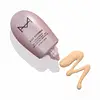 Key Ingredients
Benefits
Concerns
Ingredients Side-by-side
Water
Skin ConditioningCyclopentasiloxane
Emollient
Dimethicone
Emollient
Hydrogenated Polyisobutene
EmollientButylene Glycol
Humectant

Caprylic/Capric Triglyceride
Masking
Ethylhexyl Methoxycinnamate
UV Absorber


Octocrylene
UV Absorber
Octyldodecanol
Emollient
Cetyl PEG/PPG-10/1 Dimethicone
Emulsifying
Propylene Carbonate
SolventPhenoxyethanol
Preservative
Hectorite
AbsorbentClay
Absorbent
Synthetic Beeswax
Emulsion Stabilising

Stearic Acid
Cleansing
Sodium Chloride
MaskingCetearyl Alcohol
Emollient
Glyceryl Stearate Se
Emulsifying
Niacinamide
Smoothing








BHT
Antioxidant
Sodium Hyaluronate
Humectant
Disodium EDTA
ChelatingLycium Barbarum Fruit Extract
Astringent
Aluminum Hydroxide
EmollientTriethoxycaprylylsilane
CI 77891
Cosmetic ColorantCI 77492
Cosmetic ColorantCI 77491
Cosmetic ColorantCI 77499
Cosmetic ColorantMica
Cosmetic ColorantWater, Cyclopentasiloxane, Dimethicone, Hydrogenated Polyisobutene, Butylene Glycol, Caprylic/Capric Triglyceride, Ethylhexyl Methoxycinnamate, Octocrylene, Octyldodecanol, Cetyl PEG/PPG-10/1 Dimethicone, Propylene Carbonate, Phenoxyethanol, Hectorite, Clay, Synthetic Beeswax, Stearic Acid, Sodium Chloride, Cetearyl Alcohol, Glyceryl Stearate Se, Niacinamide, BHT, Sodium Hyaluronate, Disodium EDTA, Lycium Barbarum Fruit Extract, Aluminum Hydroxide, Triethoxycaprylylsilane, CI 77891, CI 77492, CI 77491, CI 77499, Mica
Water
Skin ConditioningDicaprylyl Carbonate
EmollientDicaprylyl Ether
Emollient
Glycerin
Humectant
Trimethylsiloxysilicate
Emollient
Aluminum Starch Octenylsuccinate
Absorbent
Ethylhexyl Methoxycinnamate
UV Absorber
Sodium Chloride
MaskingZinc Oxide
Cosmetic Colorant
Tri (Polyglyceryl-3/Lauryl) Hydrogenated Trilinoleate
EmulsifyingStearalkonium Bentonite
Gel FormingSilica
Abrasive
Cetyl PEG/PPG-10/1 Dimethicone
Emulsifying
Mica
Cosmetic ColorantPropylene Carbonate
SolventTocopherol
Antioxidant
Panthenol
Skin Conditioning
Sodium Benzoate
Masking
Triethoxycaprylylsilane
Chlorphenesin
Antimicrobial
Aloe Barbadensis Leaf Juice
Skin Conditioning
Methicone
Emollient
Pantolactone
Humectant
BHT
Antioxidant
Pentaerythrityl Tetra-Di-T-Butyl Hydroxyhydrocinnamate
Antioxidant
CI 77891
Cosmetic ColorantCI 77491
Cosmetic ColorantCI 77492
Cosmetic ColorantCI 77499
Cosmetic ColorantWater, Dicaprylyl Carbonate, Dicaprylyl Ether, Glycerin, Trimethylsiloxysilicate, Aluminum Starch Octenylsuccinate, Ethylhexyl Methoxycinnamate, Sodium Chloride, Zinc Oxide, Tri (Polyglyceryl-3/Lauryl) Hydrogenated Trilinoleate, Stearalkonium Bentonite, Silica, Cetyl PEG/PPG-10/1 Dimethicone, Mica, Propylene Carbonate, Tocopherol, Panthenol, Sodium Benzoate, Triethoxycaprylylsilane, Chlorphenesin, Aloe Barbadensis Leaf Juice, Methicone, Pantolactone, BHT, Pentaerythrityl Tetra-Di-T-Butyl Hydroxyhydrocinnamate, CI 77891, CI 77491, CI 77492, CI 77499
Reviews
Ingredients Explained
These ingredients are found in both products.
Ingredients higher up in an ingredient list are typically present in a larger amount.
BHT is a synthetic antioxidant and preservative.
As an antioxidant, it helps your body fight off free-radicals. Free-radicals are molecules that may damage your skin cells.
As a preservative, it is used to stabilize products and prevent them from degrading. Specifically, BHT prevents degradation from oxidation.
The concerns related to BHT come from oral studies; this ingredient is currently allowed for use by both the FDA and EU.
However, it was recently restricted for use in the UK as of April 2024.
Learn more about BHTThis ingredient is a silicone-based emulsifer that helps the water and oil phases play nicely together.
It's pretty effective because one end of the molecule loves oil and the other one loves water.
Besides holding formulas together, it also leaves a silky and lightweight feel on skin without the greasiness. A manufacturer also claims it can help with the controlled release of active ingredients.
The CIR Expert Panel found this ingredient to not be sensitizing in concentrations up to 15% in human maximazation testing and dimethicone-based compounds were not comedogenic.
It has a high molecular weight well above 1,000 g/mol which means it limits meaningful skin penetration.
A 2019 study specifically tested this ingredient and found no observable Malassezia growth in its presence.
Learn more about Cetyl PEG/PPG-10/1 DimethiconeCi 77491 is also hydrated iron III oxide. It's sole purpose is to give a red/pink hue to products.
Iron III oxides are classified as inorganic chemicals for coloring.
Synthetically created Ci 77491 is considered safer than those naturally found. This is because the synthetically created version may contain less impurities. Iron oxides are generally non-toxic and non-allergenic.
Learn more about CI 77491CI 77492 is also hydrated iron III oxide. It's sole purpose is to give a yellow hue to products.
Iron III oxides are classified as inorganic chemicals for coloring.
Synthetically created CI 77492 is considered safer than those naturally found. This is because the synthetically created version may contain less impurities. Iron oxides are generally non-toxic and non-allergenic.
Learn more about CI 77492Ci 77499 is also hydrated iron III oxide. It is created from mixing red and black iron oxides. This helps give shades of darkness to a product.
Iron III oxides are classified as inorganic chemicals for coloring.
Ci 77891 is a white pigment from Titanium dioxide. It is naturally found in minerals such as rutile and ilmenite.
It's main function is to add a white color to cosmetics. It can also be mixed with other colors to create different shades.
Ci 77891 is commonly found in sunscreens due to its ability to block UV rays.
Learn more about CI 77891This ingredient is also known as Octinoxate and is one of the oldest and most widely used chemical UV filters in skincare.
It has a simple job: soap up UVB radiation (290-320 nm), the wavelengths responsible for sunburn and a big chunk of long-term sun damage.
In formulas, it's always paired with a separate UVA filter because octinoxate solely protects skin from UVB.
Because it's an oil-soluble liquid, it's easy to blend into the oil phase of lotions/creams and gives a cosmetically elegant feel.
The one quirk about formulating this ingredient is photostability; the molecule slowly changes shape into a less effective version when sunlight hits it. So the longer you're in the sun, the weaker its protection gets. The drop can be more than 30% in some formulas.
It also doesn't play nice with Avobenzone (the common UVA filter) since avobenzone destabilizes octinoxate and the two degrade each other. But don't worry: brands have solved this issue by adding photostabilizers like Tinosorb S to prevent degradation and keep SPF stable under heavy UV exposure.
The maximum allowed level is 10% in the EU and Australia, 7.5% in the US and Canada, and 20% in Japan.
The Cosmetic Ingredient Review Panel has concluded this ingredient to be safe in cosmetics up to 10%.
One last thing worth knowing for context:
Octinoxate has been the subject of ongoing review in Europe where the Scientific Committee on Consumer Safety's (SCCS) 2025 final opinion is that this ingredient is an endocrine-active substance.
Lab and animal studies suggest it can act a bit like a hormone in the body (mildly mimicking estrogen and slightly blocking male hormones). It's important to know this hasn't really been shown to happen in everyday human use.
This ingredient is also banned in Hawaii over coral reef concerns.
Learn more about Ethylhexyl MethoxycinnamateMica is a naturally occurring mineral used to add shimmer and color in cosmetics. It can also help improve the texture of a product or give it an opaque, white/silver color.
Serecite is the name for very fine but ragged grains of mica.
This ingredient is often coated with metal oxides like titanium dioxide. Trace amounts of heavy metals may be found in mica, but these metals are not harmful in our personal products.
Mica has been used since prehistoric times throughout the world. Ancient Egyptian, Indian, Greek, Roman, Aztec, and Chinese civilizations have used mica.
Learn more about MicaThis ingredient is a solvent. It helps dissolve active ingredients and alter the texture of products.
Propylene Carbonate is commonly used in makeup and with clay, such as montmorillonite or bentonite.
Studies show this ingredient to be safe for cosmetics. When it is undiluted, it can cause skin irritation. (It is always diluted in skincare and makeup). This ingredient is water-soluble.
Propylene Carbonate is created from propylene glycol and carbonic acid.
Learn more about Propylene CarbonateChances are, you eat sodium chloride every day. Sodium Chloride is also known as table salt. This ingredient has many purposes in skincare: thickener, emulsifier, and exfoliator.
You'll most likely find this ingredient in cleansers where it is used to create a gel-like texture. As an emulsifier, it also prevents ingredients from separating.
You might see people debate whether Sodium Chloride is comedogenic, but there actually haven't been any comedogenic tests done on it. Either way, the overall formulation of a product matters a lot more than any single ingredient.
You might see this ingredient used in scrubs as a primary exfoliating ingredient.
Learn more about Sodium ChlorideTriethoxycaprylylsilane is a silicon-based surface modifier that makes sunscreens feel silky and makeup stay put.
Its main job is to coat mineral particles like titanium dioxide, zinc oxide, and color pigments in a thin, oily layer so they spread smoothly, don't clump, and stick to skin better.
This ingredient is typically used at low levels (up to 2.5% in eyeshadow and 1% in lipstick).
Learn more about TriethoxycaprylylsilaneWater. It's the most common cosmetic ingredient of all. You'll usually see it at the top of ingredient lists, meaning that it makes up the largest part of the product.
So why is it so popular? Water most often acts as a solvent - this means that it helps dissolve other ingredients into the formulation.
You'll also recognize water as that liquid we all need to stay alive. If you see this, drink a glass of water. Remember to stay hydrated!
Learn more about Water

