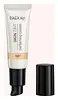
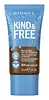
ISADORA Skin Tint Perfecting Cream Foundation Versus Rimmel London Kind + Free Moisturising Skin Tint


What's inside
What's inside
 Key Ingredients
Benefits
Concerns
Ingredients Side-by-side
Dimethicone
Emollient

Water
Skin ConditioningDimethicone Crosspolymer
Emulsion Stabilising
Butylene Glycol
Humectant

Polyglyceryl-4 Isostearate
Emulsifying

PEG/PPG-18/18 Dimethicone
Emulsifying
Sodium Chloride
MaskingCaprylyl Glycol
Emollient
Phenoxyethanol
Preservative
Potassium Sorbate
Preservative
Sodium Dehydroacetate
Preservative
Aluminum Hydroxide
EmollientTriethoxycaprylylsilane
Tocopheryl Acetate
Antioxidant


Hexylene Glycol
EmulsifyingCI 77891
Cosmetic ColorantCI 77491
Cosmetic ColorantCI 77492
Cosmetic ColorantCI 77499
Cosmetic ColorantDimethicone, Water, Dimethicone Crosspolymer, Butylene Glycol, Polyglyceryl-4 Isostearate, PEG/PPG-18/18 Dimethicone, Sodium Chloride, Caprylyl Glycol, Phenoxyethanol, Potassium Sorbate, Sodium Dehydroacetate, Aluminum Hydroxide, Triethoxycaprylylsilane, Tocopheryl Acetate, Hexylene Glycol, CI 77891, CI 77491, CI 77492, CI 77499
Water
Skin ConditioningDicaprylyl Carbonate
EmollientDicaprylyl Ether
Emollient
Glycerin
Humectant
Trimethylsiloxysilicate
Emollient
Aluminum Starch Octenylsuccinate
Absorbent
Ethylhexyl Methoxycinnamate
UV Absorber


Sodium Chloride
MaskingZinc Oxide
Cosmetic Colorant
Tri (Polyglyceryl-3/Lauryl) Hydrogenated Trilinoleate
EmulsifyingStearalkonium Bentonite
Gel FormingSilica
Abrasive

Cetyl PEG/PPG-10/1 Dimethicone
Emulsifying
Mica
Cosmetic ColorantPropylene Carbonate
SolventTocopherol
Antioxidant


Panthenol
Skin Conditioning
Sodium Benzoate
Masking
Triethoxycaprylylsilane
Chlorphenesin
Antimicrobial
Aloe Barbadensis Leaf Juice
Skin Conditioning
Methicone
Emollient
Pantolactone
Humectant
BHT
Antioxidant
Pentaerythrityl Tetra-Di-T-Butyl Hydroxyhydrocinnamate
Antioxidant
CI 77891
Cosmetic ColorantCI 77491
Cosmetic ColorantCI 77492
Cosmetic ColorantCI 77499
Cosmetic ColorantWater, Dicaprylyl Carbonate, Dicaprylyl Ether, Glycerin, Trimethylsiloxysilicate, Aluminum Starch Octenylsuccinate, Ethylhexyl Methoxycinnamate, Sodium Chloride, Zinc Oxide, Tri (Polyglyceryl-3/Lauryl) Hydrogenated Trilinoleate, Stearalkonium Bentonite, Silica, Cetyl PEG/PPG-10/1 Dimethicone, Mica, Propylene Carbonate, Tocopherol, Panthenol, Sodium Benzoate, Triethoxycaprylylsilane, Chlorphenesin, Aloe Barbadensis Leaf Juice, Methicone, Pantolactone, BHT, Pentaerythrityl Tetra-Di-T-Butyl Hydroxyhydrocinnamate, CI 77891, CI 77491, CI 77492, CI 77499
Reviews
Ingredients Explained
These ingredients are found in both products.
Ingredients higher up in an ingredient list are typically present in a larger amount.
Ci 77491 is also hydrated iron III oxide. It's sole purpose is to give a red/pink hue to products.
Iron III oxides are classified as inorganic chemicals for coloring.
Synthetically created Ci 77491 is considered safer than those naturally found. This is because the synthetically created version may contain less impurities. Iron oxides are generally non-toxic and non-allergenic.
Learn more about CI 77491CI 77492 is also hydrated iron III oxide. It's sole purpose is to give a yellow hue to products.
Iron III oxides are classified as inorganic chemicals for coloring.
Synthetically created CI 77492 is considered safer than those naturally found. This is because the synthetically created version may contain less impurities. Iron oxides are generally non-toxic and non-allergenic.
Learn more about CI 77492Ci 77499 is also hydrated iron III oxide. It is created from mixing red and black iron oxides. This helps give shades of darkness to a product.
Iron III oxides are classified as inorganic chemicals for coloring.
Ci 77891 is a white pigment from Titanium dioxide. It is naturally found in minerals such as rutile and ilmenite.
It's main function is to add a white color to cosmetics. It can also be mixed with other colors to create different shades.
Ci 77891 is commonly found in sunscreens due to its ability to block UV rays.
Learn more about CI 77891Chances are, you eat sodium chloride every day. Sodium Chloride is also known as table salt. This ingredient has many purposes in skincare: thickener, emulsifier, and exfoliator.
You'll most likely find this ingredient in cleansers where it is used to create a gel-like texture. As an emulsifier, it also prevents ingredients from separating.
You might see people debate whether Sodium Chloride is comedogenic, but there actually haven't been any comedogenic tests done on it. Either way, the overall formulation of a product matters a lot more than any single ingredient.
You might see this ingredient used in scrubs as a primary exfoliating ingredient.
Learn more about Sodium ChlorideTriethoxycaprylylsilane is a silicon-based surface modifier that makes sunscreens feel silky and makeup stay put.
Its main job is to coat mineral particles like titanium dioxide, zinc oxide, and color pigments in a thin, oily layer so they spread smoothly, don't clump, and stick to skin better.
This ingredient is typically used at low levels (up to 2.5% in eyeshadow and 1% in lipstick).
Learn more about TriethoxycaprylylsilaneWater. It's the most common cosmetic ingredient of all. You'll usually see it at the top of ingredient lists, meaning that it makes up the largest part of the product.
So why is it so popular? Water most often acts as a solvent - this means that it helps dissolve other ingredients into the formulation.
You'll also recognize water as that liquid we all need to stay alive. If you see this, drink a glass of water. Remember to stay hydrated!
Learn more about Water

