

What's inside
What's inside
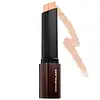 Key Ingredients
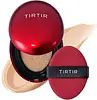
Benefits
Concerns
Ingredients Side-by-side
Phenyl Trimethicone
Skin Conditioning
C12-15 Alkyl Ethylhexanoate
EmollientCaprylic/Capric Triglyceride
Masking
Ethylhexyl Methoxycinnamate
UV Absorber


Euphorbia Cerifera Wax

Ceresin
Emulsion StabilisingPolyethylene
Abrasive
Pentylene Glycol
Skin ConditioningMicrocrystalline Wax
Emulsion Stabilising
Polyglyceryl-2 Triisostearate
Emulsifying
Vp/Hexadecene Copolymer
Methyl Methacrylate Crosspolymer
1,2-Hexanediol
Skin Conditioning
Aluminum Hydroxide
EmollientBHT
Antioxidant
Caprylyl Glycol
Emollient
Dimethicone
Emollient
Ethylhexylglycerin
Skin ConditioningIllicium Verum Fruit Extract
Perfuming
Isostearyl Alcohol
Emollient
Lauryl Laurate
Skin Conditioning
Lauryl PEG/PPG-18/18 Methicone
Skin Conditioning
Macadamia Seed Oil Polyglyceryl-6 Esters Behenate
Emollient
Methicone
Emollient
Mica
Cosmetic Colorant
Phenoxyethanol
Preservative
Propanediol
Solvent
Silica
Abrasive
Talc
Abrasive
Triethoxycaprylylsilane
Iron Oxides
CI 77891
Cosmetic ColorantPhenyl Trimethicone, C12-15 Alkyl Ethylhexanoate, Caprylic/Capric Triglyceride, Ethylhexyl Methoxycinnamate, Euphorbia Cerifera Wax, Ceresin, Polyethylene, Pentylene Glycol, Microcrystalline Wax, Polyglyceryl-2 Triisostearate, Vp/Hexadecene Copolymer, Methyl Methacrylate Crosspolymer, 1,2-Hexanediol, Aluminum Hydroxide, BHT, Caprylyl Glycol, Dimethicone, Ethylhexylglycerin, Illicium Verum Fruit Extract, Isostearyl Alcohol, Lauryl Laurate, Lauryl PEG/PPG-18/18 Methicone, Macadamia Seed Oil Polyglyceryl-6 Esters Behenate, Methicone, Mica, Phenoxyethanol, Propanediol, Silica, Talc, Triethoxycaprylylsilane, Iron Oxides, CI 77891
Water
Skin ConditioningCyclopentasiloxane
Emollient
CI 77891
Cosmetic ColorantTrimethylsiloxysilicate
Emollient
Propanediol
Solvent
CI 77492
Cosmetic ColorantIsododecane
EmollientDiphenylsiloxy Phenyl Trimethicone
Skin Conditioning
Methyl Trimethicone
Skin Conditioning
Niacinamide
Smoothing










PEG-10 Dimethicone
Skin Conditioning
Dimethicone
Emollient
Octyldodecanol
Emollient
Polyglyceryl-3 Polydimethylsiloxyethyl Dimethicone
Skin Conditioning
PEG/PPG-18/18 Dimethicone
Emulsifying
1,2-Hexanediol
Skin Conditioning
Haematococcus Pluvialis Oil
Antioxidant
Hibiscus Sabdariffa Flower Extract
Skin ConditioningRosa Rugosa Flower Extract
Skin ConditioningPancratium Maritimum Extract
BleachingNymphaea Alba Flower Extract
Skin ConditioningPropolis Extract
Skin Conditioning
Magnesium Sulfate
Disteardimonium Hectorite
StabilisingAluminum Hydroxide
EmollientStearic Acid
Cleansing
Polyhydroxystearic Acid
Emulsifying
Triethoxycaprylylsilane
Alumina
Abrasive
Polyglyceryl-4 Isostearate
Emulsifying
Isopropyl Titanium Triisostearate
Emollient
Neopentyl Glycol Diethylhexanoate
Emollient
Adenosine
Skin Conditioning
Trisodium Ethylenediamine Disuccinate
Polymethyl Methacrylate
Butylene Glycol
Humectant
Glycerin
Humectant
Dipropylene Glycol
HumectantSodium Palmitoyl Proline
Skin ConditioningCetearyl Dimethicone/Vinyl Dimethicone Crosspolymer
Emollient
Astaxanthin
Skin Conditioning
Potassium Sorbate
Preservative
Parfum
Masking
CI 77491
Cosmetic ColorantCI 77499
Cosmetic ColorantWater, Cyclopentasiloxane, CI 77891, Trimethylsiloxysilicate, Propanediol, CI 77492, Isododecane, Diphenylsiloxy Phenyl Trimethicone, Methyl Trimethicone, Niacinamide, PEG-10 Dimethicone, Dimethicone, Octyldodecanol, Polyglyceryl-3 Polydimethylsiloxyethyl Dimethicone, PEG/PPG-18/18 Dimethicone, 1,2-Hexanediol, Haematococcus Pluvialis Oil, Hibiscus Sabdariffa Flower Extract, Rosa Rugosa Flower Extract, Pancratium Maritimum Extract, Nymphaea Alba Flower Extract, Propolis Extract, Magnesium Sulfate, Disteardimonium Hectorite, Aluminum Hydroxide, Stearic Acid, Polyhydroxystearic Acid, Triethoxycaprylylsilane, Alumina, Polyglyceryl-4 Isostearate, Isopropyl Titanium Triisostearate, Neopentyl Glycol Diethylhexanoate, Adenosine, Trisodium Ethylenediamine Disuccinate, Polymethyl Methacrylate, Butylene Glycol, Glycerin, Dipropylene Glycol, Sodium Palmitoyl Proline, Cetearyl Dimethicone/Vinyl Dimethicone Crosspolymer, Astaxanthin, Potassium Sorbate, Parfum, CI 77491, CI 77499
Reviews
Ingredients Explained
These ingredients are found in both products.
Ingredients higher up in an ingredient list are typically present in a larger amount.
1,2-Hexanediol is a synthetic liquid and another multi-functional powerhouse.
It is a:
- Humectant, drawing moisture into the skin
- Emollient, helping to soften skin
- Solvent, dispersing and stabilizing formulas
- Preservative booster, enhancing the antimicrobial activity of other preservatives
Aluminum Hydroxide is a form of aluminum. It can be naturally found in nature as the mineral gibbsite. In cosmetics, Aluminum Hydroxide is used as a colorant, pH adjuster, and absorbent.
As a colorant, Aluminum Hydroxide may add opacity, or reduce the transparency. Aluminum hydroxide is contains both basic and acidic properties.
According to manufacturers, this ingredient is an emollient and humectant. This means it helps hydrate the skin.
In medicine, this ingredient is used to help relieve heartburn and help heal ulcers.
There is currently no credible scientific evidence linking aluminum hydroxide in cosmetics to increased cancer risk.
Major health organizations allow the use of aluminum hydroxide in personal care products and have not flagged it as a carcinogenic risk at typical usage levels.
Learn more about Aluminum HydroxideCi 77891 is a white pigment from Titanium dioxide. It is naturally found in minerals such as rutile and ilmenite.
It's main function is to add a white color to cosmetics. It can also be mixed with other colors to create different shades.
Ci 77891 is commonly found in sunscreens due to its ability to block UV rays.
Learn more about CI 77891Dimethicone is a type of synthetic silicone created from natural materials such as quartz.
What it does:
Dimethicone comes in different viscosities:
Depending on the viscosity, dimethicone has different properties.
Ingredients lists don't always show which type is used, so we recommend reaching out to the brand if you have questions about the viscosity.
This ingredient is unlikely to cause irritation because it does not get absorbed into skin. However, people with silicone allergies should be careful about using this ingredient.
Note: Dimethicone may contribute to pilling. This is because it is not oil or water soluble, so pilling may occur when layered with products. When mixed with heavy oils in a formula, the outcome is also quite greasy.
Learn more about DimethiconePropanediol is an all-star ingredient. It softens, hydrates, and smooths the skin.
It’s often used to:
Propanediol is not likely to cause sensitivity and considered safe to use. It is derived from corn or petroleum with a clear color and no scent.
Learn more about PropanediolTriethoxycaprylylsilane is a silicone used to bind and stabilize ingredients.
As an emulsifier, it helps prevent ingredients from separating. This can help elongate the shelf life of products.
Triethoxycaprylylsilane is often used to coat mineral sunscreens ingredients to help give a better feel. It also helps reduce oxidative stress in sunscreens.
Learn more about Triethoxycaprylylsilane
