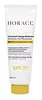
This oil-control day moisturizer is formulated around Aloe Barbadensis Leaf Juice and Salicylic Acid to balance excess oil and hydrate skin.
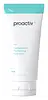
This acne moisturizer is formulated around Salicylic Acid and Glycyrrhiza Glabra Root Extract to clear breakouts and fade the look of dark spots.


What's inside
What's inside
 Key Ingredients
Benefits
Concerns
Ingredients Side-by-side
Aloe Barbadensis Leaf Juice
Skin Conditioning


Water
Skin ConditioningZinc Oxide
Cosmetic Colorant


Caprylic/Capric Triglyceride
Masking

Pongamia Glabra Seed Oil
Skin Conditioning


Glycerin
Humectant
Polyglyceryl-10 Myristate
Skin Conditioning
Polyglyceryl-10 Stearate
Skin Conditioning
Mica
Cosmetic Colorant2,3-Butanediol
HumectantGlyceryl Isostearate
Emollient
Maltodextrin
Absorbent
Silica
Abrasive

Salicylic Acid
Masking







Helianthus Annuus Seed Oil
Emollient
Tocopherol
Antioxidant



Caesalpinia Spinosa Fruit Pod Extract
Helianthus Annuus Sprout Extract
Skin ConditioningBenzyl Alcohol
Perfuming



Polyhydroxystearic Acid
Emulsifying
Xanthan Gum
EmulsifyingCitric Acid
Buffering
Sodium Hydroxide
BufferingSorbic Acid
Preservative
Aloe Barbadensis Leaf Juice, Water, Zinc Oxide, Caprylic/Capric Triglyceride, Pongamia Glabra Seed Oil, Glycerin, Polyglyceryl-10 Myristate, Polyglyceryl-10 Stearate, Mica, 2,3-Butanediol, Glyceryl Isostearate, Maltodextrin, Silica, Salicylic Acid, Helianthus Annuus Seed Oil, Tocopherol, Caesalpinia Spinosa Fruit Pod Extract, Helianthus Annuus Sprout Extract, Benzyl Alcohol, Polyhydroxystearic Acid, Xanthan Gum, Citric Acid, Sodium Hydroxide, Sorbic Acid
Salicylic Acid 0.5%
Masking
Water
Skin ConditioningButylene Glycol
Humectant
Cetearyl Alcohol
Emollient


Dimethicone
Emollient
Sodium Polyacrylate
Absorbent
Scutellaria Baicalensis Root Extract
Astringent
Sophora Angustifolia Root Extract
Skin ConditioningMorus Alba Root Extract
BleachingGlycyrrhiza Glabra Root Extract
Bleaching
Arctostaphylos Uva Ursi Leaf Extract
Skin Conditioning
Kojic Acid
Antioxidant
Zinc Gluconate
Skin Conditioning
Alpha-Glucan Oligosaccharide
Cleansing
Sodium Hyaluronate
Humectant
Bisabolol
Antioxidant
Allantoin
Skin Conditioning
Squalane
Emollient
Safflower Oil/Palm Oil Aminopropanediol Esters
Skin Conditioning
C12-15 Alkyl Lactate
EmollientCaprylic/Capric Triglyceride
Masking
Caprylyl Glycol
Emollient
Ethylhexylglycerin
Skin ConditioningGlycerin
Humectant
Ethylhexyl Palmitate
Emollient
Hydrogenated Polydecene
EmollientHydroxypropyl Cyclodextrin
MaskingPPG-5-Laureth-5
EmollientPolyquaternium-11
Ceteareth-20
Cleansing
Aluminum Starch Octenylsuccinate
Absorbent
Polysorbate 60
Emulsifying
Hexylene Glycol
EmulsifyingPPG-2 Myristyl Ether Propionate
Emollient
Sodium Hydroxide
BufferingDisodium EDTA
ChelatingPhenoxyethanol
Preservative
Parfum
Masking
Salicylic Acid 0.5%, Water, Butylene Glycol, Cetearyl Alcohol, Dimethicone, Sodium Polyacrylate, Scutellaria Baicalensis Root Extract, Sophora Angustifolia Root Extract, Morus Alba Root Extract, Glycyrrhiza Glabra Root Extract, Arctostaphylos Uva Ursi Leaf Extract, Kojic Acid, Zinc Gluconate, Alpha-Glucan Oligosaccharide, Sodium Hyaluronate, Bisabolol, Allantoin, Squalane, Safflower Oil/Palm Oil Aminopropanediol Esters, C12-15 Alkyl Lactate, Caprylic/Capric Triglyceride, Caprylyl Glycol, Ethylhexylglycerin, Glycerin, Ethylhexyl Palmitate, Hydrogenated Polydecene, Hydroxypropyl Cyclodextrin, PPG-5-Laureth-5, Polyquaternium-11, Ceteareth-20, Aluminum Starch Octenylsuccinate, Polysorbate 60, Hexylene Glycol, PPG-2 Myristyl Ether Propionate, Sodium Hydroxide, Disodium EDTA, Phenoxyethanol, Parfum
Reviews
Ingredients Explained
These ingredients are found in both products.
Ingredients higher up in an ingredient list are typically present in a larger amount.
Caprylic/Capric Triglyceride (aka MCT Oil) is a lightweight emollient, solvent, and texture enhancer. It is considered a skin-softener by helping to prevent moisture loss.
Though it behaves like an oil, it is not technically one due to its chemical composition. One perk of this ingredient is that it is very stable, resistant to oxidation, and unlikely to go rancid.
In practice, that translates to a long shelf life and a consistently elegant skin feel.
While there is an assumption Caprylic Triglyceride can clog pores due to it being derived from coconut oil, there is no research supporting this. Just patch test if you have concerns.
Fractionated coconut oil and MCT Oil are both listed as Caprylic/Capric Triglyceride according to INCI. This is because INCI names are based on the ingredient’s final chemical composition and not its marketing name or source.
This ingredient is treated as the gold standard fungal acne safe oil. Even though it is coconut derived, the problematic lauric acid is stripped out.
This leaves just caprylic (C8) and capric (C10) acid. These chain lengths actually trend antifungal; a 2020 study found caprylic acid was enough to disrupt Malassezia furfur cell membrane, with a caprylic acid derivative damaging membrane structures at concentrations as low as 0.2%.
Learn more about Caprylic/Capric TriglycerideGlycerin (or glycerol) is a compound naturally found in your skin. It's a powerhouse humectant that pulls water into the stratum corneum.
Topically, glycerin does several things at once:
Your skin makes glycerin on its own (mostly from sebaceous oil breakdown) and shuttles it to your outermost layer of skin, or your epidermis, via aquaporin-3.
Aquaporin-3 is a transporter that is essential for normal skin hydration, elasticity, and repair. Interestingly, mice lacking in AQP3 have dry and less elastic skin that can be fully corrected with glycerin.
This ingredient is non-irritating, plays well with almost every ingredient, and works across all skin types. Typical use is anywhere between 3-10% but can go up to 79% in some leave-on products.
Just know very high concentrations (>40%) can feel tacky in low humidity.
Glycerin is the name for this ingredient in American English. British English uses Glycerol/Glycerine.
Learn more about GlycerinSalicylic Acid (also known as beta hydroxy acid or BHA) is a well-known ingredient for treating skin that struggles with acne and clogged pores. It exfoliates both the skin's surface and deep within the pores to help clear out buildup, control oil, and reduce inflammation.
Unlike AHAs (alpha hydroxy acids), salicylic acid is oil-soluble. This allows it to penetrate into pores which makes it especially effective for treating blackheads and preventing future breakouts.
Salicylic acid is also known for its soothing properties. It has a similar structure to aspirin and can calm inflamed or irritated skin, making it a good option for acne-prone skin that is also sensitive.
Concentrations of 0.5-2% are recognized by the U.S. FDA as an over-the-counter topical acne product.
It can cause irritation and/or dryness if one's skin already has a compromised moisture barrier, so it's best to focus on repairing that before introducing this ingredient into your routine.
While salicylic acid does not increase sun sensitivity, it’s still important to wear sunscreen daily to protect your skin.
If you are looking for the ingredient called BHA or Butylated Hydroxyanisole, click here.
Learn more about Salicylic AcidSodium Hydroxide is also known as lye or caustic soda. It is used to adjust the pH of products; many ingredients require a specific pH to be effective.
In small amounts, sodium hydroxide is considered safe to use. However, large amounts may cause chemical burns due to its high alkaline.
Your skin has a natural pH and acid mantle. This acid mantle helps prevent harmful bacteria from breaking through. The acid mantle also helps keep your skin hydrated.
"Alkaline" refers to a high pH level. A low pH level would be considered acidic.
Learn more about Sodium HydroxideWater. It's the most common cosmetic ingredient of all. You'll usually see it at the top of ingredient lists, meaning that it makes up the largest part of the product.
So why is it so popular? Water most often acts as a solvent - this means that it helps dissolve other ingredients into the formulation.
You'll also recognize water as that liquid we all need to stay alive. If you see this, drink a glass of water. Remember to stay hydrated!
Learn more about Water

