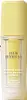
This pore-care serum is formulated around Niacinamide and Salix Alba Bark Extract to refine the look of pores and fade the look of dark spots.
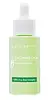
This calming serum is formulated around Niacinamide and Centella Asiatica Extract to calm redness and strengthen the skin barrier.

What's inside
What's inside
 Key Ingredients
Benefits
Concerns
No concerns
Ingredients Side-by-side
Water
Skin ConditioningNiacinamide
Smoothing











Betaine
Humectant
Glycerin
Humectant
Butylene Glycol
Humectant
Salix Alba Bark Extract
Astringent
Citrus Sinensis Fruit Water
MaskingOryza Sativa Extract
Absorbent
Capparis Spinosa Fruit Extract
Skin ConditioningOlea Europaea Leaf Extract
Perfuming
Maltodextrin
Absorbent
Caprylic/Capric Triglyceride
Masking
Hexylresorcinol
Antimicrobial
Ethyl Linoleate
Emollient


Tranexamic Acid
Astringent
10-Hydroxydecanoic Acid
Skin ConditioningSebacic Acid
Buffering1,10-Decanediol
SolventArbutin
Antioxidant

Acetyl Tyrosine
Skin ConditioningSaxifraga Sarmentosa Extract
Skin ConditioningPaeonia Suffruticosa Root Extract
Skin ProtectingAminopropyl Ascorbyl Phosphate
Antioxidant
Scutellaria Baicalensis Root Extract
Astringent
Glutathione
Glycogen
HumectantAllantoin
Skin Conditioning
Acacia Senegal Gum
MaskingXanthan Gum
EmulsifyingPPG-26-Buteth-26
Skin ConditioningPEG-40 Hydrogenated Castor Oil
Emulsifying
Hydroxyacetophenone
Antioxidant
Caprylyl Glycol
Emollient
Dipropylene Glycol
HumectantDipotassium Glycyrrhizate
Humectant
Lecithin
Emollient
Royal Jelly
Water, Niacinamide, Betaine, Glycerin, Butylene Glycol, Salix Alba Bark Extract, Citrus Sinensis Fruit Water, Oryza Sativa Extract, Capparis Spinosa Fruit Extract, Olea Europaea Leaf Extract, Maltodextrin, Caprylic/Capric Triglyceride, Hexylresorcinol, Ethyl Linoleate, Tranexamic Acid, 10-Hydroxydecanoic Acid, Sebacic Acid, 1,10-Decanediol, Arbutin, Acetyl Tyrosine, Saxifraga Sarmentosa Extract, Paeonia Suffruticosa Root Extract, Aminopropyl Ascorbyl Phosphate, Scutellaria Baicalensis Root Extract, Glutathione, Glycogen, Allantoin, Acacia Senegal Gum, Xanthan Gum, PPG-26-Buteth-26, PEG-40 Hydrogenated Castor Oil, Hydroxyacetophenone, Caprylyl Glycol, Dipropylene Glycol, Dipotassium Glycyrrhizate, Lecithin, Royal Jelly
Water
Skin ConditioningButylene Glycol
Humectant
Dipropylene Glycol
HumectantGlycerin
Humectant
Niacinamide
Smoothing
1,2-Hexanediol
Skin Conditioning
Centella Asiatica Extract
Cleansing
Acrylates/C10-30 Alkyl Acrylate Crosspolymer
Emulsion StabilisingEthylhexylglycerin
Skin ConditioningTromethamine
BufferingAllantoin
Skin Conditioning
Xanthan Gum
EmulsifyingDipotassium Glycyrrhizate
Humectant
Zinc PCA
Humectant
Panthenol
Skin Conditioning
Octyldodeceth-16
EmulsifyingHydroxypropyltrimonium Hyaluronate
Hydrolyzed Hyaluronic Acid
Humectant
Adenosine
Skin Conditioning
Sodium Hyaluronate
Humectant
Disodium EDTA
ChelatingTocopherol
Antioxidant
Hydrolyzed Sodium Hyaluronate
Skin Conditioning
Madecassic Acid
Skin Conditioning
Asiaticoside
Antioxidant
Asiatic Acid
Skin Conditioning
Water, Butylene Glycol, Dipropylene Glycol, Glycerin, Niacinamide, 1,2-Hexanediol, Centella Asiatica Extract, Acrylates/C10-30 Alkyl Acrylate Crosspolymer, Ethylhexylglycerin, Tromethamine, Allantoin, Xanthan Gum, Dipotassium Glycyrrhizate, Zinc PCA, Panthenol, Octyldodeceth-16, Hydroxypropyltrimonium Hyaluronate, Hydrolyzed Hyaluronic Acid, Adenosine, Sodium Hyaluronate, Disodium EDTA, Tocopherol, Hydrolyzed Sodium Hyaluronate, Madecassic Acid, Asiaticoside, Asiatic Acid
Ingredients Explained
These ingredients are found in both products.
Ingredients higher up in an ingredient list are typically present in a larger amount.
Allantoin is a soothing ingredient known for its protective and moisturizing properties; it's basically a quiet workhorse ingredient you can find in a huge range of cosmetics.
Though it can be derived from the comfrey plant, allantoin is produced synthetically for cosmetic products to ensure purity.
Research shows it can encourage your skin cells to turn over and renew by stimulating keratinocyte and fibroblast proliferation.
It also has mild keratolytic properties to help loosen and shed dead skin cells without being harsh.
Studies also suggest allantoin can help calm inflammation by dialing down some of the chemical signals your skin sends out when it is irritated.
This ingredient is typically used in the 0.1-0.5% range, and the FDA recognizes it as a skin protectant in OTC products up to 2%.
Overall, allantoin is a wonderful addition to most routines; it is stable across a wide pH range (~4-8), works well with other ingredients, and is considered non-sensitizing/non-irritating.
Fun fact: Allantoin is naturally occurring in comfrey root, beets, chamomile, and wheat sprouts. Our bodies even produce it as a byproduct of uric acid metabolism.
Learn more about AllantoinButylene Glycol (or BG) is used within cosmetic products for a few different reasons:
Overall, Butylene Glycol is a safe and well-rounded ingredient that works well with other ingredients.
Though this ingredient works well with most skin types, some people with sensitive skin may experience a reaction such as allergic rashes, closed comedones, or itchiness.
Learn more about Butylene GlycolDipotassium Glycyrrhizate comes from licorice root.
Extracts of licorice have demonstrated to have antibacterial, anti‐inflammatory, antiviral, antioxidant properties.
One component, glabridin, has extra potent antioxidant and soothing properties. It has also been found to block pigmentation from UVB rays in guinea pigs.
Licorice Root also contains a flavonoid. Flavonoids are a natural substance from in plants. Flavonoids also have antioxidant properties.
Another component, glycyrrhizin, has been found to have anti-inflammatory and antimicrobial benefits. This may make licorice root extract effective at treating acne. However, more research is needed to support this.
Liquiritin is one of the flavone compounds found in licorice. It has been found to help lighten skin by preventing tyrosinase from reacting with tyrosine. When the two react, protein is converted to melanin. Melanin is the substance in your body that gives your features pigmentation.
Licorice root is native to Southern Europe and Asia. It has been used in traditional Chinese medicine to help with respiratory issues.
Learn more about Dipotassium GlycyrrhizateDipropylene Glycol is a synthetically created humectant, stabilizer, and solvent.
This ingredient helps:
Dipropylene glycol is technically an alcohol, but it belongs to the glycol family (often considered part of the ‘good’ alcohols). This means it is hydrating and gentle on skin unlike drying solvent alcohols like denatured alcohol.
As a masking agent, Dipropylene Glycol can be used to cover the smell of other ingredients. However, it does not have a scent.
Studies show Dipropylene Glycol is considered safe to use in skincare.
Learn more about Dipropylene GlycolGlycerin (or glycerol) is a compound naturally found in your skin. It's a powerhouse humectant that pulls water into the stratum corneum.
Topically, glycerin does several things at once:
Your skin makes glycerin on its own (mostly from sebaceous oil breakdown) and shuttles it to your outermost layer of skin, or your epidermis, via aquaporin-3.
Aquaporin-3 is a transporter that is essential for normal skin hydration, elasticity, and repair. Interestingly, mice lacking in AQP3 have dry and less elastic skin that can be fully corrected with glycerin.
This ingredient is non-irritating, plays well with almost every ingredient, and works across all skin types. Typical use is anywhere between 3-10% but can go up to 79% in some leave-on products.
Just know very high concentrations (>40%) can feel tacky in low humidity.
Glycerin is the name for this ingredient in American English. British English uses Glycerol/Glycerine.
Learn more about GlycerinNiacinamide is a multitasking form of vitamin B3 that strengthens the skin barrier, reduces pores and dark spots, regulates oil, and improves signs of aging.
And the best part? It's gentle and well-tolerated by most skin types, including sensitive and reactive skin.
You might have heard of "niacin flush", or the reddening of skin that causes itchiness. Niacinamide has not been found to cause this.
In very rare cases, some individuals may not be able to tolerate niacinamide at all or experience an allergic reaction to it.
If you are experiencing flaking, irritation, and dryness with this ingredient, be sure to double check all your products as this ingredient can be found in all categories of skincare.
When incorporating niacinamide into your routine, look out for concentration amounts. Typically, 5% niacinamide provides benefits such as fading dark spots. However, if you have sensitive skin, it is better to begin with a smaller concentration.
When you apply niacinamide to your skin, your body converts it into nicotinamide adenine dinucleotide (NAD). NAD is an essential coenzyme that is already found in your cells as "fuel" and powers countless biological processes.
In your skin, NAD helps repair cell damage, produce new healthy cells, support collagen production, strengthen the skin barrier, and fight environmental stressors (like UV and pollution).
Our natural NAD levels start to decline with age, leading to slower skin repair, visible aging, and a weaker skin barrier. By providing your skin niacinamide, you're recharging your skin's NAD levels. This leads to stronger, healthier, and younger looking skin.
Another name for vitamin B3 is nicotinamide. This vitamin is water-soluble and our bodies don't store it. We obtain Vitamin B3 from either food or skincare. Meat, fish, wheat, yeast, and leafy greens contain vitamin B3.
The type of niacinamide used in skincare is synthetically created.
Learn more about NiacinamideWater. It's the most common cosmetic ingredient of all. You'll usually see it at the top of ingredient lists, meaning that it makes up the largest part of the product.
So why is it so popular? Water most often acts as a solvent - this means that it helps dissolve other ingredients into the formulation.
You'll also recognize water as that liquid we all need to stay alive. If you see this, drink a glass of water. Remember to stay hydrated!
Learn more about WaterXanthan gum is used as a stabilizer and thickener within cosmetic products. It helps give products a sticky, thick feeling - preventing them from being too runny.
On the technical side of things, xanthan gum is a polysaccharide - a combination consisting of multiple sugar molecules bonded together.
Xanthan gum is a pretty common and great ingredient. It is a natural, non-toxic, non-irritating ingredient that is also commonly used in food products.
Learn more about Xanthan Gum

