

What's inside
What's inside
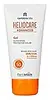 Key Ingredients
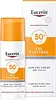
Benefits
Concerns
Ingredients Side-by-side
Water
Skin ConditioningEthylhexyl Methoxycinnamate
UV Absorber


Octocrylene
UV Absorber
Styrene/Acrylates Copolymer
Cyclopentasiloxane
Emollient
Glycerin
Humectant


Hexylene Glycol
EmulsifyingPolyacrylamide
PEG/PPG-20/6 Dimethicone
Emulsifying
Zinc Oxide
Cosmetic Colorant
C13-14 Isoparaffin
Emollient
Polypodium Leucotomos Leaf Extract
Skin Protecting
Phenoxyethanol
Preservative
Titanium Dioxide
Cosmetic Colorant
Laureth-7
EmulsifyingCetyl Dimethicone
Emollient
Camellia Sinensis Extract
Antioxidant


Tocopheryl Acetate
Antioxidant

Dichlorobenzyl Alcohol
Antimicrobial
Micrococcus Lysate
Skin ConditioningTetrasodium EDTA
Alumina
Abrasive
BHT
Antioxidant
Simethicone
Emollient
Triethoxycaprylylsilane
Parfum
Masking


Linalool
Perfuming
Limonene
Perfuming
Water, Ethylhexyl Methoxycinnamate, Octocrylene, Styrene/Acrylates Copolymer, Cyclopentasiloxane, Glycerin, Hexylene Glycol, Polyacrylamide, PEG/PPG-20/6 Dimethicone, Zinc Oxide, C13-14 Isoparaffin, Polypodium Leucotomos Leaf Extract, Phenoxyethanol, Titanium Dioxide, Laureth-7, Cetyl Dimethicone, Camellia Sinensis Extract, Tocopheryl Acetate, Dichlorobenzyl Alcohol, Micrococcus Lysate, Tetrasodium EDTA, Alumina, BHT, Simethicone, Triethoxycaprylylsilane, Parfum, Linalool, Limonene
Water
Skin ConditioningHomosalate
Skin Conditioning
Polymethylsilsesquioxane
Butyl Methoxydibenzoylmethane
UV Absorber
Ethylhexyl Salicylate
UV Absorber
Octocrylene
UV Absorber
Alcohol Denat.
Antimicrobial

Tapioca Starch
Phenylbenzimidazole Sulfonic Acid
UV Absorber
Cyclomethicone
Emollient
Behenyl Alcohol
Emollient
Cetearyl Alcohol
Emollient


Methylpropanediol
SolventSilica Dimethyl Silylate
EmollientGlycerin
Humectant
Carnitine
Cleansing
Glycyrrhetinic Acid
Skin Conditioning
Glycyrrhiza Inflata Root Extract
Skin Conditioning
Sodium Stearoyl Glutamate
CleansingAcrylates/C10-30 Alkyl Acrylate Crosspolymer
Emulsion StabilisingCarbomer
Emulsion StabilisingXanthan Gum
EmulsifyingSodium Hydroxide
BufferingSodium Chloride
MaskingTrisodium EDTA
Ethylhexylglycerin
Skin ConditioningPhenoxyethanol
Preservative
Water, Homosalate, Polymethylsilsesquioxane, Butyl Methoxydibenzoylmethane, Ethylhexyl Salicylate, Octocrylene, Alcohol Denat., Tapioca Starch, Phenylbenzimidazole Sulfonic Acid, Cyclomethicone, Behenyl Alcohol, Cetearyl Alcohol, Methylpropanediol, Silica Dimethyl Silylate, Glycerin, Carnitine, Glycyrrhetinic Acid, Glycyrrhiza Inflata Root Extract, Sodium Stearoyl Glutamate, Acrylates/C10-30 Alkyl Acrylate Crosspolymer, Carbomer, Xanthan Gum, Sodium Hydroxide, Sodium Chloride, Trisodium EDTA, Ethylhexylglycerin, Phenoxyethanol
Reviews
Ingredients Explained
These ingredients are found in both products.
Ingredients higher up in an ingredient list are typically present in a larger amount.
Glycerin (or glycerol) is a compound naturally found in your skin. It's a powerhouse humectant that pulls water into the stratum corneum.
Topically, glycerin does several things at once:
Your skin makes glycerin on its own (mostly from sebaceous oil breakdown) and shuttles it to your outermost layer of skin, or your epidermis, via aquaporin-3.
Aquaporin-3 is a transporter that is essential for normal skin hydration, elasticity, and repair. Interestingly, mice lacking in AQP3 have dry and less elastic skin that can be fully corrected with glycerin.
This ingredient is non-irritating, plays well with almost every ingredient, and works across all skin types. Typical use is anywhere between 3-10% but can go up to 79% in some leave-on products.
Just know very high concentrations (>40%) can feel tacky in low humidity.
Glycerin is the name for this ingredient in American English. British English uses Glycerol/Glycerine.
Learn more about GlycerinOctocrylene is an oil-soluble organic UV filter that mainly absorbs UVB and short wave UVA II light.
Its real superpower is teamwork: octocrylene is remarkably photostable and is most famous for stabilizing avobenzone (the workhorse UVA filter).
This ingredient is commonly used to enhance both UVB and UVA protection due to its unique property in stabilizing avobenzone. It also pulls double duty by boosting water resistance and giving formulas a smooth, spreadable feel.
The EU's Scientific Committee on Consumer Safety (SCCS) has deemed octocrylene to be safe as a UV-filter at concentrations up to 10% (capped at 9% in propellant sprays). The US also permits it up to 10%.
Two things worth knowing:
You'll usually see this ingredient used in concentrations between 2-10% (higher amounts when used as a stabilizer for avobenzone).
Learn more about OctocrylenePhenoxyethanol is a preservative that has germicide, antimicrobial, and aromatic properties. Studies show that phenoxyethanol can prevent microbial growth. By itself, it has a scent that is similar to that of a rose.
It's often used in formulations along with Caprylyl Glycol to preserve the shelf life of products.
Water. It's the most common cosmetic ingredient of all. You'll usually see it at the top of ingredient lists, meaning that it makes up the largest part of the product.
So why is it so popular? Water most often acts as a solvent - this means that it helps dissolve other ingredients into the formulation.
You'll also recognize water as that liquid we all need to stay alive. If you see this, drink a glass of water. Remember to stay hydrated!
Learn more about Water
