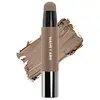
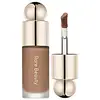
Haus Labs By Lady Gaga Precision Sculpt Shaping Balm Contour Stick Versus Rare Beauty Soft Pinch Liquid Contour

What's inside
What's inside
 Key Ingredients
Benefits
Concerns
Ingredients Side-by-side
Dimethicone
Emollient

Synthetic Wax
Abrasive


Silica
Abrasive

Polyglyceryl-2 Triisostearate
Emulsifying
Caprylyl Methicone
Skin Conditioning
Diisostearyl Malate
EmollientCaprylic/Capric Triglyceride
Masking


Trimethylsiloxysilicate
Emollient
Dimethicone/Vinyl Dimethicone Crosspolymer
Skin Conditioning
Ricinus Communis Seed Oil
Masking

Zea Mays Oil
Emulsifying
Vitis Vinifera Fruit Extract
Skin ConditioningRosa Hybrid Flower Extract
Skin ConditioningQuercus Suber Bark Extract
Skin ConditioningSqualane
Emollient
Arnica Montana Flower Extract
Masking
Angelica Gigas Root Extract
Skin ConditioningPseudozyma Epicola/Lithospermum Erythrorhizon Root Extract Ferment Filtrate Extract
EmollientPseudozyma Epicola/Avocado Oil Ferment Extract
Emollient
Prunus Armeniaca Kernel Oil
Masking
Olea Europaea Fruit Oil
Masking
Prunus Amygdalus Dulcis Oil
Skin Conditioning
Helianthus Annuus Seed Oil
Emollient
Glycyrrhiza Glabra Root/Sucrose Ferment Extract Filtrate
Antioxidant
Pseudozyma Epicola/Camellia Sinensis Seed Oil Ferment Extract Filtrate
Humectant
Pseudozyma Epicola/Sunflower Seed Oil Ferment Extract Filtrate
Emulsion Stabilising
Polyglyceryl-3 Diisostearate
Emulsifying
Polyglyceryl-3 Polyricinoleate
Emulsifying
Stearalkonium Bentonite
Gel FormingCalcium Sodium Borosilicate
Triethoxycaprylylsilane
Boron Nitride
Absorbent
Kaolin
Abrasive
Aluminum Hydroxide
EmollientPentaerythrityl Tetra-Di-T-Butyl Hydroxyhydrocinnamate
Antioxidant
Dicalcium Phosphate
Abrasive
Cetearyl Dimethicone/Vinyl Dimethicone Crosspolymer
Emollient
Polyhydroxystearic Acid
Emulsifying
CI 77891
Cosmetic ColorantCI 77491
Cosmetic ColorantCI 77492
Cosmetic ColorantCI 77007
Cosmetic ColorantDimethicone, Synthetic Wax, Silica, Polyglyceryl-2 Triisostearate, Caprylyl Methicone, Diisostearyl Malate, Caprylic/Capric Triglyceride, Trimethylsiloxysilicate, Dimethicone/Vinyl Dimethicone Crosspolymer, Ricinus Communis Seed Oil, Zea Mays Oil, Vitis Vinifera Fruit Extract, Rosa Hybrid Flower Extract, Quercus Suber Bark Extract, Squalane, Arnica Montana Flower Extract, Angelica Gigas Root Extract, Pseudozyma Epicola/Lithospermum Erythrorhizon Root Extract Ferment Filtrate Extract, Pseudozyma Epicola/Avocado Oil Ferment Extract, Prunus Armeniaca Kernel Oil, Olea Europaea Fruit Oil, Prunus Amygdalus Dulcis Oil, Helianthus Annuus Seed Oil, Glycyrrhiza Glabra Root/Sucrose Ferment Extract Filtrate, Pseudozyma Epicola/Camellia Sinensis Seed Oil Ferment Extract Filtrate, Pseudozyma Epicola/Sunflower Seed Oil Ferment Extract Filtrate, Polyglyceryl-3 Diisostearate, Polyglyceryl-3 Polyricinoleate, Stearalkonium Bentonite, Calcium Sodium Borosilicate, Triethoxycaprylylsilane, Boron Nitride, Kaolin, Aluminum Hydroxide, Pentaerythrityl Tetra-Di-T-Butyl Hydroxyhydrocinnamate, Dicalcium Phosphate, Cetearyl Dimethicone/Vinyl Dimethicone Crosspolymer, Polyhydroxystearic Acid, CI 77891, CI 77491, CI 77492, CI 77007
Hydrogenated Polyisobutene
EmollientHydrogenated Poly(C6-14 Olefin)
EmollientMica
Cosmetic ColorantOctyldodecanol
Emollient
Hydrogenated Styrene/Isoprene Copolymer
Trimethylsiloxysilicate
Emollient
Isododecane
EmollientDisteardimonium Hectorite
StabilisingSorbitan Sesquioleate
Emulsifying
1,2-Hexanediol
Skin Conditioning
Tocopherol
Antioxidant



Propylene Carbonate
SolventTriethoxycaprylylsilane
Helianthus Annuus Seed Oil
Emollient
Aluminum Hydroxide
EmollientPentaerythrityl Tetra-Di-T-Butyl Hydroxyhydrocinnamate
Antioxidant
Gardenia Florida Fruit Extract
Skin ConditioningNelumbo Nucifera Flower Extract
Skin ConditioningNymphaea Odorata Root Extract
RefreshingCI 77499
Cosmetic ColorantCI 77492
Cosmetic ColorantCI 77491
Cosmetic ColorantCI 77891
Cosmetic ColorantHydrogenated Polyisobutene, Hydrogenated Poly(C6-14 Olefin), Mica, Octyldodecanol, Hydrogenated Styrene/Isoprene Copolymer, Trimethylsiloxysilicate, Isododecane, Disteardimonium Hectorite, Sorbitan Sesquioleate, 1,2-Hexanediol, Tocopherol, Propylene Carbonate, Triethoxycaprylylsilane, Helianthus Annuus Seed Oil, Aluminum Hydroxide, Pentaerythrityl Tetra-Di-T-Butyl Hydroxyhydrocinnamate, Gardenia Florida Fruit Extract, Nelumbo Nucifera Flower Extract, Nymphaea Odorata Root Extract, CI 77499, CI 77492, CI 77491, CI 77891
Reviews
Ingredients Explained
These ingredients are found in both products.
Ingredients higher up in an ingredient list are typically present in a larger amount.
Aluminum Hydroxide is a form of aluminum. It can be naturally found in nature as the mineral gibbsite. In cosmetics, Aluminum Hydroxide is used as a colorant, pH adjuster, and absorbent.
As a colorant, Aluminum Hydroxide may add opacity, or reduce the transparency. Aluminum hydroxide is contains both basic and acidic properties.
According to manufacturers, this ingredient is an emollient and humectant. This means it helps hydrate the skin.
In medicine, this ingredient is used to help relieve heartburn and help heal ulcers.
There is currently no credible scientific evidence linking aluminum hydroxide in cosmetics to increased cancer risk.
Major health organizations allow the use of aluminum hydroxide in personal care products and have not flagged it as a carcinogenic risk at typical usage levels.
Learn more about Aluminum HydroxideCi 77491 is also hydrated iron III oxide. It's sole purpose is to give a red/pink hue to products.
Iron III oxides are classified as inorganic chemicals for coloring.
Synthetically created Ci 77491 is considered safer than those naturally found. This is because the synthetically created version may contain less impurities. Iron oxides are generally non-toxic and non-allergenic.
Learn more about CI 77491CI 77492 is also hydrated iron III oxide. It's sole purpose is to give a yellow hue to products.
Iron III oxides are classified as inorganic chemicals for coloring.
Synthetically created CI 77492 is considered safer than those naturally found. This is because the synthetically created version may contain less impurities. Iron oxides are generally non-toxic and non-allergenic.
Learn more about CI 77492Ci 77891 is a white pigment from Titanium dioxide. It is naturally found in minerals such as rutile and ilmenite.
It's main function is to add a white color to cosmetics. It can also be mixed with other colors to create different shades.
Ci 77891 is commonly found in sunscreens due to its ability to block UV rays.
Learn more about CI 77891Helianthus Annuus Seed Oil is a plant oil derived from the seeds of a sunflower.
It is rich in fatty acids, primarily linoleic acid and oleic acid. This gives it emollient and skin conditioning properties.
The reason this ingredient is so effective is because it forms a thin film on the skin that reduces transepidermal water loss (TEWL) while supplying linoleic acid to the stratum corneum to improve barrier strength.
The high linoleic acid content is particularly noteworthy for acne-prone skin.
Research suggests that acne-prone skin tends to be deficient in linoleic acid in sebum. Topical application may help replenish this to support a healthier follicular environment and less comedone-promoting sebum.
One randomized study found sunflower seed oil preserved skin barrier integrity in adult volunteers with and without atopic dermatitis (outperforming olive oil).
This ingredient is well-studied, gentle, and an effective emollient suitable for most skin types.
On fungal acne: This ingredient may not be Fungal acne (Malassezia folliculitis) safe. This is because it contains fatty acids with carbon chain lengths in the C11-C24 range.
Learn more about Helianthus Annuus Seed OilPentaerythrityl Tetra-Di-T-Butyl Hydroxyhydrocinnamate (long name, huh?) is a synthetic antioxidant.
It is used to help stabilize other antioxidants or prevent the color from changing in a product.
As an antioxidant, it helps fight free-radical molecules. Free-radical molecules are capable of damaging our cells and other genetic material. Thus, antioxidants may reduce the signs of aging.
This ingredient is oil-soluble.
Learn more about Pentaerythrityl Tetra-Di-T-Butyl HydroxyhydrocinnamateTriethoxycaprylylsilane is a silicon-based surface modifier that makes sunscreens feel silky and makeup stay put.
Its main job is to coat mineral particles like titanium dioxide, zinc oxide, and color pigments in a thin, oily layer so they spread smoothly, don't clump, and stick to skin better.
This ingredient is typically used at low levels (up to 2.5% in eyeshadow and 1% in lipstick).
Learn more about TriethoxycaprylylsilaneThis silicone is an emollient. Emollients create a thin film on the skin to prevent moisture from escaping.
It is not soluble in water and helps increase water-resistance in products.
According to a manufacturer, it can blend seamlessly with silicone oils, such as Cyclopentasiloxane.
Learn more about Trimethylsiloxysilicate
