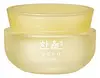
This brightening overnight mask is formulated around Niacinamide and 3-O-Ethyl Ascorbic Acid to brighten dull-looking skin.
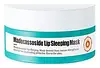
This barrier-repair lip mask is formulated around Centella Asiatica Leaf Water and Madecassoside to strengthen the lip barrier and hydrate lips.

What's inside
What's inside
 Key Ingredients
Benefits
Concerns
Ingredients Side-by-side
Water
Skin ConditioningGlycerin
Humectant


Butylene Glycol
Humectant
Methyl Trimethicone
Skin Conditioning
Hydrogenated Poly(C6-14 Olefin)
EmollientTrehalose
Humectant
Niacinamide
Smoothing








Alcohol
Antimicrobial




PCA Dimethicone
Skin Conditioning
1,2-Hexanediol
Skin Conditioning
Behenyl Alcohol
Emollient
Jojoba Esters
Emollient
Acrylates/C10-30 Alkyl Acrylate Crosspolymer
Emulsion StabilisingCnidium Officinale Root Water
MaskingAngelica Acutiloba Root Water
Skin ConditioningHydroxyethyl Acrylate/Sodium Acryloyldimethyl Taurate Copolymer
Emulsion StabilisingHelianthus Annuus Seed Oil
Emollient
Limonene
Perfuming

Ammonium Acryloyldimethyltaurate/Beheneth-25 Methacrylate Crosspolymer
Emulsion StabilisingTromethamine
BufferingCitrus Junos Peel Oil
Astringent
Xanthan Gum
EmulsifyingGlyceryl Caprylate
EmollientDaucus Carota Sativa Root Extract
Skin Conditioning
Disodium EDTA
Ethylhexylglycerin
Skin ConditioningGeraniol
Perfuming
Adenosine
Skin Conditioning
Sorbitan Isostearate
Emulsifying
Linalool
Perfuming
3-O-Ethyl Ascorbic Acid
Skin Conditioning
Beta-Carotene
Skin ConditioningFarnesol
Perfuming
Tocopherol
Antioxidant

Cymbopogon Martini Oil
Masking
Citrus Junos Peel Extract
Skin ConditioningWater, Glycerin, Butylene Glycol, Methyl Trimethicone, Hydrogenated Poly(C6-14 Olefin), Trehalose, Niacinamide, Alcohol, PCA Dimethicone, 1,2-Hexanediol, Behenyl Alcohol, Jojoba Esters, Acrylates/C10-30 Alkyl Acrylate Crosspolymer, Cnidium Officinale Root Water, Angelica Acutiloba Root Water, Hydroxyethyl Acrylate/Sodium Acryloyldimethyl Taurate Copolymer, Helianthus Annuus Seed Oil, Limonene, Ammonium Acryloyldimethyltaurate/Beheneth-25 Methacrylate Crosspolymer, Tromethamine, Citrus Junos Peel Oil, Xanthan Gum, Glyceryl Caprylate, Daucus Carota Sativa Root Extract, Disodium EDTA, Ethylhexylglycerin, Geraniol, Adenosine, Sorbitan Isostearate, Linalool, 3-O-Ethyl Ascorbic Acid, Beta-Carotene, Farnesol, Tocopherol, Cymbopogon Martini Oil, Citrus Junos Peel Extract
Phytosteryl/Isostearyl/Cetyl/Stearyl/Behenyl Dimer Dilinoleate
Skin Conditioning
Hydrogenated Polyisobutene
EmollientHydrogenated Poly(C6-14 Olefin)
EmollientPetrolatum
Emollient
Microcrystalline Wax
Emulsion StabilisingMethyl Hydrogenated Rosinate
Perfuming
Centella Asiatica Leaf Water
Skin Conditioning
Centella Asiatica Leaf
Skin Conditioning
Moringa Oleifera Seed Oil
Emollient
Sucrose Tetrastearate Triacetate
Emollient
Diisostearyl Malate
EmollientPolyethylene
Abrasive
Ethylene/Propylene/Styrene Copolymer
Butylene/Ethylene/Styrene Copolymer
Tocopherol
Antioxidant
Glyceryl Caprylate
EmollientMadecassoside
Antioxidant
Asiaticoside
Antioxidant
Glycerin
Humectant
Ceramide NP
Skin Conditioning
Phytosphingosine
Skin Conditioning
Hydrogenated Lecithin
Emulsifying
Phytosteryl/Isostearyl/Cetyl/Stearyl/Behenyl Dimer Dilinoleate, Hydrogenated Polyisobutene, Hydrogenated Poly(C6-14 Olefin), Petrolatum, Microcrystalline Wax, Methyl Hydrogenated Rosinate, Centella Asiatica Leaf Water, Centella Asiatica Leaf, Moringa Oleifera Seed Oil, Sucrose Tetrastearate Triacetate, Diisostearyl Malate, Polyethylene, Ethylene/Propylene/Styrene Copolymer, Butylene/Ethylene/Styrene Copolymer, Tocopherol, Glyceryl Caprylate, Madecassoside, Asiaticoside, Glycerin, Ceramide NP, Phytosphingosine, Hydrogenated Lecithin
Reviews
Ingredients Explained
These ingredients are found in both products.
Ingredients higher up in an ingredient list are typically present in a larger amount.
Glycerin (or glycerol) is a compound naturally found in your skin. It's a powerhouse humectant that pulls water into the stratum corneum.
Topically, glycerin does several things at once:
Your skin makes glycerin on its own (mostly from sebaceous oil breakdown) and shuttles it to your outermost layer of skin, or your epidermis, via aquaporin-3.
Aquaporin-3 is a transporter that is essential for normal skin hydration, elasticity, and repair. Interestingly, mice lacking in AQP3 have dry and less elastic skin that can be fully corrected with glycerin.
This ingredient is non-irritating, plays well with almost every ingredient, and works across all skin types. Typical use is anywhere between 3-10% but can go up to 79% in some leave-on products.
Just know very high concentrations (>40%) can feel tacky in low humidity.
Glycerin is the name for this ingredient in American English. British English uses Glycerol/Glycerine.
Learn more about GlycerinGlyceryl Caprylate comes from glycerin and caprylic acid. It is an emollient, co-emulsifier, and preservative booster.
Its short C8 fatty acid chain makes it behave differently from its longer-chain emollient cousins like Glyceryl Stearate. It feels more lightweight, fast-absorbing, and silky instead of rich and waxy.
As a co-emulsifier, its "head" and "tail" sit at the oil-water interface. But overall, the short C8 tail and not being water soluble means it doesn't really have the muscle to emulsify a formula on its own. That's why you'll often see it paired with a primary emulsifier like Cetearyl Glucoside.
Interestingly, Glyceryl Caprylate acts as a preservative booster. This is because its fatty-acid backbone disrupts microbial lipid membranes. It shows excellent activity against bacteria and yeast but is weaker against mold.
Typical concentrations range from 0.5-1% and this ingredient is generally non-irritating.
Because this ingredient has a C8 fatty acid chain, it is outside the range that the Malassezia yeast metabolizes (making it fungal acne safe).
Learn more about Glyceryl CaprylateThis ingredient is a synthetic ingredient with emollient and skin conditioner used to make skincare products feel more lightweight on the skin. It helps improve slip and spreadability without feeling greasy.
Because it is high molecular weight and lipophilic (oil loving), it remains on the surface of skin.
Tocopherol is a fat-soluble antioxidant known as Vitamin E.
You'll find this ingredient in the vast majority of skincare (for good reason). It works to neutralize free radicals, or unstable molecules generated by UV exposure, pollution, and other environmental stressors, before they can cause oxidative damage to your skin cells.
Topically applied tocopherol has been shown to protect against UV damage by ramping up the skin's own natural defense enzymes.
It also acts as a skin conditioning agent; some studies show that regular topical use can improve the skin's water-binding capacity over 2-4 weeks.
This ingredient is especially loved for being a team player. When combined with Vitamin C, the photoprotective effect of both ingredients roughly doubles and the combo also helps reduce UV-induced DNA damage.
This ingredient has some brightening potential but it's more of a prevention ingredient than spot-fader. Cell studies show it can slow down melanin production but it's worth noting that it's not the most powerful brightener out there.
In formulations, it also serves as a stabilizer that helps protect other oxidation-prone ingredients from degrading.
Concentrations usually range from 0.1-1% in most leave-on products.
Learn more about Tocopherol

