
What's inside
What's inside
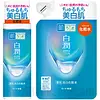 Key Ingredients
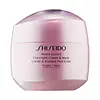
Benefits
Concerns
No concerns
Ingredients Side-by-side
Tranexamic Acid
Astringent




Water
Skin ConditioningButylene Glycol
Humectant
Glycerin
Humectant
Hydrolyzed Hyaluronic Acid
Humectant

Sodium Hyaluronate
Humectant
Magnesium Ascorbyl Phosphate
Antioxidant




Tocopherol
Antioxidant
Saccharomyces/Coix Lacryma-Jobi Ma-Yuen Seed Ferment Filtrate
Skin ConditioningCoix Lacryma-Jobi Ma-Yuen Seed Extract
Skin ConditioningPEG-40 Hydrogenated Castor Oil
Emulsifying

Citric Acid
Buffering


Sodium Benzoate
Masking
Caprylic/Capric Triglyceride
Masking
Squalane
Emollient
Disodium EDTA
Dipropylene Glycol
HumectantSodium Citrate
BufferingPhenoxyethanol
Preservative
Tranexamic Acid, Water, Butylene Glycol, Glycerin, Hydrolyzed Hyaluronic Acid, Sodium Hyaluronate, Magnesium Ascorbyl Phosphate, Tocopherol, Saccharomyces/Coix Lacryma-Jobi Ma-Yuen Seed Ferment Filtrate, Coix Lacryma-Jobi Ma-Yuen Seed Extract, PEG-40 Hydrogenated Castor Oil, Citric Acid, Sodium Benzoate, Caprylic/Capric Triglyceride, Squalane, Disodium EDTA, Dipropylene Glycol, Sodium Citrate, Phenoxyethanol
Water
Skin ConditioningDimethicone
Emollient
Dipropylene Glycol
HumectantGlycerin
Humectant
Sd Alcohol 40-B
Astringent

Hydrogenated Polydecene
EmollientPEG-10 Dimethicone
Skin Conditioning
Sorbitol
Humectant
PEG-150
HumectantPEG-400
Emulsion StabilisingDiisostearyl Malate
EmollientPEG-9 Polydimethylsiloxyethyl Dimethicone
Emulsifying
Disteardimonium Hectorite
StabilisingPEG-20
HumectantTrehalose
Humectant
Potassium Methoxysalicylate
BleachingPhenoxyethanol
Preservative
Polyvinyl Alcohol
Hydroxyethylcellulose
Emulsion StabilisingButylene Glycol
Humectant
Trisodium EDTA
Hdi/Trimethylol Hexyllactone Crosspolymer
Sodium Citrate
BufferingDipotassium Glycyrrhizate
Humectant
Alcohol
Antimicrobial


Parfum
Masking
Caffeine
Skin Conditioning
Citric Acid
Buffering
Sodium Metaphosphate
BufferingPEG/PPG-14/7 Dimethyl Ether
Skin ConditioningPPG-3 Dipivalate
Skin ConditioningLinalool
Perfuming
Tocopherol
Antioxidant
Citronellol
Perfuming
Sodium Metabisulfite
Antioxidant
Geraniol
Perfuming
Paeonia Albiflora Root Extract
Skin ConditioningSilica
Abrasive
CI 77491
Cosmetic ColorantAngelica Keiskei Leaf/Stem Extract
Skin ConditioningLimonene
Perfuming
Crataegus Monogyna Flower Extract
Skin ConditioningRehmannia Chinensis Root Extract
Skin ConditioningPrunus Yedoensis Leaf Extract
Skin ConditioningZiziphus Jujuba Fruit Extract
Skin ConditioningPyrola Incarnata Extract
Skin ConditioningPotentilla Erecta Root Extract
Skin ConditioningAchillea Millefolium Extract
CleansingBenzoic Acid
Masking
Water, Dimethicone, Dipropylene Glycol, Glycerin, Sd Alcohol 40-B, Hydrogenated Polydecene, PEG-10 Dimethicone, Sorbitol, PEG-150, PEG-400, Diisostearyl Malate, PEG-9 Polydimethylsiloxyethyl Dimethicone, Disteardimonium Hectorite, PEG-20, Trehalose, Potassium Methoxysalicylate, Phenoxyethanol, Polyvinyl Alcohol, Hydroxyethylcellulose, Butylene Glycol, Trisodium EDTA, Hdi/Trimethylol Hexyllactone Crosspolymer, Sodium Citrate, Dipotassium Glycyrrhizate, Alcohol, Parfum, Caffeine, Citric Acid, Sodium Metaphosphate, PEG/PPG-14/7 Dimethyl Ether, PPG-3 Dipivalate, Linalool, Tocopherol, Citronellol, Sodium Metabisulfite, Geraniol, Paeonia Albiflora Root Extract, Silica, CI 77491, Angelica Keiskei Leaf/Stem Extract, Limonene, Crataegus Monogyna Flower Extract, Rehmannia Chinensis Root Extract, Prunus Yedoensis Leaf Extract, Ziziphus Jujuba Fruit Extract, Pyrola Incarnata Extract, Potentilla Erecta Root Extract, Achillea Millefolium Extract, Benzoic Acid
Ingredients Explained
These ingredients are found in both products.
Ingredients higher up in an ingredient list are typically present in a larger amount.
Butylene Glycol (or BG) is used within cosmetic products for a few different reasons:
Overall, Butylene Glycol is a safe and well-rounded ingredient that works well with other ingredients.
Though this ingredient works well with most skin types, some people with sensitive skin may experience a reaction such as allergic rashes, closed comedones, or itchiness.
Learn more about Butylene GlycolCitric Acid is an alpha hydroxy acid (AHA) naturally found in citrus fruits like oranges, lemons, and limes.
Like other AHAs, citric acid can exfoliate skin by breaking down the bonds that hold dead skin cells together. This helps reveal smoother and brighter skin underneath.
However, this exfoliating effect only happens at high concentrations (20%) which can be hard to find in cosmetic products.
Due to this, citric acid is usually included in small amounts as a pH adjuster. This helps keep products slightly more acidic and compatible with skin's natural pH.
In skincare formulas, citric acid can:
While it can provide some skin benefits, research shows lactic acid and glycolic acid are generally more effective and less irritating exfoliants.
Most citric acid used in skincare today is made by fermenting sugars (usually from molasses). This synthetic version is identical to the natural citrus form but easier to stabilize and use in formulations.
Read more about some other popular AHA's here:
Learn more about Citric AcidDipropylene Glycol is a synthetically created humectant, stabilizer, and solvent.
This ingredient helps:
Dipropylene glycol is technically an alcohol, but it belongs to the glycol family (often considered part of the ‘good’ alcohols). This means it is hydrating and gentle on skin unlike drying solvent alcohols like denatured alcohol.
As a masking agent, Dipropylene Glycol can be used to cover the smell of other ingredients. However, it does not have a scent.
Studies show Dipropylene Glycol is considered safe to use in skincare.
Learn more about Dipropylene GlycolGlycerin is already naturally found in your skin. It helps moisturize and protect your skin.
A study from 2016 found glycerin to be more effective as a humectant than AHAs and hyaluronic acid.
As a humectant, it helps the skin stay hydrated by pulling moisture to your skin. The low molecular weight of glycerin allows it to pull moisture into the deeper layers of your skin.
Hydrated skin improves your skin barrier; Your skin barrier helps protect against irritants and bacteria.
Glycerin has also been found to have antimicrobial and antiviral properties. Due to these properties, glycerin is often used in wound and burn treatments.
In cosmetics, glycerin is usually derived from plants such as soybean or palm. However, it can also be sourced from animals, such as tallow or animal fat.
This ingredient is organic, colorless, odorless, and non-toxic.
Glycerin is the name for this ingredient in American English. British English uses Glycerol/Glycerine.
Learn more about GlycerinPhenoxyethanol is a preservative that has germicide, antimicrobial, and aromatic properties. Studies show that phenoxyethanol can prevent microbial growth. By itself, it has a scent that is similar to that of a rose.
It's often used in formulations along with Caprylyl Glycol to preserve the shelf life of products.
Sodium Citrate is the sodium salts of citric acid. In skincare, it is used to alter pH levels and acts as a preservative.
Its main functions are to maintain the pH of a product and neutralize metal ions.
The acidity of our skin is maintained by our glands and skin biome; normal pH level of skin is slightly acidic (~4.75-5.5).
Being slightly acidic allows our skin to create an "acid mantle". This acid mantle is a thin barrier that protects our skin from bacteria and contaminants.
Learn more about Sodium CitrateTocopherol (also known as Vitamin E) is a common antioxidant used to help protect the skin from free-radicals and strengthen the skin barrier. It's also fat soluble - this means our skin is great at absorbing it.
Vitamin E also helps keep your natural skin lipids healthy. Your lipid skin barrier naturally consists of lipids, ceramides, and fatty acids. Vitamin E offers extra protection for your skin’s lipid barrier, keeping your skin healthy and nourished.
Another benefit is a bit of UV protection. Vitamin E helps reduce the damage caused by UVB rays. (It should not replace your sunscreen). Combining it with Vitamin C can decrease sunburned cells and hyperpigmentation after UV exposure.
You might have noticed Vitamin E + C often paired together. This is because it is great at stabilizing Vitamin C. Using the two together helps increase the effectiveness of both ingredients.
There are often claims that Vitamin E can reduce/prevent scarring, but these claims haven't been confirmed by scientific research.
Learn more about TocopherolWater. It's the most common cosmetic ingredient of all. You'll usually see it at the top of ingredient lists, meaning that it makes up the largest part of the product.
So why is it so popular? Water most often acts as a solvent - this means that it helps dissolve other ingredients into the formulation.
You'll also recognize water as that liquid we all need to stay alive. If you see this, drink a glass of water. Stay hydrated!
Learn more about Water
