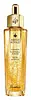
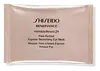
Guerlain Abeille Royale Advanced Youth Watery Oil Versus Shiseido Benefiance WrinkleResist24 Pure Retinol Express Smoothing Eye Mask
This anti-aging oil is formulated around Royal Jelly and Adenosine to soften the look of wrinkles.
This anti-aging eye mask is formulated around Retinol and Magnesium Ascorbyl Phosphate to soften the look of wrinkles and refine skin texture.


What's inside
What's inside
 Key Ingredients
Benefits
Concerns
Ingredients Side-by-side
Water
Skin ConditioningGlycerin
Humectant


Polyglycerin-3
Humectant
1,2-Hexanediol
Skin Conditioning
Alcohol
Antimicrobial




Polysorbate 20
Emulsifying
Pentylene Glycol
Skin Conditioning
Mel
EmollientRoyal Jelly

Mannitol
Humectant
Cellulose
Absorbent
Chlorphenesin
Antimicrobial
Parfum
Masking

Polyacrylate Crosspolymer-6
Emulsion StabilisingPropanediol
Solvent
Trisodium Ethylenediamine Disuccinate
ChelatingSodium Citrate
BufferingCitric Acid
Buffering

Biosaccharide Gum-2
Skin ConditioningTocopheryl Acetate
Antioxidant

Maltodextrin
Absorbent
Adenosine
Skin Conditioning
Caprylic/Capric Triglyceride
Masking
Acrylates/Ammonium Methacrylate Copolymer
Synthetic Fluorphlogopite
Triethyl Citrate
Masking
CI 77891
Cosmetic ColorantSodium Benzoate
Masking
Biosaccharide Gum-1
Humectant
Sodium Metabisulfite
Antioxidant
CI 77492
Cosmetic ColorantPotassium Sorbate
Preservative
CI 77491
Cosmetic ColorantHydroxypropyl Methylcellulose
Emulsion StabilisingTin Oxide
Abrasive
Water, Glycerin, Polyglycerin-3, 1,2-Hexanediol, Alcohol, Polysorbate 20, Pentylene Glycol, Mel, Royal Jelly, Mannitol, Cellulose, Chlorphenesin, Parfum, Polyacrylate Crosspolymer-6, Propanediol, Trisodium Ethylenediamine Disuccinate, Sodium Citrate, Citric Acid, Biosaccharide Gum-2, Tocopheryl Acetate, Maltodextrin, Adenosine, Caprylic/Capric Triglyceride, Acrylates/Ammonium Methacrylate Copolymer, Synthetic Fluorphlogopite, Triethyl Citrate, CI 77891, Sodium Benzoate, Biosaccharide Gum-1, Sodium Metabisulfite, CI 77492, Potassium Sorbate, CI 77491, Hydroxypropyl Methylcellulose, Tin Oxide
Water
Skin ConditioningButylene Glycol
Humectant
Pentaerythrityl Tetraethylhexanoate
Emollient
Diphenylsiloxy Phenyl Trimethicone
Skin Conditioning
Glycerin
Humectant
Dipropylene Glycol
HumectantPEG-60 Hydrogenated Castor Oil
Emulsifying
Tocopheryl Acetate
Antioxidant
Phenoxyethanol
Preservative
Alcohol
Antimicrobial
Carbomer
Emulsion StabilisingSodium Citrate
BufferingParfum
Masking
BHT
Antioxidant
Squalane
Emollient
Xanthan Gum
EmulsifyingPotassium Hydroxide
BufferingRetinol
Skin Conditioning




Polysorbate 20
Emulsifying
Citric Acid
Buffering
Trisodium EDTA
ChelatingMagnesium Ascorbyl Phosphate
Antioxidant

Butylphenyl Methylpropional
Perfuming
Sapindus Mukorossi Peel Extract
Skin ConditioningLimonene
Perfuming
Linalool
Perfuming
Uncaria Gambir Extract
AstringentCitronellol
Perfuming
Alpha-Isomethyl Ionone
Perfuming
Paeonia Suffruticosa Root Extract
Skin ProtectingGeraniol
Perfuming
Benzyl Benzoate
Antimicrobial
Sodium Acetylated Hyaluronate
Humectant
Hydroxyproline
Skin ConditioningChlorella Vulgaris Extract
Skin ConditioningCI 75130
Cosmetic ColorantWater, Butylene Glycol, Pentaerythrityl Tetraethylhexanoate, Diphenylsiloxy Phenyl Trimethicone, Glycerin, Dipropylene Glycol, PEG-60 Hydrogenated Castor Oil, Tocopheryl Acetate, Phenoxyethanol, Alcohol, Carbomer, Sodium Citrate, Parfum, BHT, Squalane, Xanthan Gum, Potassium Hydroxide, Retinol, Polysorbate 20, Citric Acid, Trisodium EDTA, Magnesium Ascorbyl Phosphate, Butylphenyl Methylpropional, Sapindus Mukorossi Peel Extract, Limonene, Linalool, Uncaria Gambir Extract, Citronellol, Alpha-Isomethyl Ionone, Paeonia Suffruticosa Root Extract, Geraniol, Benzyl Benzoate, Sodium Acetylated Hyaluronate, Hydroxyproline, Chlorella Vulgaris Extract, CI 75130
Reviews
Ingredients Explained
These ingredients are found in both products.
Ingredients higher up in an ingredient list are typically present in a larger amount.
This ingredient is also called ethanol or ethyl alcohol. It is denatured, meaning made undrinkable for cosmetic use.
In formulas, it:
Is it bad for your skin?
The answer comes down to concentration. Patch and wash studies have found highly concentrated alcohol-based hand rubs (60-100%) cause less barrier disruption than washing with a basic detergent like SLS. The only measurable effect in these studies was a temporary dip in skin hydration.
Concentrations below 12-15% in leave-on cosmetics is generally well-tolerated. Concentrations above start to see increased transepidermal water loss (TEWL) and reduced hydration.
In concentrations about 58%, it creates temporary channels in your skin's lipid layers to become more permeable and allow other ingredients to slip through easily.
This ingredient can be up to 80% of the formula in alcohol-based perfumes.
Overall, this ingredient is probably harmless if found lower down an ingredients list but worth side-eyeing if it's high up (especially if your barrier is already struggling).
Alcohol can worsen dry skin, eczema, and oily skin, especially at higher concentrations. This is because it can increase transepidermal water loss and decrease hydration to disrupt the skin barrier.
According to the National Rosacea Society based in the US, you should be mindful of products with these alcohols in the top half of ingredients.
True allergic contact dermatitis to ethanol is uncommon, but be sure to patch test if you have dry or sensitive skin.
Learn more about AlcoholCitric Acid is an alpha hydroxy acid (AHA) naturally found in citrus fruits like oranges, lemons, and limes.
Like other AHAs, citric acid can exfoliate skin by breaking down the bonds that hold dead skin cells together. This helps reveal smoother and brighter skin underneath.
However, this exfoliating effect only happens at high concentrations (20%) which can be hard to find in cosmetic products.
Due to this, citric acid is usually included in small amounts as a pH adjuster. This helps keep products slightly more acidic and compatible with skin's natural pH.
In skincare formulas, citric acid can:
While it can provide some skin benefits, research shows lactic acid and glycolic acid are generally more effective and less irritating exfoliants.
Most citric acid used in skincare today is made by fermenting sugars (usually from molasses). This synthetic version is identical to the natural citrus form but easier to stabilize and use in formulations.
Rosacea skin has a lower threshold for acids generally, with 62.5% of rosacea subjects in one study reacting to lactic acid in a sting test. This is why we mark citric acid as a potential rosacea trigger.
However, this ingredient shows up as a pH adjuster or chelator at roughly 0.1-1% in many products. These low levels are unlikely to be an issue for rosacea skin and becomes a potential trigger at exfoliating concentrations (20%). Because everybody's skin is unique, we recommend a patch test if you are unsure.
Learn more about Citric AcidGlycerin (or glycerol) is a compound naturally found in your skin. It's a powerhouse humectant that pulls water into the stratum corneum.
Topically, glycerin does several things at once:
Your skin makes glycerin on its own (mostly from sebaceous oil breakdown) and shuttles it to your outermost layer of skin, or your epidermis, via aquaporin-3.
Aquaporin-3 is a transporter that is essential for normal skin hydration, elasticity, and repair. Interestingly, mice lacking in AQP3 have dry and less elastic skin that can be fully corrected with glycerin.
This ingredient is non-irritating, plays well with almost every ingredient, and works across all skin types. Typical use is anywhere between 3-10% but can go up to 79% in some leave-on products.
Just know very high concentrations (>40%) can feel tacky in low humidity.
Glycerin is the name for this ingredient in American English. British English uses Glycerol/Glycerine.
Learn more about GlycerinParfum is a catch-all term for an ingredient or more that is used to give a scent to products.
Also called "fragrance", this ingredient can be a blend of hundreds of chemicals or plant oils. This means every product with "fragrance" or "parfum" in the ingredients list is a different mixture.
For instance, Habanolide is a proprietary trade name for a specific aroma chemical. When used as a fragrance ingredient in cosmetics, most aroma chemicals fall under the broad labeling category of “FRAGRANCE” or “PARFUM” according to EU and US regulations.
The term 'parfum' or 'fragrance' is not regulated in many countries. In many cases, it is up to the brand to define this term.
For instance, many brands choose to label themselves as "fragrance-free" because they are not using synthetic fragrances. However, their products may still contain ingredients such as essential oils that are considered a fragrance by INCI standards.
One example is Calendula flower extract. Calendula is an essential oil that still imparts a scent or 'fragrance'.
Depending on the blend, the ingredients in the mixture can cause allergies and sensitivities on the skin. Some ingredients that are known EU allergens include linalool and citronellol.
Parfum can also be used to mask or cover an unpleasant scent.
The bottom line is: not all fragrances/parfum/ingredients are created equally. If you are worried about fragrances, we recommend taking a closer look at an ingredient. And of course, we always recommend speaking with a professional.
Learn more about ParfumPolysorbate 20 is a gentle, water-soluble emulsifier and mild surfactant. It stops oil and water from separating to keep your formulas blended and stable.
It also acts as a mild penetration enhancer by helping active ingredients absorb slightly better.
The common safety discussion around this ingredient involves a manufacturing byproduct called 1,4-dioxane.
Trace amounts can form during production but the EU's Scientific Committee on Consumer Safety has concluded that levels at/below 10 ppm in finished products are safe (commercial products consistently fall within acceptable margins).
True allergic reactions are uncommon and the CIR Expert Panel has confirmed this ingredient to be safe as used in cosmetics.
Because it is derived from lauric acid, it may not be fungal acne safe.
Learn more about Polysorbate 20Sodium Citrate is the sodium salts of citric acid. In skincare, it is used to alter pH levels and acts as a preservative.
Its main functions are to maintain the pH of a product and neutralize metal ions.
The acidity of our skin is maintained by our glands and skin biome; normal pH level of skin is slightly acidic (~4.75-5.5).
Being slightly acidic allows our skin to create an "acid mantle". This acid mantle is a thin barrier that protects our skin from bacteria and contaminants.
Learn more about Sodium CitrateTocopheryl Acetate is a stable, shelf-friendly form of vitamin E.
Formulators love it because plain vitamin E oxidizes quickly once it hits air. This acetate version stays stable and resists going off, helping to extend a product's shelf life.
It's actually inactive on its own and works like a slow-release "storage" form; the enzymes in your skin called esterases gradually convert it into active vitamin E over time.
One in vivo study showed 5% of the acetate in the living layer of the epidermis converted to vitamin E after 5 days of application. This study also found the skin gained protection against UV damage even though the conversion was slow and small.
Once converted, vitamin E acts as a skin's main fat-soluble antioxidant that fights free radicals to protect skin from damage.
Topical vitamin E generally boosts the skin's photoprotection, and it reduced UV-damage in animal models.
This ingredient has some brightening potential but it's more of a prevention ingredient than spot-fader. Cell studies show it can slow down melanin production but it's worth noting that it's not the most powerful brightener out there.
Overall, it has a pretty solid safety profile and has been found to be non-irritating and non-comedogenic. Allergic reactions may happen but stay rare due to how widely the ingredient gets used.
The concentration will vary depending on the formula; industry data shows 0.1% in baby lotions, 3% in lipsticks, and 5% in foot powders. You can also find this ingredient at 100% in a pure vitamin E oil.
Most leave-on skincare keeps it at the lower end, often between 0.5-1%.
Learn more about Tocopheryl AcetateWater. It's the most common cosmetic ingredient of all. You'll usually see it at the top of ingredient lists, meaning that it makes up the largest part of the product.
So why is it so popular? Water most often acts as a solvent - this means that it helps dissolve other ingredients into the formulation.
You'll also recognize water as that liquid we all need to stay alive. If you see this, drink a glass of water. Remember to stay hydrated!
Learn more about Water

