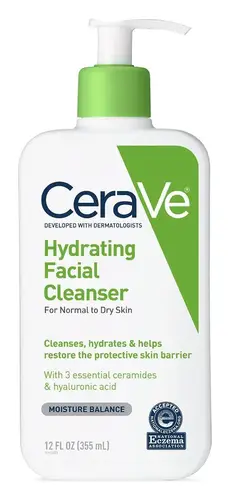
Glow Recipe Blueberry Bounce Gentle Cleanser Versus Dr. Dennis Gross Skincare Alpha Beta® Pore Perfecting Cleansing Gel
This glycolic acid gel cleanser is formulated around Glycolic Acid to exfoliate and smooth skin.
This mandelic acid gel cleanser is formulated around Mandelic Acid to exfoliate and smooth skin.

What's inside
What's inside
 Key Ingredients
Benefits
Concerns
Ingredients Side-by-side
Water
Skin ConditioningDecyl Glucoside
Cleansing
Caulerpa Lentillifera Extract
Beta-Glucan
Skin Conditioning




Sodium Hyaluronate
Humectant

Vaccinium Angustifolium Fruit
AstringentGlycolic Acid
Buffering









Lactic Acid
Buffering
Physalis Peruviana Fruit Extract
Skin ConditioningRubus Idaeus Fruit
AstringentArctostaphylos Uva-Ursi Leaf Extract
Skin Conditioning
Morus Nigra Fruit Extract
Skin ConditioningVaccinium Myrtillus Fruit Extract
Skin ConditioningScutellaria Baicalensis Root Extract
Astringent
Paeonia Suffruticosa Root Extract
Skin ProtectingGlycyrrhiza Glabra Root Extract
Bleaching
Betaine
Humectant
Sodium Chloride
MaskingGlycerin
Humectant
1,2-Hexanediol
Skin Conditioning
Butylene Glycol
Humectant
Parfum
Masking

Water, Decyl Glucoside, Caulerpa Lentillifera Extract, Beta-Glucan, Sodium Hyaluronate, Vaccinium Angustifolium Fruit, Glycolic Acid, Lactic Acid, Physalis Peruviana Fruit Extract, Rubus Idaeus Fruit, Arctostaphylos Uva-Ursi Leaf Extract, Morus Nigra Fruit Extract, Vaccinium Myrtillus Fruit Extract, Scutellaria Baicalensis Root Extract, Paeonia Suffruticosa Root Extract, Glycyrrhiza Glabra Root Extract, Betaine, Sodium Chloride, Glycerin, 1,2-Hexanediol, Butylene Glycol, Parfum
Water
Skin ConditioningGlycerin
Humectant
Sodium Lauroyl Methyl Isethionate
CleansingPropanediol
Solvent
Sodium Cocoamphoacetate
CleansingCocamidopropyl Hydroxysultaine
Cleansing
Disteareth-75 Ipdi
Glycereth-7 Caprylate/Caprate
EmulsifyingSodium Chloride
MaskingTrisodium Ethylenediamine Disuccinate
PEG-40 Hydrogenated Castor Oil
Emulsifying

Mandelic Acid
Antimicrobial
Glycolic Acid
Buffering
Salix Alba Bark Extract
Astringent
Phytic Acid
Potassium Azeloyl Diglycinate
Skin Conditioning
Citric Acid
Buffering
Farnesol
Perfuming
Barosma Betulina Leaf Extract
Perfuming
Sodium PCA
Humectant
Sodium Hyaluronate
Humectant
Tremella Fuciformis Extract
Humectant
Aloe Barbadensis Leaf Juice
Skin Conditioning
Bisabolol
Antioxidant
Hydrolyzed Soy Protein
Humectant
Camellia Sinensis Leaf Extract
Antimicrobial
Butylene Glycol
Humectant
Caprylic/Capric Triglyceride
Masking
Dimethyl Isosorbide
SolventAlcohol
Antimicrobial

Sodium Phytate
Jasminum Officinale Flower/Leaf Extract
Masking
Vitis Vinifera Fruit Extract
Skin ConditioningLavandula Angustifolia Flower/Leaf/Stem Extract
Masking
Eugenia Caryophyllus Flower Extract
AstringentPolyglyceryl-3 Laurate
EmulsifyingPEG-7 Glyceryl Cocoate
Emulsifying
Sodium Hydroxide
BufferingBenzoic Acid
Masking
Sodium Benzoate
Masking
Potassium Sorbate
Preservative
Phenoxyethanol
Preservative
Water, Glycerin, Sodium Lauroyl Methyl Isethionate, Propanediol, Sodium Cocoamphoacetate, Cocamidopropyl Hydroxysultaine, Disteareth-75 Ipdi, Glycereth-7 Caprylate/Caprate, Sodium Chloride, Trisodium Ethylenediamine Disuccinate, PEG-40 Hydrogenated Castor Oil, Mandelic Acid, Glycolic Acid, Salix Alba Bark Extract, Phytic Acid, Potassium Azeloyl Diglycinate, Citric Acid, Farnesol, Barosma Betulina Leaf Extract, Sodium PCA, Sodium Hyaluronate, Tremella Fuciformis Extract, Aloe Barbadensis Leaf Juice, Bisabolol, Hydrolyzed Soy Protein, Camellia Sinensis Leaf Extract, Butylene Glycol, Caprylic/Capric Triglyceride, Dimethyl Isosorbide, Alcohol, Sodium Phytate, Jasminum Officinale Flower/Leaf Extract, Vitis Vinifera Fruit Extract, Lavandula Angustifolia Flower/Leaf/Stem Extract, Eugenia Caryophyllus Flower Extract, Polyglyceryl-3 Laurate, PEG-7 Glyceryl Cocoate, Sodium Hydroxide, Benzoic Acid, Sodium Benzoate, Potassium Sorbate, Phenoxyethanol
Reviews
Ingredients Explained
These ingredients are found in both products.
Ingredients higher up in an ingredient list are typically present in a larger amount.
Butylene Glycol (or BG) is used within cosmetic products for a few different reasons:
Overall, Butylene Glycol is a safe and well-rounded ingredient that works well with other ingredients.
Though this ingredient works well with most skin types, some people with sensitive skin may experience a reaction such as allergic rashes, closed comedones, or itchiness.
Learn more about Butylene GlycolGlycerin (or glycerol) is a compound naturally found in your skin. It's a powerhouse humectant that pulls water into the stratum corneum.
Topically, glycerin does several things at once:
Your skin makes glycerin on its own (mostly from sebaceous oil breakdown) and shuttles it to your outermost layer of skin, or your epidermis, via aquaporin-3.
Aquaporin-3 is a transporter that is essential for normal skin hydration, elasticity, and repair. Interestingly, mice lacking in AQP3 have dry and less elastic skin that can be fully corrected with glycerin.
This ingredient is non-irritating, plays well with almost every ingredient, and works across all skin types. Typical use is anywhere between 3-10% but can go up to 79% in some leave-on products.
Just know very high concentrations (>40%) can feel tacky in low humidity.
Glycerin is the name for this ingredient in American English. British English uses Glycerol/Glycerine.
Learn more about GlycerinGlycolic Acid is arguably the most famous alpha hydroxy acid (AHA) with tons of research backing its benefits.
It is found naturally in sugar cane but the form used in skincare is usually synthetic for purity and stability.
Glycolic acid removes the top layer of dead skin cells to allow newer and fresher ones to emerge.
AHAs work by breaking down the structural “glue” that holds old skin cells in place. When that buildup is gone, your skin can renew itself more efficiently.
Research also shows glycolic acid stimulates collagen production, helping to firm and thicken the skin over time. This is one of its biggest advantages over other AHAs.
Overall, glycolic acid helps with:
Fun fact: Glycolic acid boosts skin hydration by helping it produce molecules that increase hyaluronic acid naturally.
To work best, glycolic acid products should have a pH between 3-4 (that’s where exfoliation is most effective but still gentle on skin).
The pH and concentration of a product are key to its effectiveness:
It is normal to feel a slight stinging sensation when using glycolic acid. This usually fades as your skin adjusts.
Because glycolic acid has the smallest molecular size in the AHA family, it can penetrate deeper, which enhances its effectiveness but also makes it more likely to irritate sensitive skin.
If your skin is very sensitive or prone to rosacea, glycolic acid may be too strong; in that case, try milder options like lactic acid or a PHA instead.
Recent studies suggest glycolic acid might even help protect against UV damage. But don’t skip sunscreen! Freshly exfoliated skin is more sensitive to the sun.
Glycolic acid is a skincare superstar. It smooths, brightens, hydrates, and firms the skin. Unless you’re highly sensitive, it’s well worth adding to your routine.
Read more about some other popular AHA's here:
Learn more about Glycolic AcidChances are, you eat sodium chloride every day. Sodium Chloride is also known as table salt. This ingredient has many purposes in skincare: thickener, emulsifier, and exfoliator.
You'll most likely find this ingredient in cleansers where it is used to create a gel-like texture. As an emulsifier, it also prevents ingredients from separating.
You might see people debate whether Sodium Chloride is comedogenic, but there actually haven't been any comedogenic tests done on it. Either way, the overall formulation of a product matters a lot more than any single ingredient.
You might see this ingredient used in scrubs as a primary exfoliating ingredient.
Learn more about Sodium ChlorideSodium Hyaluronate is the salt form of hyaluronic acid. It is a long sugar chain that is naturally found in your skin, joints, and connective tissue that maintains hydration and elasticity.
In skincare, it works as a humectant. It pulls water from the environment and deeper layers of skin and binds it to the surface.
Interestingly, the size of the molecule affects its behavior:
Some clinical evidence links low molecular weight versions to improved wrinkle depth, elasticity, anti-inflammatory effects, and barrier repair.
Many serums use a blend of both weights so you can get surface hydration plus longer-lasting and deeper effects.
You'll typically see concentrations between 0.1-2% for this ingredient.
Learn more about Sodium HyaluronateWater. It's the most common cosmetic ingredient of all. You'll usually see it at the top of ingredient lists, meaning that it makes up the largest part of the product.
So why is it so popular? Water most often acts as a solvent - this means that it helps dissolve other ingredients into the formulation.
You'll also recognize water as that liquid we all need to stay alive. If you see this, drink a glass of water. Remember to stay hydrated!
Learn more about Water