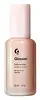
This hydrating serum is formulated around Squalane and Simmondsia Chinensis Seed Oil to hydrate skin and strengthen the skin barrier.


What's inside
What's inside
 Key Ingredients
Benefits
Concerns
Ingredients Side-by-side
Water
Skin ConditioningGlycerin
Humectant


Squalane
Emollient
Isoamyl Laurate
Emollient

Polyglyceryl-3 Polyricinoleate
Emulsifying
Butylene Glycol
Humectant
Simmondsia Chinensis Seed Oil
Emollient
Propanediol
Solvent
Isohexadecane
Emollient1,2-Hexanediol
Skin Conditioning
Oenothera Biennis Oil
Emollient



Olive Oil Polyglyceryl-6 Esters
Emollient
Vitis Vinifera Seed Oil
Emollient
Rosa Canina Fruit Oil
Emollient
Polyglyceryl-6 Pentaoleate
Emulsifying
Sodium Hyaluronate
Humectant
Tocopheryl Acetate
Antioxidant


Evodia Rutaecarpa Fruit Extract
Skin ConditioningRosmarinus Officinalis Leaf Oil
Masking
Ricinus Communis Seed Oil
Masking
Hydrogenated Castor Oil
Emollient
Hydroxyacetophenone
Antioxidant
Sodium Chloride
MaskingDisteardimonium Hectorite
StabilisingPropylene Carbonate
SolventTin Oxide
Abrasive
Mica
Cosmetic ColorantCI 77891
Cosmetic ColorantCI 77491
Cosmetic ColorantWater, Glycerin, Squalane, Isoamyl Laurate, Polyglyceryl-3 Polyricinoleate, Butylene Glycol, Simmondsia Chinensis Seed Oil, Propanediol, Isohexadecane, 1,2-Hexanediol, Oenothera Biennis Oil, Olive Oil Polyglyceryl-6 Esters, Vitis Vinifera Seed Oil, Rosa Canina Fruit Oil, Polyglyceryl-6 Pentaoleate, Sodium Hyaluronate, Tocopheryl Acetate, Evodia Rutaecarpa Fruit Extract, Rosmarinus Officinalis Leaf Oil, Ricinus Communis Seed Oil, Hydrogenated Castor Oil, Hydroxyacetophenone, Sodium Chloride, Disteardimonium Hectorite, Propylene Carbonate, Tin Oxide, Mica, CI 77891, CI 77491
Hydrogenated Polyisobutene
EmollientIsododecane
EmollientIsononyl Isononanoate
EmollientIsodecyl Neopentanoate
EmollientSynthetic Fluorphlogopite
Dimethicone
Emollient
Hydrogenated Styrene/Isoprene Copolymer
Butyrospermum Parkii Butter
Skin Conditioning
Disteardimonium Hectorite
StabilisingCocos Nucifera Oil
Masking
PEG-10 Dimethicone
Skin Conditioning
Propylene Carbonate
SolventDimethiconol
Emollient
BHT
Antioxidant
Parfum
Masking

Tin Oxide
Abrasive
Calcium Sodium Borosilicate
Alumina
Abrasive
Calcium Aluminum Borosilicate
Tris-BHT Mesitylene
Antioxidant
Limonene
Perfuming
Linalool
Perfuming
Magnesium Silicate
AbsorbentHexyl Cinnamal
Perfuming
Silica
Abrasive

Benzyl Salicylate
Perfuming
Benzyl Alcohol
Perfuming

Tocopherol
Antioxidant
Citronellol
Perfuming
Alpha-Isomethyl Ionone
Perfuming
Benzyl Benzoate
Antimicrobial
Coumarin
Perfuming
Citral
Perfuming
Benzyl Cinnamate
Perfuming
Citric Acid
Buffering
CI 77891
Cosmetic ColorantCI 77491
Cosmetic ColorantCI 77492
Cosmetic ColorantCI 77499
Cosmetic ColorantMica
Cosmetic ColorantCI 77007
Cosmetic ColorantCI 77742
Cosmetic ColorantCI 77400
Cosmetic ColorantCI 77000
Cosmetic ColorantCI 75470
Cosmetic ColorantHydrogenated Polyisobutene, Isododecane, Isononyl Isononanoate, Isodecyl Neopentanoate, Synthetic Fluorphlogopite, Dimethicone, Hydrogenated Styrene/Isoprene Copolymer, Butyrospermum Parkii Butter, Disteardimonium Hectorite, Cocos Nucifera Oil, PEG-10 Dimethicone, Propylene Carbonate, Dimethiconol, BHT, Parfum, Tin Oxide, Calcium Sodium Borosilicate, Alumina, Calcium Aluminum Borosilicate, Tris-BHT Mesitylene, Limonene, Linalool, Magnesium Silicate, Hexyl Cinnamal, Silica, Benzyl Salicylate, Benzyl Alcohol, Tocopherol, Citronellol, Alpha-Isomethyl Ionone, Benzyl Benzoate, Coumarin, Citral, Benzyl Cinnamate, Citric Acid, CI 77891, CI 77491, CI 77492, CI 77499, Mica, CI 77007, CI 77742, CI 77400, CI 77000, CI 75470
Reviews
Ingredients Explained
These ingredients are found in both products.
Ingredients higher up in an ingredient list are typically present in a larger amount.
Ci 77491 is also hydrated iron III oxide. It's sole purpose is to give a red/pink hue to products.
Iron III oxides are classified as inorganic chemicals for coloring.
Synthetically created Ci 77491 is considered safer than those naturally found. This is because the synthetically created version may contain less impurities. Iron oxides are generally non-toxic and non-allergenic.
Learn more about CI 77491Ci 77891 is a white pigment from Titanium dioxide. It is naturally found in minerals such as rutile and ilmenite.
It's main function is to add a white color to cosmetics. It can also be mixed with other colors to create different shades.
Ci 77891 is commonly found in sunscreens due to its ability to block UV rays.
Learn more about CI 77891Disteardimonium Hectorite comes from the clay mineral named hectorite. It is used to add thickness to a product.
It can also help stabilize a product by helping to disperse other ingredients.
Hectorite is a rare, white clay mineral.
Learn more about Disteardimonium HectoriteMica is a naturally occurring mineral used to add shimmer and color in cosmetics. It can also help improve the texture of a product or give it an opaque, white/silver color.
Serecite is the name for very fine but ragged grains of mica.
This ingredient is often coated with metal oxides like titanium dioxide. Trace amounts of heavy metals may be found in mica, but these metals are not harmful in our personal products.
Mica has been used since prehistoric times throughout the world. Ancient Egyptian, Indian, Greek, Roman, Aztec, and Chinese civilizations have used mica.
Learn more about MicaThis ingredient is a solvent. It helps dissolve active ingredients and alter the texture of products.
Propylene Carbonate is commonly used in makeup and with clay, such as montmorillonite or bentonite.
Studies show this ingredient to be safe for cosmetics. When it is undiluted, it can cause skin irritation. (It is always diluted in skincare and makeup). This ingredient is water-soluble.
Propylene Carbonate is created from propylene glycol and carbonic acid.
Learn more about Propylene CarbonateTin Oxide is an inorganic oxide used to add opacity and volume to a product. In nature, it is already found in mineral form. The main ore of tin is an opaque and shiny mineral called casseterite.
Tin Oxide helps remove translucency in a product, or make it more opaque. Besides adding opacity, tin oxide is used for bulking to add volume.


