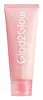
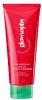
Glad2Glow Watermelon Niacinamide Low pH Cleanser Gel Versus Glowsophy Watermelon Low pH Gentle Cleanser
This mild gel cleanser is made to cleanse while respecting your skin barrier.
This mild gel cleanser is made to cleanse while calming and soothing your skin.

What's inside
What's inside
 Key Ingredients
Benefits
Concerns
Ingredients Side-by-side
Water
Skin ConditioningGlycerin
Humectant


Potassium Cocoyl Glycinate
Surfactant
Sodium Lauroamphoacetate
CleansingDecyl Glucoside
Cleansing
Acrylates/C10-30 Alkyl Acrylate Crosspolymer
Emulsion StabilisingCeramide AP
Skin Conditioning



1,2-Hexanediol
Skin Conditioning
Hydroxyacetophenone
Antioxidant
Potassium Cocoate
Emulsifying

Citric Acid
Buffering


Niacinamide
Smoothing





Trehalose
Humectant
Ceramide NP
Skin Conditioning
Histidine
Humectant
Hyaluronic Acid
Humectant
Isoleucine
Skin ConditioningProline
Skin Conditioning
Tyrosine
MaskingLysine
Skin ConditioningAlanine
Masking
Leucine
Skin ConditioningAspartic Acid
Masking
Glutamic Acid
Humectant
Serine
Masking
Sodium Hyaluronate
Humectant
Royal Jelly
Glycine
Buffering
Viola Tricolor Extract
EmollientGlycyrrhiza Inflata Root Extract
Skin Conditioning
Citrullus Lanatus Fruit Extract
Skin Conditioning
Salix Alba Bark Extract
Astringent
Scutellaria Baicalensis Root Extract
Astringent
Sophora Flavescens Root Extract
Antioxidant
Fomes Officinalis Extract
Skin ProtectingButylene Glycol
Humectant
Propanediol
Solvent
Arginine
Masking
Phenylalanine
Masking
Water, Glycerin, Potassium Cocoyl Glycinate, Sodium Lauroamphoacetate, Decyl Glucoside, Acrylates/C10-30 Alkyl Acrylate Crosspolymer, Ceramide AP, 1,2-Hexanediol, Hydroxyacetophenone, Potassium Cocoate, Citric Acid, Niacinamide, Trehalose, Ceramide NP, Histidine, Hyaluronic Acid, Isoleucine, Proline, Tyrosine, Lysine, Alanine, Leucine, Aspartic Acid, Glutamic Acid, Serine, Sodium Hyaluronate, Royal Jelly, Glycine, Viola Tricolor Extract, Glycyrrhiza Inflata Root Extract, Citrullus Lanatus Fruit Extract, Salix Alba Bark Extract, Scutellaria Baicalensis Root Extract, Sophora Flavescens Root Extract, Fomes Officinalis Extract, Butylene Glycol, Propanediol, Arginine, Phenylalanine
Water
Skin ConditioningGlycerin
Humectant
Cocamide DEA
Emulsifying
Cocamidopropyl Betaine
Cleansing
Sodium Chloride
MaskingXanthan Gum
EmulsifyingPropylene Glycol
Humectant
Benzoic Acid
Masking
Caprylyl Glycol
Emollient
Disodium EDTA
ChelatingCitric Acid
Buffering
Centella Asiatica Extract
Cleansing
Zinc PCA
Humectant
Glycyrrhiza Glabra Root Extract
Bleaching
Butylene Glycol
Humectant
1,2-Hexanediol
Skin Conditioning
Camellia Sinensis Leaf Extract
Antimicrobial
PEG-40 Hydrogenated Castor Oil
Emulsifying

Trideceth-9
EmulsifyingGlucose
Humectant
Citrullus Lanatus Fruit Extract
Skin Conditioning
Sodium Benzoate
Masking
Potassium Sorbate
Preservative
Parfum
Masking

Water, Glycerin, Cocamide DEA, Cocamidopropyl Betaine, Sodium Chloride, Xanthan Gum, Propylene Glycol, Benzoic Acid, Caprylyl Glycol, Disodium EDTA, Citric Acid, Centella Asiatica Extract, Zinc PCA, Glycyrrhiza Glabra Root Extract, Butylene Glycol, 1,2-Hexanediol, Camellia Sinensis Leaf Extract, PEG-40 Hydrogenated Castor Oil, Trideceth-9, Glucose, Citrullus Lanatus Fruit Extract, Sodium Benzoate, Potassium Sorbate, Parfum
Ingredients Explained
These ingredients are found in both products.
Ingredients higher up in an ingredient list are typically present in a larger amount.
1,2-Hexanediol is a synthetic liquid and another multi-functional powerhouse.
It is a:
- Humectant, drawing moisture into the skin
- Emollient, helping to soften skin
- Solvent, dispersing and stabilizing formulas
- Preservative booster, enhancing the antimicrobial activity of other preservatives
Butylene Glycol (or BG) is used within cosmetic products for a few different reasons:
Overall, Butylene Glycol is a safe and well-rounded ingredient that works well with other ingredients.
Though this ingredient works well with most skin types, some people with sensitive skin may experience a reaction such as allergic rashes, closed comedones, or itchiness.
Learn more about Butylene GlycolCitric Acid is an alpha hydroxy acid (AHA) naturally found in citrus fruits like oranges, lemons, and limes.
Like other AHAs, citric acid can exfoliate skin by breaking down the bonds that hold dead skin cells together. This helps reveal smoother and brighter skin underneath.
However, this exfoliating effect only happens at high concentrations (20%) which can be hard to find in cosmetic products.
Due to this, citric acid is usually included in small amounts as a pH adjuster. This helps keep products slightly more acidic and compatible with skin's natural pH.
In skincare formulas, citric acid can:
While it can provide some skin benefits, research shows lactic acid and glycolic acid are generally more effective and less irritating exfoliants.
Most citric acid used in skincare today is made by fermenting sugars (usually from molasses). This synthetic version is identical to the natural citrus form but easier to stabilize and use in formulations.
Rosacea skin has a lower threshold for acids generally, with 62.5% of rosacea subjects in one study reacting to lactic acid in a sting test. This is why we mark citric acid as a potential rosacea trigger.
However, this ingredient shows up as a pH adjuster or chelator at roughly 0.1-1% in many products. These low levels are unlikely to be an issue for rosacea skin and becomes a potential trigger at exfoliating concentrations (20%). Because everybody's skin is unique, we recommend a patch test if you are unsure.
Learn more about Citric AcidCitrullus Lanatus Fruit Extract comes from the watermelon. Watermelon has antioxidant and anti-inflammatory properties.
Watermelons are rich in antioxidants such as Vitamin A, Vitamin C and lycopene. It also contains sugars and amino acids, such as arginine and glutathione.
Lycopene is a potent antioxidant. Besides helping to protect your skin against free-radical molecules, it also helps soothe the skin. Lycopene gives watermelon the distinct red color.
Learn more about Citrullus Lanatus Fruit ExtractGlycerin (or glycerol) is a compound naturally found in your skin. It's a powerhouse humectant that pulls water into the stratum corneum.
Topically, glycerin does several things at once:
Your skin makes glycerin on its own (mostly from sebaceous oil breakdown) and shuttles it to your outermost layer of skin, or your epidermis, via aquaporin-3.
Aquaporin-3 is a transporter that is essential for normal skin hydration, elasticity, and repair. Interestingly, mice lacking in AQP3 have dry and less elastic skin that can be fully corrected with glycerin.
This ingredient is non-irritating, plays well with almost every ingredient, and works across all skin types. Typical use is anywhere between 3-10% but can go up to 79% in some leave-on products.
Just know very high concentrations (>40%) can feel tacky in low humidity.
Glycerin is the name for this ingredient in American English. British English uses Glycerol/Glycerine.
Learn more about GlycerinWater. It's the most common cosmetic ingredient of all. You'll usually see it at the top of ingredient lists, meaning that it makes up the largest part of the product.
So why is it so popular? Water most often acts as a solvent - this means that it helps dissolve other ingredients into the formulation.
You'll also recognize water as that liquid we all need to stay alive. If you see this, drink a glass of water. Remember to stay hydrated!
Learn more about Water

